
International
Mexico to give temporary visas to Central Americans to work in public works
May 23 |
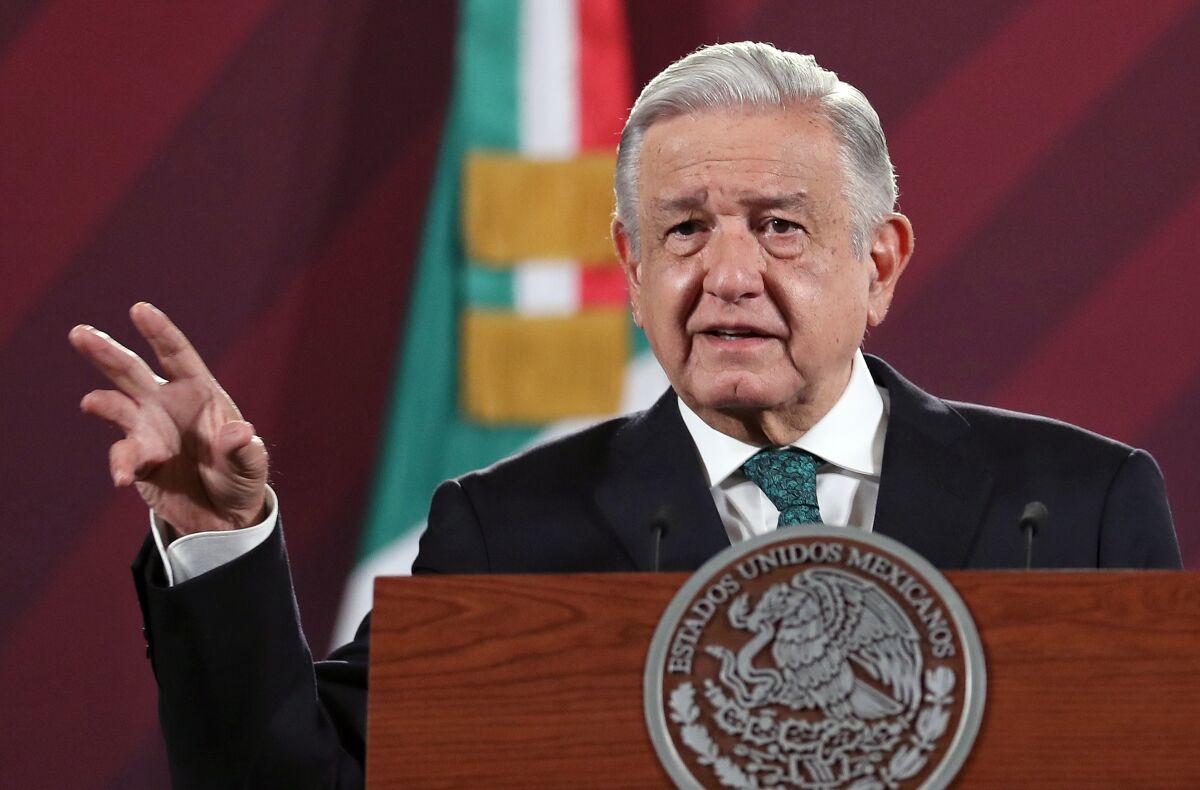
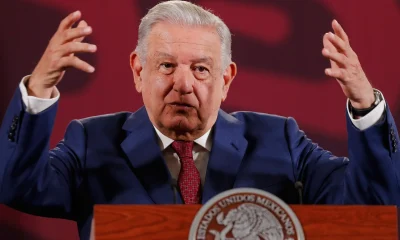
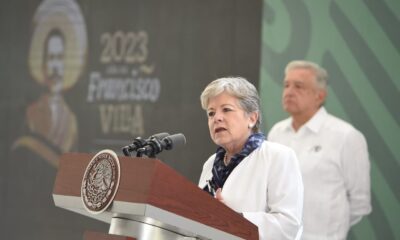
The President of Mexico, Andrés Manuel López Obrador, announced this Monday that his government will grant one-year temporary visas to Central Americans to work in the country’s public works, such as the Mayan Train, one of the most emblematic constructions of his administration.
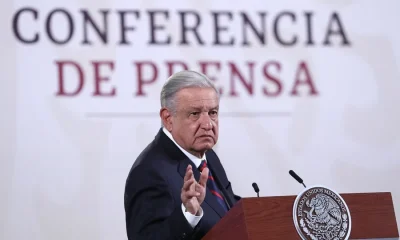
“This week I am going to present a program for our Central American brothers with the purpose that they can have temporary visas to work in public works in Mexico, that they can be legally in our country with temporary work visas,” informed the president in his daily press conference.
“Wages are also increasing in our country, in the Mayan Train operators, drivers, workers, are already earning better, because there is more demand for employment, so companies are paying more. These are attractive salaries to come, work for 15 days and return,” he explained.
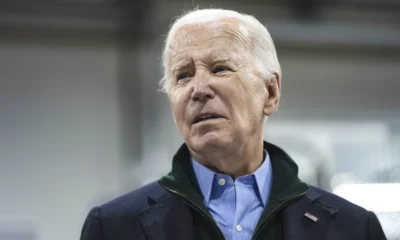
Last Saturday, López Obrador continued, he received a letter from his U.S. counterpart, Joe Biden, congratulating him for the work done on the immigration issue and expressing his commitment to invest more in Central America and the Caribbean.











“We are working together,” the Mexican president assured about this type of immigration policies, which he said still need to be “fine-tuned”.
“It is not right to be rejecting migrants when there is a need for labor force. If not, how will there be growth? There are places in the United States where there are no workers,” he added.
López Obrador admitted that the public works promoted during his six-year term, among which the Mayan Train and the inter-oceanic corridor of the Isthmus of Tehuantepec stand out, are also in need of labor.
“We need many ironworkers, welders, even engineers, professionals,” he stressed.
For the Mayan Train, which will run through the southern region of Mexico and is scheduled to be inaugurated next December, he added that the government is sending drivers or mechanics to Europe for training.
The public works, which López Obrador has turned into the flagship projects of his Administration, have been surrounded by controversy due to the role of the Armed Forces in their construction and management, framed in a series of strategies that have boosted the militarization of the country.
The environmental impact and the impact on the indigenous communities that the Mayan Train will have has also been criticized, effects that the Government has denied.
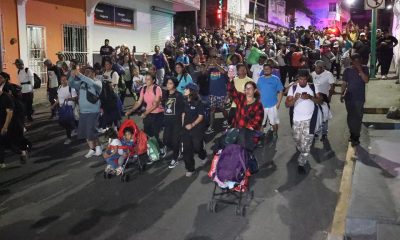
Regarding potential workers coming from Central American countries such as Guatemala, Honduras, El Salvador and Nicaragua, from where many migrants arrive to Mexico in search of crossing to the United States, López Obrador did not clarify the procedure they will have to follow to obtain a temporary work visa.


















































International
U.S. Revokes Nearly 900 Visas in Crackdown on ‘Birth Tourism’
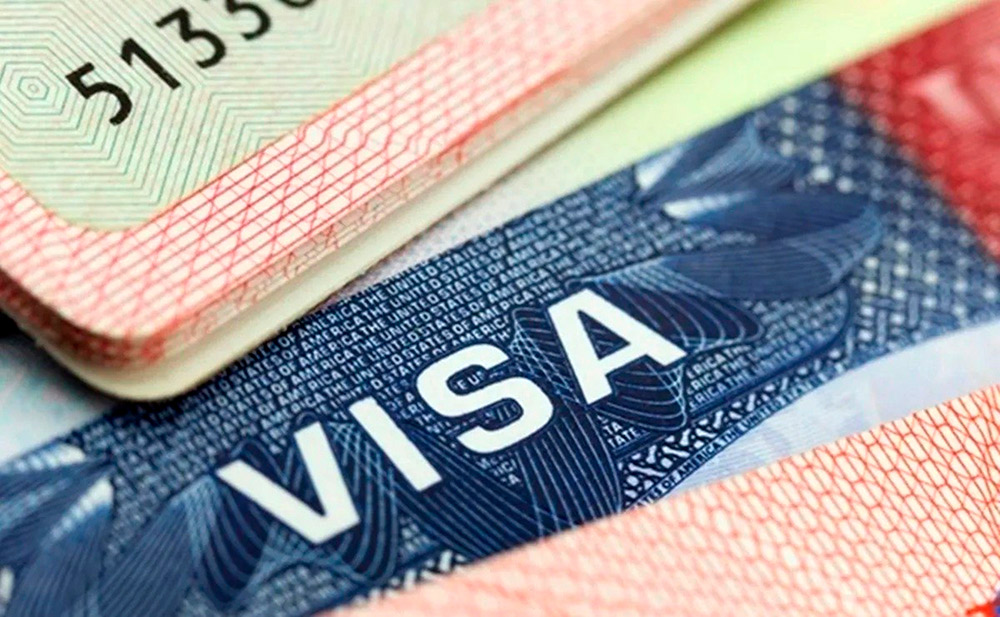
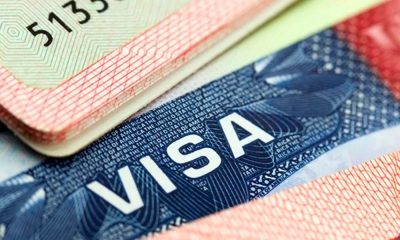
The United States has revoked nearly 900 temporary visas as part of measures promoted by President Donald Trump’s administration against so-called “birth tourism,” State Department spokesperson Tommy Pigott said.
“Nearly 900 visas have already been revoked just since this task force was established. And that is in addition to the actions we have taken since the beginning of this administration to dismantle birth tourism networks around the world,” Pigott said in an interview with Newsmax.
The visa revocations are the result of coordinated efforts between the State Department and the Department of Homeland Security (DHS) to identify people who allegedly use tourist visas to enter the United States with the intention of giving birth there.
The measures are part of Trump’s broader immigration policies. In January, the president signed an executive order describing birth tourism as a practice that undermines the integrity of the U.S. immigration system in an effort to obtain what the administration considers permanent immigration benefits.
The directive stated that some people enter the country through temporary visas issued for tourism, education, cultural exchanges or temporary employment, and later seek to benefit from the U.S. citizenship their children acquire by being born on American soil.
Trump targets birthright citizenship
The latest actions are also part of Trump’s broader efforts to restrict birthright citizenship in the United States.
The country has traditionally followed the principle of jus soli, under which citizenship is generally granted based on birth within U.S. territory, rather than solely on parental nationality, as is the case in other legal systems.
The administrative measures come after the U.S. Supreme Court blocked Trump’s attempt to end birthright citizenship through executive action, ruling that the policy raised constitutional issues involving the Fourteenth Amendment.
The visa crackdown represents another step by the administration to target practices it associates with the use of temporary immigration permits to obtain long-term immigration benefits.
International
Sinaloa Governor Returns to Office Amid Political Backlash and Cartel Allegations
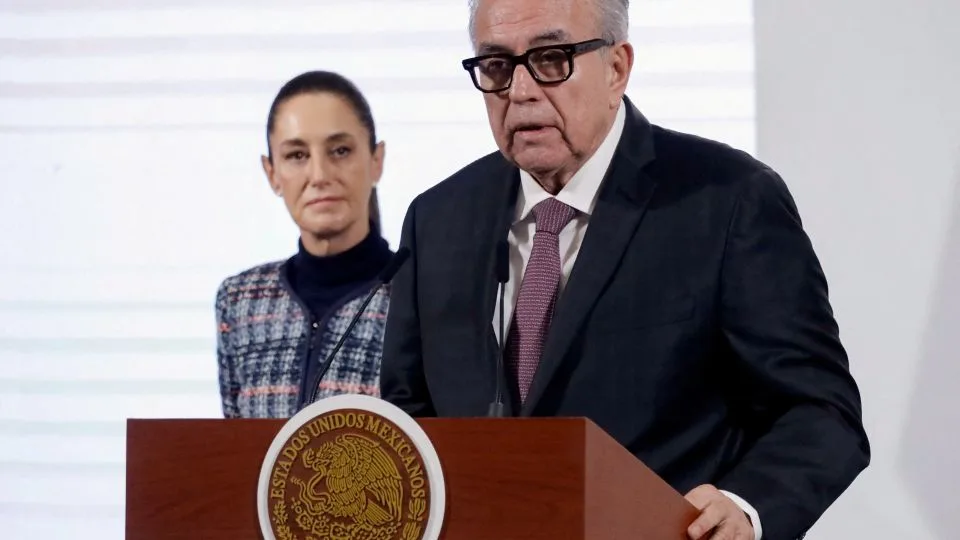
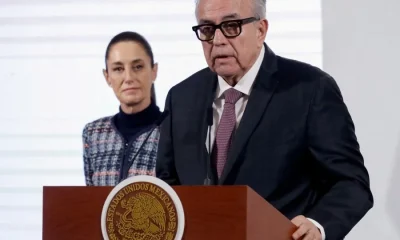
Sinaloa Governor Rubén Rocha Moya returned to office on Friday after taking more than three months of leave while facing an investigation into allegations by the U.S. government that he has ties to the Sinaloa Cartel. Rocha has denied the accusations.
His return has drawn criticism from Mexico’s federal government and the ruling Morena party, which have accused the governor of putting personal interests ahead of the public good.
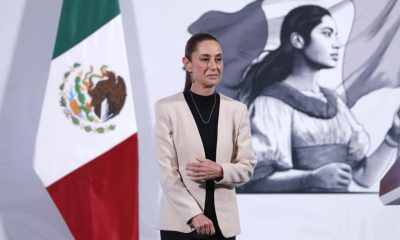
Although she did not mention Rocha by name, Mexican President Claudia Sheinbaum addressed the situation Saturday in a post on X, warning about the dangers of placing personal ambitions above the interests of the country.
“Power without principles becomes arrogance,” Sheinbaum wrote.
The president stressed that no personal interest should take precedence over the interests of the Mexican people and the nation, particularly when the objective is not public well-being but the pursuit of power for its own sake.
“Mexico deserves public servants who understand that positions are temporary, but responsibility before the nation is eternal,” Sheinbaum said.
She added that public officials should prioritize the dignity, future and hopes of the Mexican people over individual names, political groups or personal interests.
Later Saturday, while attending the inauguration of new agricultural services facilities in Mexico City, Sheinbaum told reporters that she learned of Rocha’s return through the governor’s social media post.
The president said she would provide further comments on the matter during her daily press conference on Monday.
International
Pilot killed and two Pennsylvania state troopers injured in mid-air collision

A pilot was killed and two Pennsylvania state police officers were injured when a Cessna 150 airplane collided with the helicopter they were traveling in during a routine training exercise at a regional airport in the state.
Pennsylvania Governor Josh Shapiro identified the officers as Corporal Bryce Corman and Trooper Jason Mills, members of the Pennsylvania State Police aviation unit. Both are expected to recover from their injuries, according to ABC.
The county coroner’s office identified the pilot as 57-year-old Paul Sokoloski.
George Bivens, acting commissioner of the Pennsylvania State Police, said the collision occurred at around 6:50 p.m. Wednesday. The helicopter was flying several feet above a grassy area near a runway at Carlisle Regional Airport when the small plane approached from behind.
According to investigators, the Cessna suddenly veered to the right moments before the collision, striking the helicopter’s tail rotor before also hitting its main rotor.
The airplane crashed a short distance away and broke into several pieces, while the helicopter lost its tail and other components before crashing on its side.
Police said Corporal Corman opened a window and helped Trooper Mills escape from the helicopter because they feared the aircraft could catch fire.
The Federal Aviation Administration and the National Transportation Safety Board are investigating the circumstances surrounding the crash.


U.S. Revokes Nearly 900 Visas in Crackdown on ‘Birth Tourism’

Sinaloa Governor Returns to Office Amid Political Backlash and Cartel Allegations

Panama’s Geisha Coffee Retains Pure Ethiopian Genetics, Studies Find

Pilot killed and two Pennsylvania state troopers injured in mid-air collision

Argentina’s Milei Links Low Birth Rates to Abortion and Feminism

Virginia Police Arrest Salvadoran Man in Great Falls Woman’s Killing

Honduran Lawyer and Protected Witness in Angie Peña Case Shot Dead

Mexico and Guatemala Agree on Five-Point Binational Plan for 2027
Honduran Lawyer and Protected Witness in Angie Peña Case Shot Dead
Virginia Police Arrest Salvadoran Man in Great Falls Woman’s Killing
Argentina’s Milei Links Low Birth Rates to Abortion and Feminism
Pilot killed and two Pennsylvania state troopers injured in mid-air collision
U.S. Revokes Nearly 900 Visas in Crackdown on ‘Birth Tourism’
Panama’s Geisha Coffee Retains Pure Ethiopian Genetics, Studies Find
Sinaloa Governor Returns to Office Amid Political Backlash and Cartel Allegations
-
 Central America4 days ago
Honduran Lawyer and Protected Witness in Angie Peña Case Shot Dead
-
 International4 days ago
Virginia Police Arrest Salvadoran Man in Great Falls Woman’s Killing
-
 International4 days ago
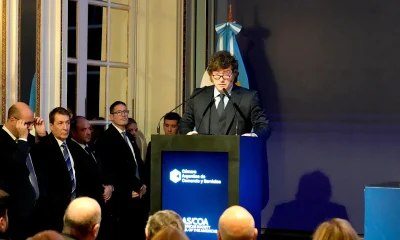
Argentina’s Milei Links Low Birth Rates to Abortion and Feminism
-
 International4 days ago
Pilot killed and two Pennsylvania state troopers injured in mid-air collision
-
 International20 hours ago
U.S. Revokes Nearly 900 Visas in Crackdown on ‘Birth Tourism’
-
 Central America4 days ago
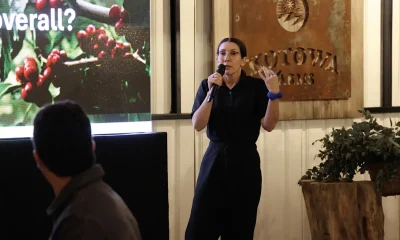
Panama’s Geisha Coffee Retains Pure Ethiopian Genetics, Studies Find
-
 International1 day ago
Sinaloa Governor Returns to Office Amid Political Backlash and Cartel Allegations