International
Guterres talks to Maduro and expresses his concern about post-electoral violence
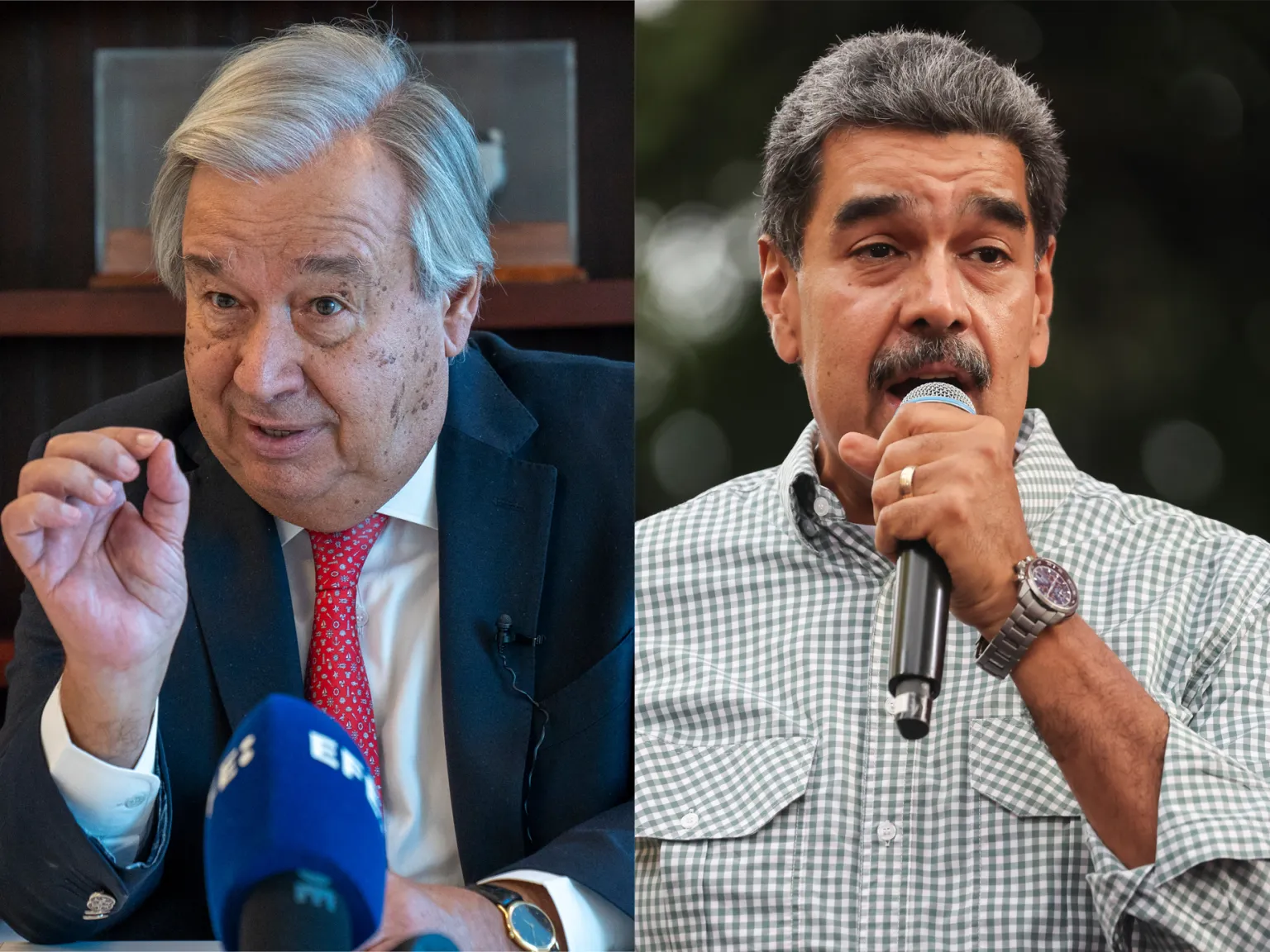
The President of Venezuela, Nicolás Maduro, spoke this Friday by phone with the Secretary General of the UN, António Guterres, who expressed “his concern about post-electoral violence and accusations of human rights violations” in the Caribbean country.
The call was initiated by the Venezuelan president, Guterres’ spokesman, Stéphane Dujarric, specified in his daily press conference.
In that call, Guterres insisted to Maduro that it is necessary to “resolve any political dispute peacefully through a genuine and inclusive dialogue.”
Maduro’s response to Guterres is not known
The spokesman did not explain what was the message that Maduro transmitted, but said that he “spoke very clearly and frankly about how he sees the situation,” before which Guterrres “took note.”
In previous pronouncements, Guterres has demanded that Venezuela communicate the detailed results of the electoral minutes of the July 28 elections, which has not happened, and has regretted the lack of transparency of the Venezuelan authorities.









However, he has also recently said that the economic sanctions imposed by the United States “do not help” to resolve the situation.
Despite those words, Venezuelan Foreign Minister Yván Gil criticized Guterres last week and said that the UN Secretary General “avoids condemning the application of unilateral coercive measures (and) sides with those who sanction illegally. It is an affront to the mandate that the States have given him, all to defend the aggressors of Venezuela,” Gil said.
Asked a few days ago about whether the electoral conflict will affect Venezuela’s recognition before the UN – since Maduro and Edmundo González are fighting for victory in the elections – Dujarric clarified that the representation of the States is the responsibility of the other member states and not the secretary general.






International
FBI Says It Disrupted Alleged Plot Targeting White House During UFC Event
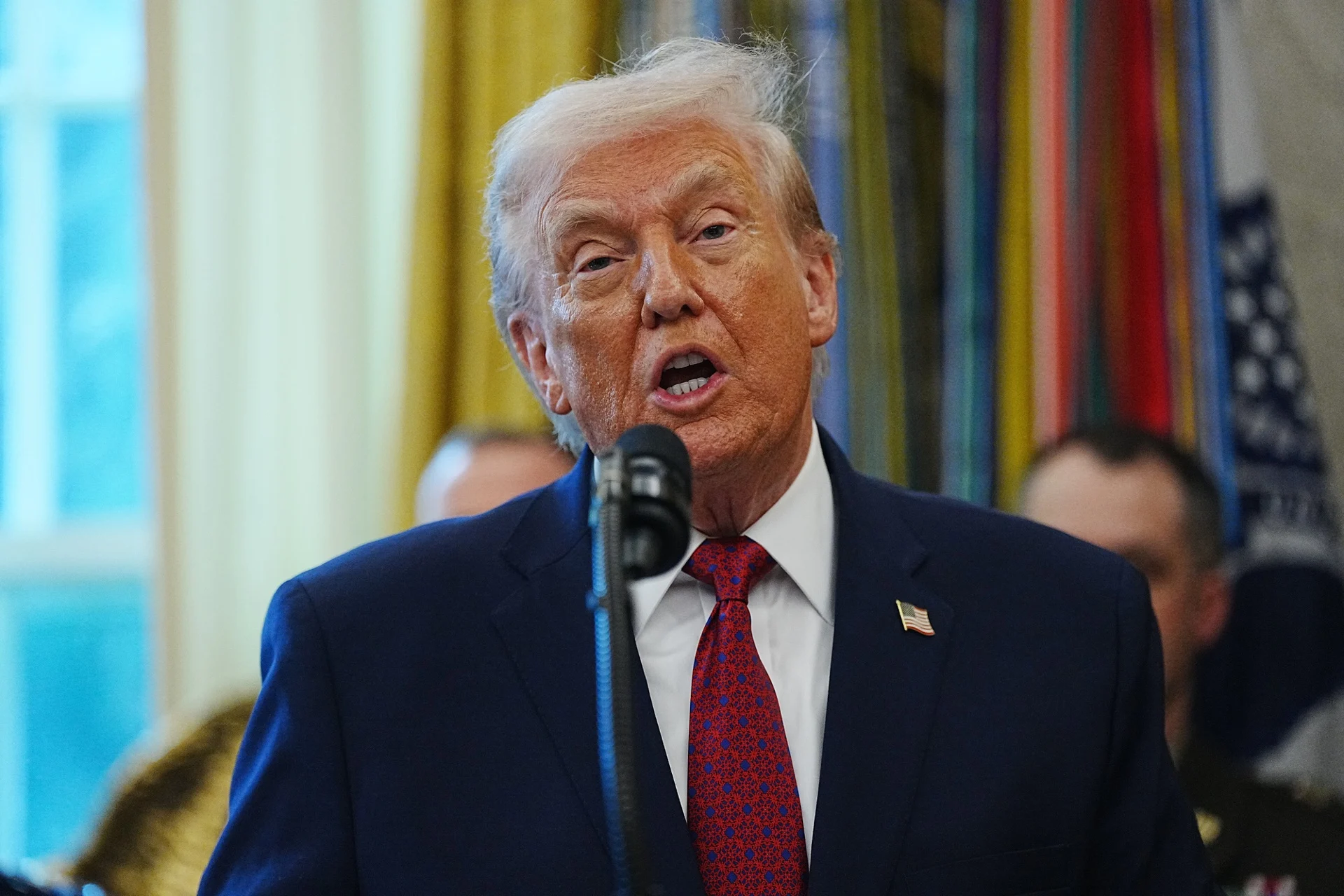
The Federal Bureau of Investigation (FBI) announced Tuesday that it had disrupted an alleged plot to attack the White House during a major Ultimate Fighting Championship (UFC) event held in Washington over the weekend.
FBI Director Kash Patel said the threat was identified on June 10 through a joint investigation involving multiple law enforcement agencies. According to Patel, swift action by authorities led to the arrest of several suspects before the alleged plan could be carried out.
“On June 10, the FBI and our law enforcement partners became aware of a potential threat targeting UFC America 250 in Washington. Thanks to the rapid response of the FBI and our partners, multiple individuals are now in custody, and the alleged attack plans were stopped before they could be executed,” Patel said.
He emphasized that the operation demonstrated the ability of security agencies to detect and prevent potential threats at large public gatherings. Patel added that the investigation remains ongoing and that additional details will be released as court proceedings move forward.
According to reports from U.S. media outlets, five individuals have been arrested so far. The suspects were identified as Tycen Proper of Ohio, Daniel Eskridge of Missouri, Abraham Hermosillo Álvarez of Nebraska, and Bryan Omar Roa and Michael Alan Thomas, both from California. Authorities are also investigating the possible involvement of 18 additional individuals.
Investigators allege that the plot involved the use of drones equipped with explosives to target buildings near the sporting event. The plan reportedly sought to trigger a mass evacuation and direct attendees toward areas where snipers were allegedly positioned. Authorities further claim that a second phase of the operation included an attempted assault on the White House.
The U.S. Secret Service confirmed that it worked closely with the FBI throughout the operation. Secret Service Director Sean Curran stated that security teams conducted extensive efforts to identify those involved and eliminate any threat to attendees and protected facilities.
The investigation reportedly uncovered communications conducted through the messaging application Signal, where several suspects allegedly discussed details related to the planned attack. A forensic analysis of one of the seized mobile phones revealed at least 23 users participating in conversations connected to the alleged planning activities.
Court documents also indicate that some of the suspects allegedly intended to target U.S. political figures. Among the reported targets were members of Congress who had received contributions from the American Israel Public Affairs Committee (AIPAC). Investigators further stated that one of the primary suspects had posted antisemitic messages and expressions of support for Adolf Hitler on social media, evidence that is now part of the ongoing judicial investigation.
International
Brazil helicopter crash in Rio de Janeiro kills six, including pilots and international figures
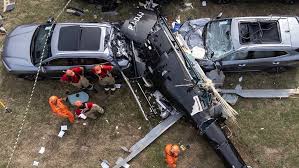
The Rio de Janeiro Civil Police confirmed on Monday the identities of three of the six victims killed in a helicopter collision that occurred the previous morning in the Recreio dos Bandeirantes neighborhood.
All three identified victims are Brazilian nationals: the pilots of the aircraft, Charles Marsillac and Alexandre Souza, and music producer Lucas Brito.
The identities of the three foreign victims have not yet been officially confirmed. They include U.S. singer Oliver Tree, Argentine YouTuber Gaspar Prim—known online as “Gaspi”—and Argentine producer Lucas Vignale, all of whom were listed on the flight manifest.
According to police, forensic experts from the Legal Medical Institute have already collected DNA samples in order to identify the foreign victims, whose bodies were severely burned.
One of the helicopters crashed into a private parking lot, triggering a fire that destroyed around twenty electric vehicles. That aircraft was carrying the pilot and four passengers, including the three foreign nationals.
The second helicopter, which had only the pilot on board, crashed approximately 100 meters away from the first impact site.
Rio de Janeiro’s deputy mayor, Eduardo Cavaliere, stated that both helicopters were operating transport flights toward Angra dos Reis on the Rio coastline and toward the mountainous region of the state.
Oliver Tree, 32, was in Brazil as part of an international tour. The artist, known for songs such as “Life Goes On” and “Miss You,” had performed to a large audience in São Paulo a week earlier and was scheduled to continue his tour in Europe.
Argentine content creator Gaspar Prim, 23, had built a following of more than two million on social media platforms, gaining popularity for humorous and often controversial video productions that had occasionally been removed by hosting platforms.
International
Mexico and U.S. Launch New Bilateral Security Group to Combat Fentanyl and Organized Crime
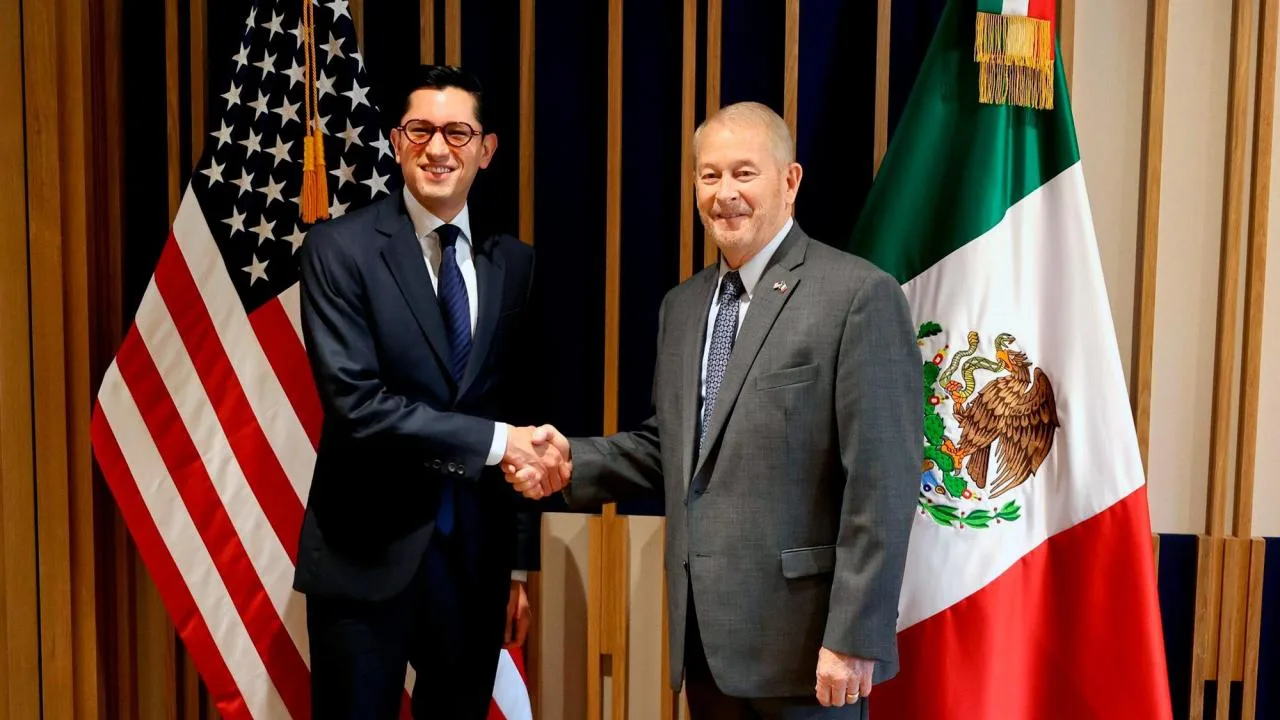
The governments of Mexico and the United States officially launched the Bilateral Implementation Group (BIG) on Friday, a new initiative aimed at strengthening cooperation on security issues and enhancing joint efforts against transnational crime.
In a statement, U.S. Ambassador to Mexico Ronald Johnson announced that he and Deputy Foreign Minister Roberto Velasco addressed officials from both countries who will lead what he described as a “new phase of bilateral cooperation.” The initiative seeks to curb the flow of fentanyl and other illicit drugs, illegal firearms, and human trafficking across the shared border.
Earlier this week, Mexico’s Ministry of Foreign Affairs had confirmed that senior security officials from both nations would meet in Mexico City on June 12 to review and advance existing cooperation agreements.
Through social media, Ambassador Johnson explained that the new bilateral group is designed to improve coordination between the two governments by placing greater emphasis on implementation, accountability, and measurable results. The effort will also focus on combating transnational criminal organizations operating across North America.
“The participation of 15 U.S. government agencies, working alongside their Mexican counterparts, reflects the seriousness of this effort and our shared commitment to delivering measurable results,” Johnson said.
The ambassador also highlighted several achievements that he attributed to ongoing bilateral cooperation. According to Johnson, maritime drug trafficking into the United States has declined by more than 95 percent, while overdose deaths have fallen by 35 percent.
He further noted that Mexican authorities have seized more than 400 metric tons of illegal drugs and dismantled over 2,300 clandestine laboratories as part of their efforts to combat organized crime and narcotics production.
The launch of the Bilateral Implementation Group marks the latest step in the security partnership between Mexico and the United States, as both countries seek to address shared challenges related to drug trafficking, arms smuggling, human trafficking, and the activities of criminal networks operating across the region.

Costa Rican President Presents Security Reform Package to Fight Crime and Strengthen Prisons

FBI Says It Disrupted Alleged Plot Targeting White House During UFC Event

Nicaraguan media publishes photos of detained Indigenous leader amid calls for proof of life
Tec de Monterrey honors one of its students for his contribution to nanotechnology in medicine

Defense Minister commends salvadoran soldier for Central American Cross Country victory