
Central America
Panamanian fishermen donate 2 tons of fish to isolated indigenous people

The fishermen distributed two tons of fish among poor communities of Panama, in solidarity with the families of isolated indigenous people who have been left without food due to the pandemic.
“This is a blessing “says Rubiela Urrutia, indigenous woman of the Guna ethnic group as she receives the bag with a few pounds of fish in this community that has been isolated day to day from the Central American isthmus.
In Panama 146 people have died and more than 5,000 are infected with the covid-19, so authorities have implemented a quarantine in which men and women go out on different days and only for two hours. For the weekend, a mandatory total quarantine has been implemented for all citizens.










Central America
Bukele Announces Education Investment Exceeding 8% of El Salvador’s GDP
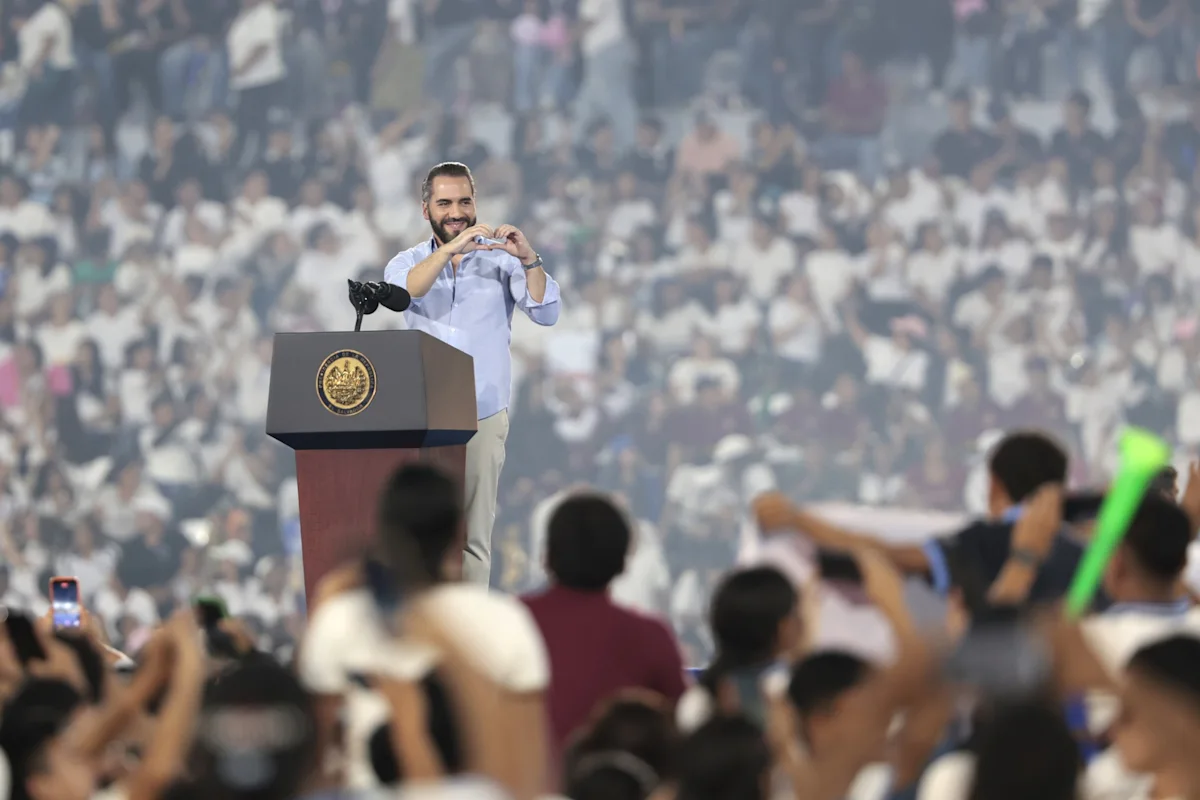
El Salvador will increase its annual investment in education to more than $3 billion, equivalent to over 8% of gross domestic product (GDP), President Nayib Bukele announced Sunday.
“We are going to increase investment to more than $3 billion a year, which is three times what previous governments invested, equivalent to more than 8% of GDP,” Bukele said while addressing approximately 30,000 public school students.
The president said the increase would make El Salvador the Latin American country that allocates the largest share of its economy to education. The government’s education budget for this year stands at $1.683 billion.
Bukele made the announcement at the Jorge “Mágico” González National Stadium in San Salvador, where thousands of students gathered for an event focused on educational opportunities.
The president also announced that a university scholarship program will provide financial support to approximately 50,000 students this year. The initiative will receive $100 million in financing from the Inter-American Development Bank (IDB) through an agreement intended to ensure that the program does not depend solely on a particular government or annual budget.











“These 50,000 scholarships are only for this year; next year there will be more, and more after that, until all Salvadoran young people have the opportunity to study,” Bukele said.
The president did not provide details on the total cost of the scholarship program or specify what portion of the education budget it will represent.
The planned increase would represent a significant expansion from the current education allocation and is part of the government’s strategy to increase access to higher education for young Salvadorans.
Central America
Panama’s Geisha Coffee Retains Pure Ethiopian Genetics, Studies Find
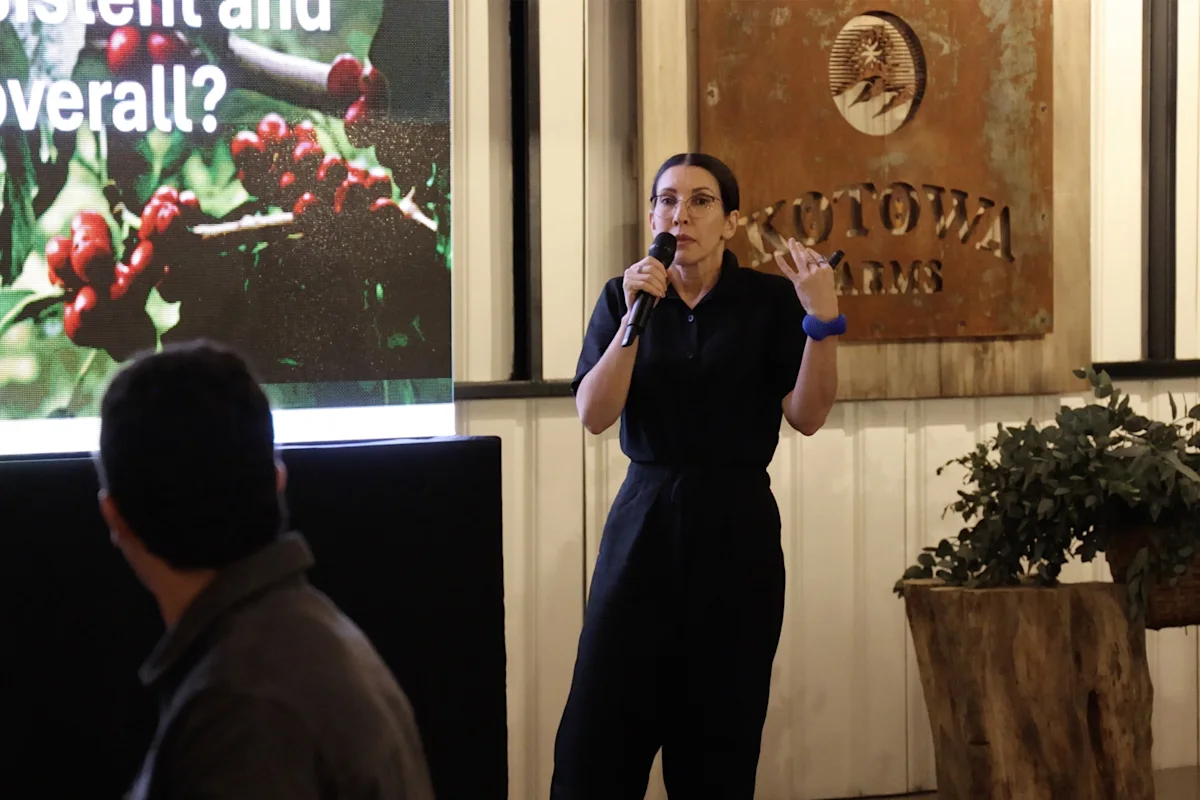
Panama’s exclusive Geisha coffee variety retains the full genetic purity of its Ethiopian ancestors and preserves a distinctive sensory profile, according to two studies presented by the Specialty Coffee Association of Panama (SCAP).
“Ensuring that the genetics we have in Panama remain 100% pure is vital for the country’s future,” Ricardo Koyner, president of Panama’s specialty coffee association, told EFE.
Panamanian Geisha coffee has gained international fame after breaking price records at global auctions. In the latest auction, a kilogram sold for more than $30,000.
The variety is highly sought after, particularly in Asian markets, for its complex flavor, which differs from traditional strong coffee, as well as its distinctive floral aroma.
Studies confirm genetic purity and unique flavor
A genetic analysis conducted in France found that Geisha coffee trees grown in Panama retain the same genetic lineage as the original plants from Ethiopia. Those plants are preserved at the Tropical Agricultural Research and Higher Education Center (CATIE) in Costa Rica, through which the coffee variety reached Panama.
“We compared Panama’s Geisha with the original Geisha from CATIE, which is the ancestral reference. The genetics are exactly the same,” explained Christophe Montagnon, director of the study.
According to Montagnon, the findings indicate that Panama has preserved the genetic heritage of the variety over the years.
A second study focused on the sensory characteristics of Panamanian Geisha coffee and identified a distinctive note of white flowers or jasmine, described as particularly sweet and similar to the sensation of drinking jasmine tea.
Fabiana Carvalho, a flavor neuroscientist at the University of Campinas in Brazil, said the characteristic is highly valued in the international specialty coffee market.
“Coffees from Panama that have these sensory markers will be perceived, and already are perceived, as authentic. The final consumer, the coffee drinker, is willing to pay more,” said Carvalho, who led the study aimed at identifying the flavor markers that distinguish Panamanian coffee.
The findings reinforce the reputation of Panama’s Geisha coffee as one of the world’s most distinctive and valuable specialty coffees.
Central America
Honduran Lawyer and Protected Witness in Angie Peña Case Shot Dead

Honduran lawyer and former judicial official Dereck McField was shot and killed on Monday morning, according to local media reports.
The attack took place in the street as McField was returning home after dropping off his young son at school, Honduran outlet HCH reported.
The killing sparked widespread concern after Honduras President Nasry Asfura later confirmed that McField was a protected witness in the case of Angie Peña, a Honduran university student who disappeared on January 1, 2022, while riding a jet ski on an island.
Authorities suspect Peña was trafficked to a criminal network for sexual exploitation. Her jet ski, life jacket and other belongings were found days later on a cay in Belize.
Four men — three Americans and one Honduran — have been charged in connection with the case and remain in pretrial detention as proceedings continue.
At the start of the judicial process in 2024, authorities said they had evidence indicating that Harold Green allegedly sold Peña to William James Murdock for money. Prosecutors said the case included phone records, videos, photographs and witness testimony.
Search operations have been carried out since then in an effort to locate Peña, but she has not been found. Authorities have said they continue to hope that she is alive.
The three U.S. defendants live in Honduras and have tourism-related investments in Roatán.
McField’s killing raises new questions about the safety of witnesses involved in the high-profile case and comes as authorities continue investigating Peña’s disappearance.

Bukele Announces Education Investment Exceeding 8% of El Salvador’s GDP

Iran Faces Mounting Economic Pressure as US Prepares ‘Toughest Sanctions in History’

U.S. Revokes Nearly 900 Visas in Crackdown on ‘Birth Tourism’

Sinaloa Governor Returns to Office Amid Political Backlash and Cartel Allegations

Panama’s Geisha Coffee Retains Pure Ethiopian Genetics, Studies Find

Pilot killed and two Pennsylvania state troopers injured in mid-air collision

Argentina’s Milei Links Low Birth Rates to Abortion and Feminism

Virginia Police Arrest Salvadoran Man in Great Falls Woman’s Killing

Honduran Lawyer and Protected Witness in Angie Peña Case Shot Dead
Virginia Police Arrest Salvadoran Man in Great Falls Woman’s Killing
Argentina’s Milei Links Low Birth Rates to Abortion and Feminism
U.S. Revokes Nearly 900 Visas in Crackdown on ‘Birth Tourism’
Pilot killed and two Pennsylvania state troopers injured in mid-air collision
Panama’s Geisha Coffee Retains Pure Ethiopian Genetics, Studies Find
Sinaloa Governor Returns to Office Amid Political Backlash and Cartel Allegations
Bukele Announces Education Investment Exceeding 8% of El Salvador’s GDP
-
 Central America5 days ago
Honduran Lawyer and Protected Witness in Angie Peña Case Shot Dead
-
 International5 days ago
Virginia Police Arrest Salvadoran Man in Great Falls Woman’s Killing
-
 International4 days ago
Argentina’s Milei Links Low Birth Rates to Abortion and Feminism
-
 International1 day ago
U.S. Revokes Nearly 900 Visas in Crackdown on ‘Birth Tourism’
-
 International4 days ago
Pilot killed and two Pennsylvania state troopers injured in mid-air collision
-
 Central America4 days ago
Panama’s Geisha Coffee Retains Pure Ethiopian Genetics, Studies Find
-
 International2 days ago
Sinaloa Governor Returns to Office Amid Political Backlash and Cartel Allegations
-
 Central America3 hours ago
Bukele Announces Education Investment Exceeding 8% of El Salvador’s GDP
-
 International3 hours ago
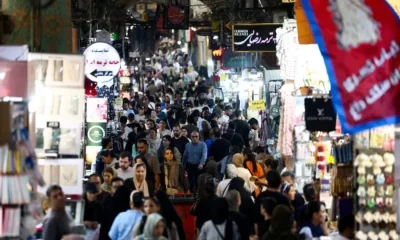
Iran Faces Mounting Economic Pressure as US Prepares ‘Toughest Sanctions in History’