
International
Up to five substitutions allowed in Football matches postponed by the COVID-19

The International Football Association Board agreed on allowing clubs to perform two additional substitutions per game, when tournaments resume.
Leagues that usually end in May are getting ready to resume their activities and face a tight schedule between the months of July and August, in order to complete the season.
Tournaments may now authorize clubs to make a maximum of five changes in 90-minute matches and a sixth if the match extends into overtime, however, teams will only be allowed to stop actions on three occasions.






International
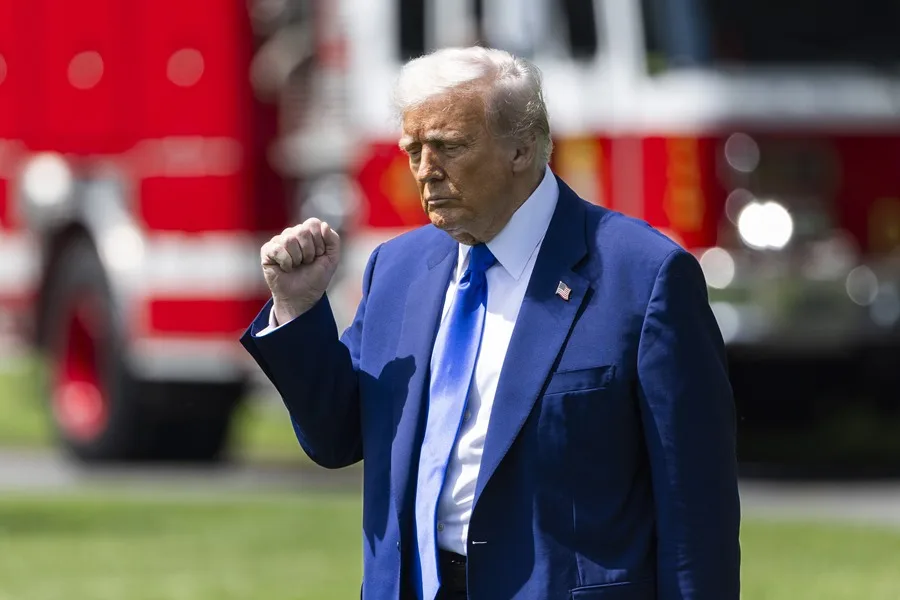
Former Trump allies call for removal, cite 25th Amendment amid Iran threats







International
Trump pauses strikes on Iran, extends ultimatum by two weeks
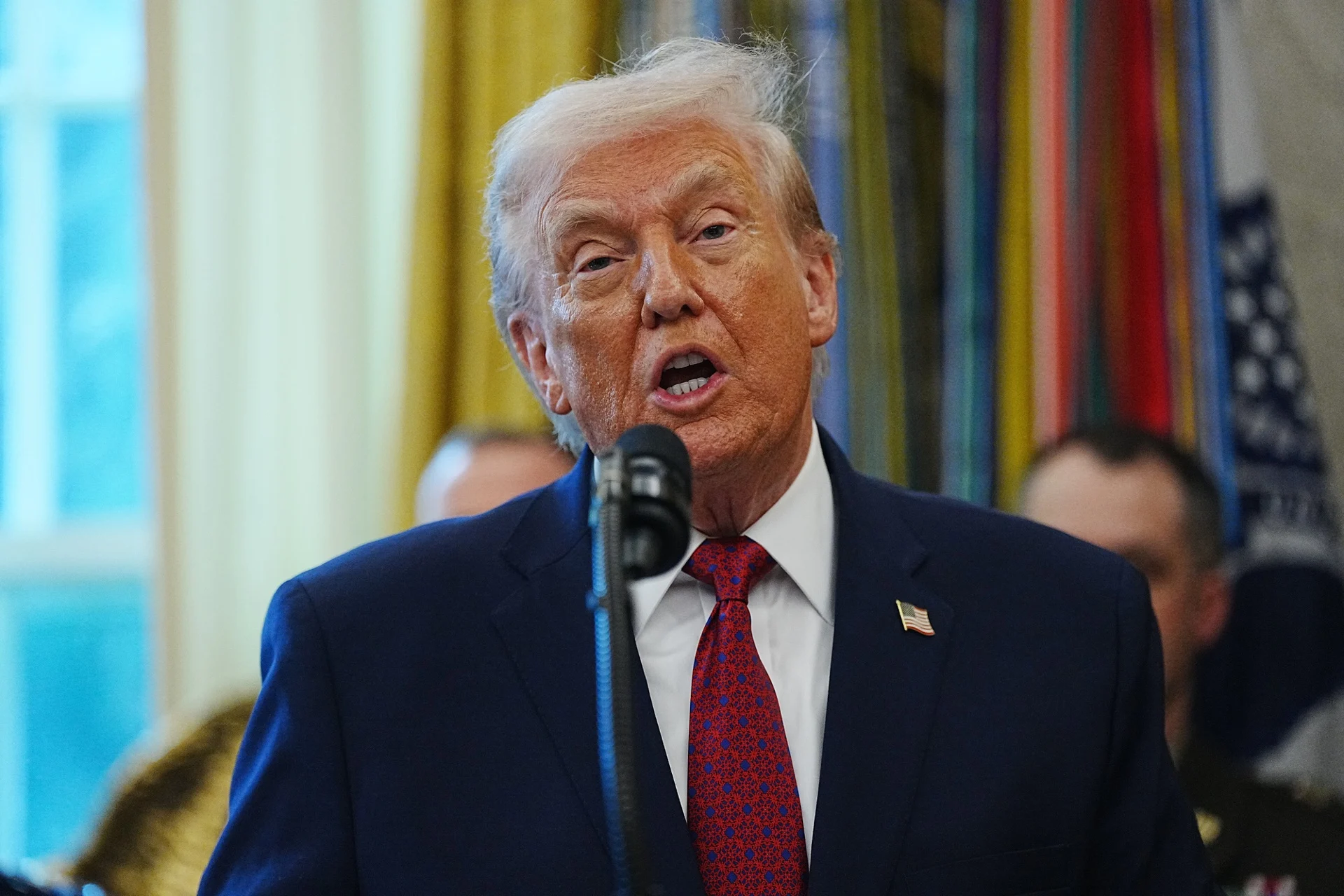
The president of the United States, Donald Trump, announced a temporary suspension of attacks against Iran for a period of two weeks, extending the ultimatum he had imposed on Tehran just hours before its deadline.
According to the president, the measure is conditional on Iran allowing the “full, immediate, and secure” reopening of the Strait of Hormuz. Trump stated that the decision would involve a reciprocal ceasefire between both parties.
The announcement was made through a message on his social media platform, where he emphasized that the pause in military actions is intended to create space for de-escalation in the region.
He also noted that the decision followed a conversation with the prime minister of Pakistan, Shehbaz Sharif, who requested a two-week extension of the ultimatum.
The move comes amid heightened global tensions, marked by escalating threats and concerns over the potential impact of the conflict on key international energy trade routes.


International
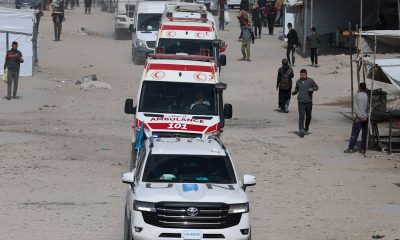
WHO worker killed as Israeli forces fire on Gaza medical convoy
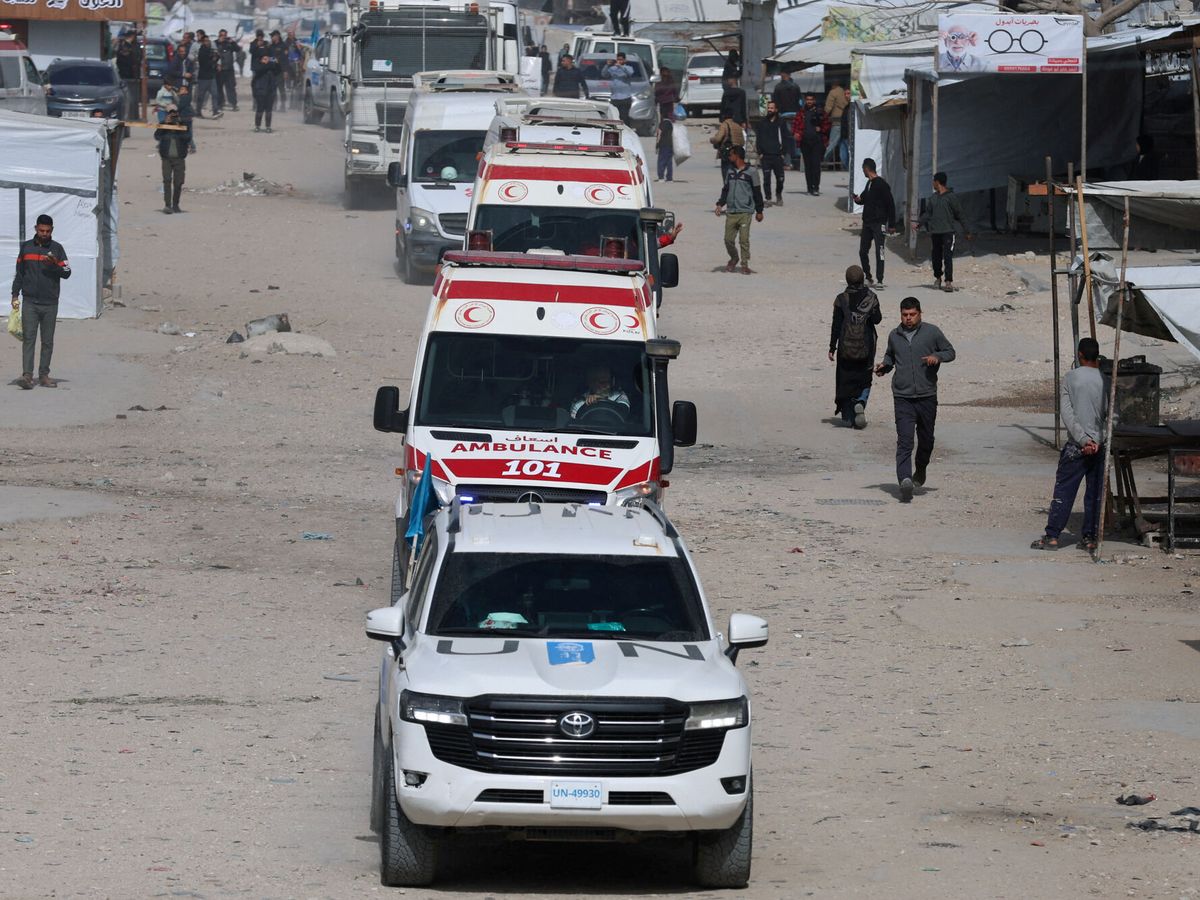
An employee of the World Health Organization (WHO) was killed on Monday in Gaza Strip after Israeli forces opened fire on a medical convoy transporting patients for evacuation, according to witnesses and official accounts.
The Israel Defense Forces (IDF) said the vehicle approached troops in a “threatening manner,” alleging that the driver accelerated toward soldiers despite warning shots. “The troops fired warning shots. The vehicle continued advancing, and additional fire was directed at it,” the military said in a statement.
The army also claimed the vehicle lacked clear markings and was therefore treated as a potential threat.
However, survivors disputed that account. Raed Aslan, a passenger in the convoy, told reporters in Khan Younis that the vehicles were clearly marked with WHO insignia. “The vehicle was clearly identified as belonging to the WHO,” he said, adding that an Israeli tank blocked the road and fired at the driver despite the route being empty.
The convoy was transporting patients to the Rafah crossing, the only exit point available for medical evacuations abroad, as Israel does not permit transfers to Jerusalem or the West Bank.
The incident adds to a series of controversial cases involving Israeli military actions against humanitarian convoys. In April 2024, seven workers from World Central Kitchen were killed in an Israeli strike in Deir al-Balah. The military initially cited a “misidentification,” despite the vehicles being clearly marked.
Similarly, in March 2025, 15 paramedics, rescuers, and a UN worker were killed near Rafah. Israeli authorities first claimed emergency lights were off, but video evidence later contradicted that assertion.
A subsequent investigation by organizations including Forensic Architecture found that Israeli forces fired hundreds of rounds at the convoy, and that the vehicles were later destroyed and buried along with the bodies before being recovered days later.
The latest incident is likely to intensify scrutiny over the conduct of military operations in Gaza, particularly regarding the safety of humanitarian personnel and medical evacuations.

Former Trump allies call for removal, cite 25th Amendment amid Iran threats

Trump pauses strikes on Iran, extends ultimatum by two weeks

Honduras coffee exports jump nearly 30% in March despite price drop
Tec de Monterrey honors one of its students for his contribution to nanotechnology in medicine

Defense Minister commends salvadoran soldier for Central American Cross Country victory

Extension of the state of emergency approved in southern Chile
-

 Central America1 day ago
Guatemala extends state of prevention and expands it to new regions
-
 Internacionales5 days ago
Ecuador extends state of emergency amid escalating violence and crime crackdown
-

 International5 days ago
Devotees in Philippines mark Holy Week with extreme rituals despite rising costs
-

 International4 days ago
Le pape Léon XIV appelle à relancer le dialogue pour une paix au Moyen-Orient
-

 International1 day ago
NASA’s Orion sets record as farthest crewed mission from Earth
-
 Central America1 day ago
Honduras coffee exports jump nearly 30% in March despite price drop
-
 International9 hours ago
Trump pauses strikes on Iran, extends ultimatum by two weeks
-
 International4 days ago
Mexico leads global cases of enforced disappearances, UN report finds
-
 International9 hours ago
Former Trump allies call for removal, cite 25th Amendment amid Iran threats
-
 International1 day ago
WHO worker killed as Israeli forces fire on Gaza medical convoy
-

 Central America3 days ago
Costa Rica urges China to halt actions against Panama-flagged vessels
-
 International3 days ago
Petro accuses top guerrilla leader of bribing officers to evade military strikes