
International
47 charged in Minnesota in $240 mn Covid fraud scheme
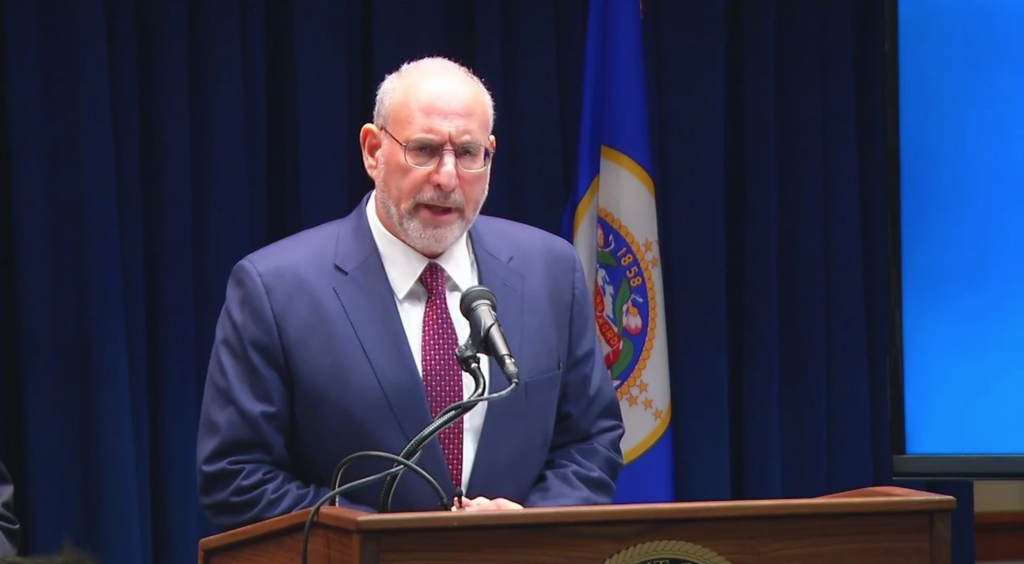
Photo: FBI
AFP
Forty-seven people in the northern US state of Minnesota have been charged in connection with a $240 million Covid relief fraud scheme, officials said Tuesday.
“Today’s indictments describe an egregious plot to steal public funds meant to care for children in need in what amounts to the largest pandemic relief fraud scheme yet,” FBI Director Christopher Wray said.
The Justice Department alleged that the defendants diverted tens of millions of dollars disbursed under the Federal Child Nutrition Program to feed needy children during the Covid pandemic.
Among those charged is Aimee Bock, 41, the founder and executive director of Feeding Our Future, a non-profit organization that was a sponsor of the Federal Child Nutrition Program.
“Feeding Our Future employees recruited individuals and entities to open Federal Child Nutrition Program sites throughout the state of Minnesota,” the Justice Department said in a statement.









“These sites, created and operated by the defendants and others, fraudulently claimed to be serving meals to thousands of children a day,” it said.
Instead, they submitted false invoices and fraudulent meal count sheets using fake names of children.
According to the Justice Department, Feeding Our Future claimed to have opened more than 250 sites throughout the state of Minnesota during the pandemic.
“The defendants used the proceeds of their fraudulent scheme to purchase luxury vehicles, residential and commercial real estate in Minnesota as well as property in Ohio and Kentucky, real estate in Kenya and Turkey, and to fund international travel,” the department said.
The defendants face an array of charges ranging from wire fraud to federal programs bribery to money laundering.













International
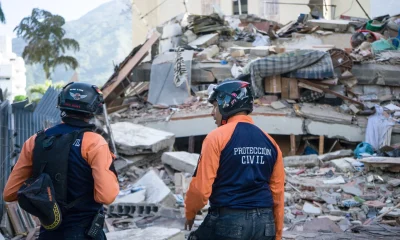
United Nations Coordinates Relief Efforts as Venezuela Death Toll Rises After Twin Quakes
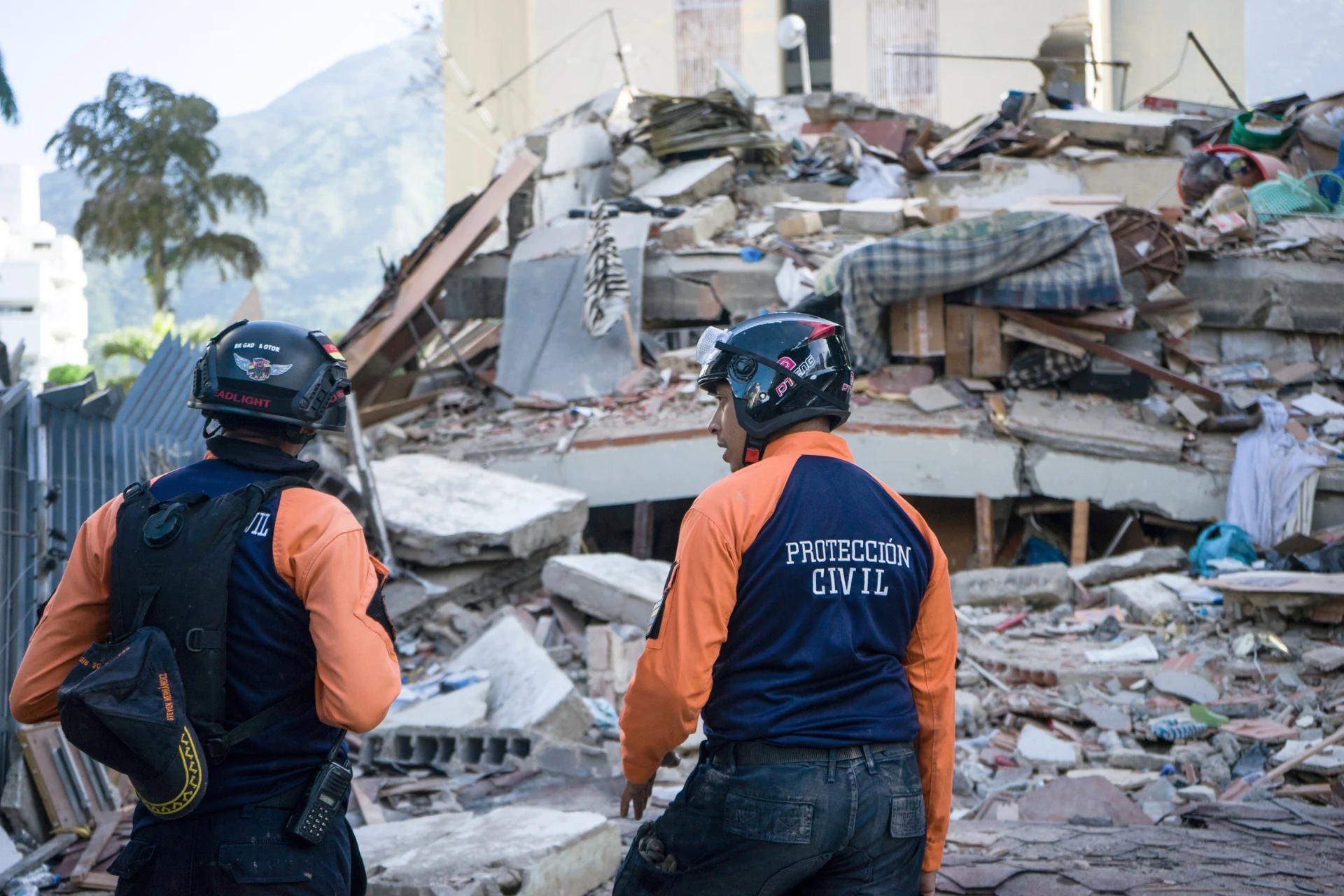
United Nations Secretary-General António Guterres on Thursday expressed his condolences to the people of Venezuela following the two devastating earthquakes that struck the country and highlighted the ongoing coordination between UN humanitarian teams and interim President Delcy Rodríguez.
Speaking during the UN’s daily press briefing, spokesperson Stéphane Dujarric said Guterres was deeply saddened by the loss of life and widespread destruction caused by the disaster.
“The Secretary-General is deeply distressed by the loss of life and the widespread devastation caused by the earthquakes that struck Venezuela yesterday. He extends his heartfelt condolences to the families of the victims and wishes a speedy recovery to those injured,” Dujarric stated.
Venezuela was struck on Wednesday by two powerful earthquakes measuring 7.2 and 7.5 in magnitude. According to official figures, the disaster has left at least 164 people dead and 971 others injured.
Dujarric noted that preliminary reports indicate significant damage across several states, including the capital, Caracas. Numerous casualties have been reported, while other individuals remain trapped beneath collapsed structures or are still missing.
“Critical infrastructure has been damaged and essential services have been disrupted,” the spokesperson said.
The United Nations confirmed that its humanitarian team remains in close contact with interim President Delcy Rodríguez and other relevant authorities as emergency operations continue.
To support relief efforts, the UN has established a coordination center in Caracas and is assisting local authorities to ensure that humanitarian aid reaches affected communities as quickly and efficiently as possible.
Guterres also welcomed the expressions of solidarity and offers of assistance from countries around the world that responded following news of the disaster, underscoring the importance of international cooperation in addressing the humanitarian emergency.
International
OAS Secretary General Pledges Regional Assistance Following Venezuela Quake Disaster
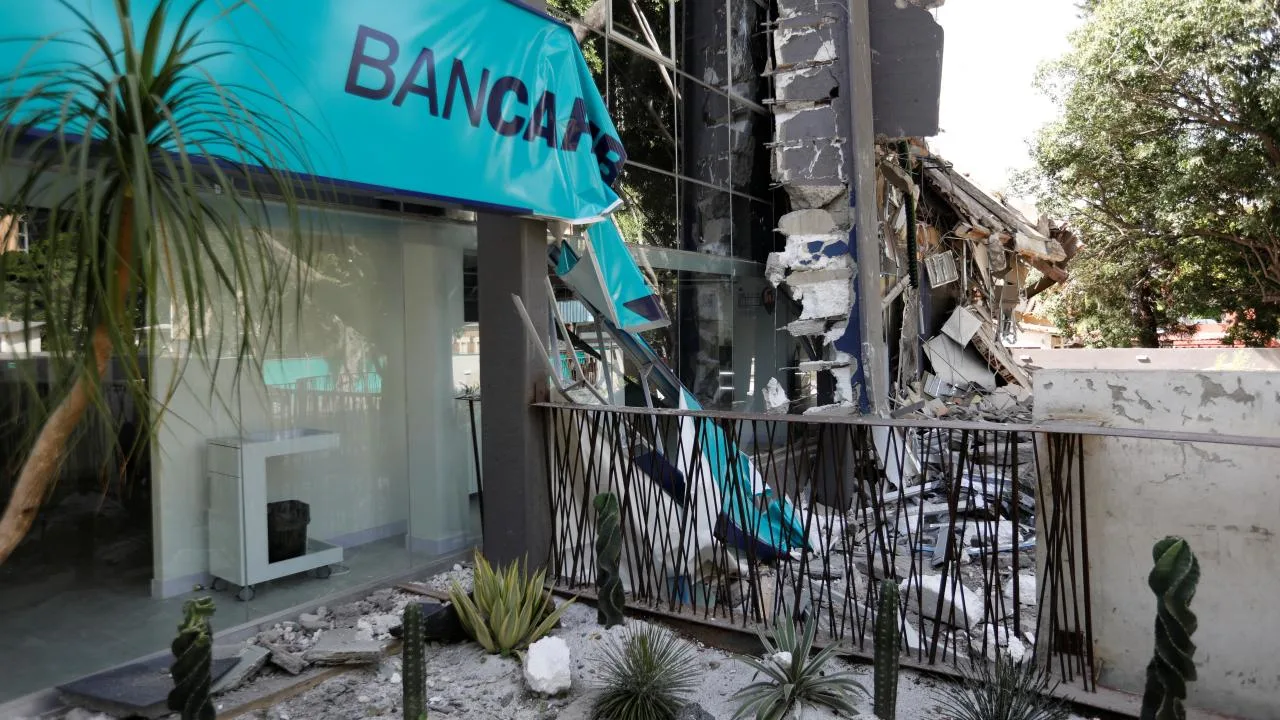
The Secretary General of the Organization of American States (OAS), Albert Ramdin, said on Thursday that the “hemispheric community” stands ready to provide “full support” to Venezuela and its people following the powerful earthquakes that struck the country overnight, leaving at least 164 people dead and nearly 1,000 injured.
Speaking at the conclusion of the OAS General Assembly, Ramdin expressed solidarity not only with Venezuela but also with Colombia, Curaçao and Aruba, where the tremors were also felt.
“Above all, our thoughts are with these peoples,” he said during his remarks.
Ramdin noted that while many details about the disaster are still emerging, countries across the hemisphere are prepared to assist Venezuela as it responds to the crisis.
“Much remains unknown at this stage, but the hemispheric community will be ready to support the people of Venezuela during this very difficult time,” he stated, reiterating the organization’s commitment to helping those affected.
According to updated information released by the Venezuelan government, the powerful earthquakes have been followed by at least 30 aftershocks. Authorities have also reported extensive structural damage, including numerous building collapses in La Guaira, the area considered hardest hit by the disaster.
Rescue efforts are currently focused on La Guaira, where emergency teams continue searching for survivors trapped beneath the rubble as officials assess the full extent of the damage.
International
Bill Gates Says Jeffrey Epstein Made “Veiled” Threats Over Extramarital Affairs
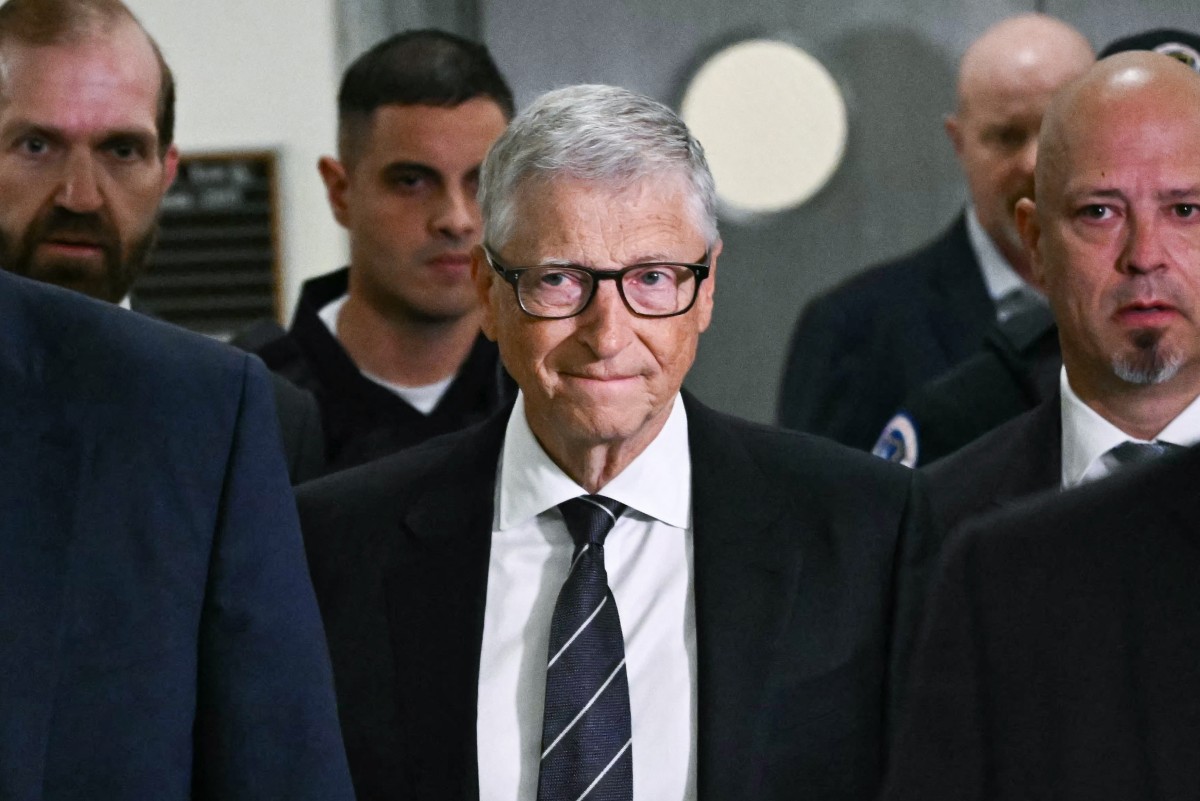
Microsoft co-founder Bill Gates told members of the U.S. Congress that he received “veiled” threats from convicted sex offender Jeffrey Epstein related to his extramarital affairs, according to a transcript of his testimony released Tuesday.
Gates testified behind closed doors on June 10 before the House Oversight Committee regarding his relationship with the American financier, who died in prison in 2019 while awaiting trial on sex trafficking-related charges. Epstein had previously been convicted in 2008 for soliciting prostitution from a minor.
According to the transcript released by the committee, Gates said Epstein appeared to want to use his knowledge of Gates’ personal relationships as leverage to keep him within his circle at a time when Gates was already distancing himself.
“I was not blackmailed, but reading these emails, it seems like Mr. Epstein’s ideas were moving in that direction,” Gates said, referring to documents from the Epstein case released by the Justice Department in January.
Gates added that Epstein never sent him anything he would personally classify as blackmail. However, he said the content of certain draft emails suggested Epstein was “rehearsing” how he, or someone he instructed, might attempt to pressure him.
“He was, in a way, practicing how he himself, or someone he directed, could choose to blackmail me, but none of those messages were ever sent to me,” Gates told lawmakers.
The 70-year-old billionaire had previously stated that he was unaware of Epstein’s criminal behavior and said he had never been involved in harming anyone.
In February, Gates told The Wall Street Journal that his association with Epstein was a serious mistake. He also acknowledged having extramarital relationships, while denying any involvement in Epstein’s criminal activities.
Gates said his relationship with Epstein began in 2011, three years after Epstein’s conviction, and acknowledged that he was aware of Epstein’s legal troubles at the time.
However, Gates said he was told that Epstein had the ability to raise billions of dollars for global health initiatives, an area in which Gates had significant involvement.
“When I met him, I knew he had been convicted,” Gates told lawmakers. “I knew it was of a sexual nature, but I didn’t try to learn more, although I probably should have.”


United Nations Coordinates Relief Efforts as Venezuela Death Toll Rises After Twin Quakes

OAS Secretary General Pledges Regional Assistance Following Venezuela Quake Disaster

Bill Gates Says Jeffrey Epstein Made “Veiled” Threats Over Extramarital Affairs
Tec de Monterrey honors one of its students for his contribution to nanotechnology in medicine

Defense Minister commends salvadoran soldier for Central American Cross Country victory

Extension of the state of emergency approved in southern Chile
-

 International2 days ago
Cristiano Ronaldo Makes History as First Player to Score in Six World Cups
-
 Central America1 day ago
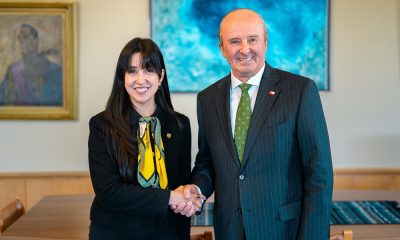
El Salvador and Chile Mark 150 Years of Relations With Expanded Bilateral Cooperation
-
 International3 days ago
UNHCR Urges U.S. Deportation Agreements to Uphold Asylum Rights and International Law
-

 International3 days ago
Mbappé Ties Klose on All-Time World Cup Scoring List After Brace Against Iraq
-
 International1 day ago
WHO Expects Deadly Hantavirus Outbreak on Cruise Ship to End by July 2
-
 International2 days ago
U.S. Proposes Higher Citizenship Fees and Limits on Immigration Fee Waivers
-
 International1 day ago
Bill Gates Says Jeffrey Epstein Made “Veiled” Threats Over Extramarital Affairs
-
 International8 hours ago
OAS Secretary General Pledges Regional Assistance Following Venezuela Quake Disaster
-
 Central America2 days ago
Costa Rica Launches Largest Police Operation in History, Dismantles Major Drug Cartel
-
 Central America3 days ago
Ancient Maya Ceremonial Site Reveals New Clues About Preclassic Ritual Practices
-
 International8 hours ago
United Nations Coordinates Relief Efforts as Venezuela Death Toll Rises After Twin Quakes