
International
Fiona batters Turks and Caicos as Category 3 hurricane
AFP
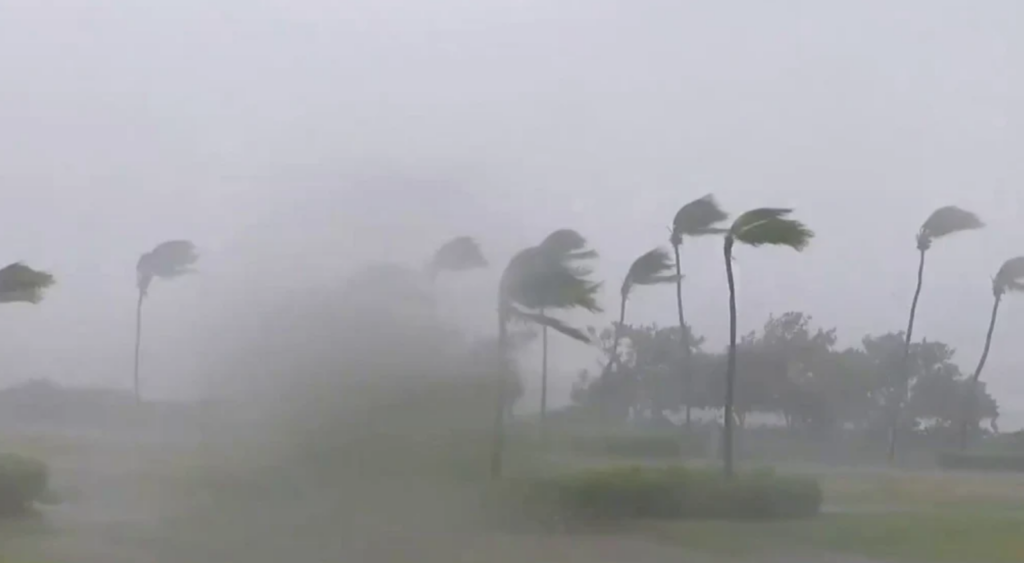
Hurricane Fiona battered the Turks and Caicos islands as a powerful Category 3 storm on Tuesday after leaving a trail of destruction in Puerto Rico and the Dominican Republic.
The top US disaster management official was headed to Puerto Rico meanwhile to assess the damage in the US territory still struggling to recover from Hurricane Maria five years ago.
Fiona has left at least two people dead as it churned across the Caribbean — a man whose home was swept away in the French overseas department of Guadeloupe and another in the Dominican Republic who died while cutting down a tree.
The Turks and Caicos, a British territory of some 38,000 people, was being lashed by heavy rains and strong winds as Fiona crept northwards on a path that could see the storm approaching Bermuda late Thursday.
“Hurricane Fiona has proven to be an unpredictable storm,” Anya Williams, the deputy governor of the Turks and Caicos, said in a broadcast.









Williams said no casualties or serious injuries had been reported in the Turks and Caicos overnight but she urged residents to continue to shelter in place.
Blackouts were reported on Grand Turk and several other islands in the archipelago and 165 people were admitted to shelters, she said, adding that Britain’s Royal Navy and the US Coast Guard are standing by provide assistance.
The US National Hurricane Center (NHC) said Fiona was packing maximum winds nearing 115 miles (185 kilometers) per hour, making it a major hurricane, and it is expected to become even stronger.
Dominican Republic President Luis Abinader has declared three eastern provinces to be disaster zones: La Altagracia — home to the popular resort of Punta Cana — El Seibo and Hato Mayor.
Several roads were flooded or cut off by falling trees or electric poles around Punta Cana where the power was knocked out.
Footage from local media showed residents of the east coast town of Higuey waist-deep in water trying to salvage personal belongings.
“It came through at high speed,” Vicente Lopez told AFP, bemoaning the destroyed businesses in the area.
‘I have food and water’
US President Joe Biden has declared a state of emergency in Puerto Rico — where the storm hit a day earlier — and dispatched the head of the Federal Emergency Management Agency to the island.
“We’re sending hundreds of additional staff in the next few days to place staff in each of the impacted communities,” FEMA Administrator Deanne Criswell said.
Puerto Rico Governor Pedro Pierluisi said the storm had caused catastrophic damage on the island of three million people since Sunday, with some areas receiving more than 30 inches (76 centimeters) of rain.
Michelle Carlo, medical advisor for Direct Relief in Puerto Rico, told CBS News that “a lot of people in Puerto Rico are suffering right now.”
“About 80 percent of Puerto Ricans are still without power and about 65 percent are without water service,” Carlo said.
Across Puerto Rico, Fiona caused landslides, blocked roads and toppled trees, power lines and bridges, Pierluisi said.
A man was killed as an indirect result of the power blackout — burned to death while trying to fill his generator, according to authorities.
On Monday afternoon, Nelly Marrero made her way back to her home in Toa Baja, in the north of Puerto Rico, to clear out the mud that surged inside after she evacuated.
“Thanks to God, I have food and water,” Marrero — who lost everything when Hurricane Maria devastated Puerto Rico — told AFP by telephone.
The hurricane has left around 800,000 people without drinking water as a result of power outages and flooded rivers, officials said.
After years of financial woes and recession, Puerto Rico in 2017 declared the largest bankruptcy ever by a local US administration.
Later that year, the double hit from hurricanes Irma and Maria added to the misery, devastating the electrical grid on the island — which has suffered from major infrastructure problems for years.
The grid was privatized in June 2021 in an effort to resolve the problem of blackouts, but the issue has persisted, and the entire island lost power earlier this year.







International
United Nations Coordinates Relief Efforts as Venezuela Death Toll Rises After Twin Quakes
United Nations Secretary-General António Guterres on Thursday expressed his condolences to the people of Venezuela following the two devastating earthquakes that struck the country and highlighted the ongoing coordination between UN humanitarian teams and interim President Delcy Rodríguez.
Speaking during the UN’s daily press briefing, spokesperson Stéphane Dujarric said Guterres was deeply saddened by the loss of life and widespread destruction caused by the disaster.
“The Secretary-General is deeply distressed by the loss of life and the widespread devastation caused by the earthquakes that struck Venezuela yesterday. He extends his heartfelt condolences to the families of the victims and wishes a speedy recovery to those injured,” Dujarric stated.
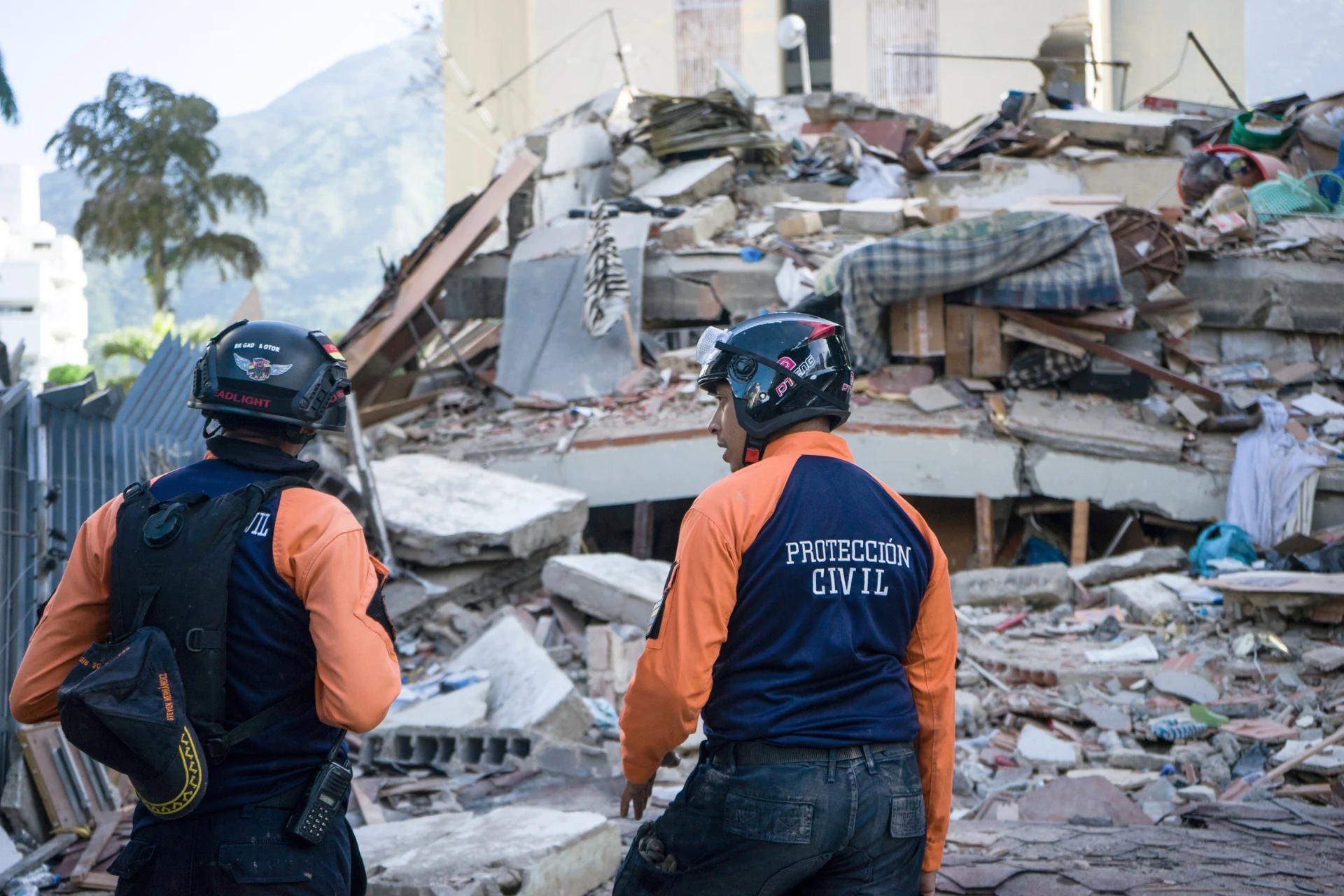
Venezuela was struck on Wednesday by two powerful earthquakes measuring 7.2 and 7.5 in magnitude. According to official figures, the disaster has left at least 164 people dead and 971 others injured.
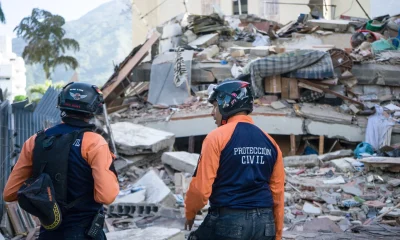
Dujarric noted that preliminary reports indicate significant damage across several states, including the capital, Caracas. Numerous casualties have been reported, while other individuals remain trapped beneath collapsed structures or are still missing.
“Critical infrastructure has been damaged and essential services have been disrupted,” the spokesperson said.
The United Nations confirmed that its humanitarian team remains in close contact with interim President Delcy Rodríguez and other relevant authorities as emergency operations continue.
To support relief efforts, the UN has established a coordination center in Caracas and is assisting local authorities to ensure that humanitarian aid reaches affected communities as quickly and efficiently as possible.
Guterres also welcomed the expressions of solidarity and offers of assistance from countries around the world that responded following news of the disaster, underscoring the importance of international cooperation in addressing the humanitarian emergency.
International
OAS Secretary General Pledges Regional Assistance Following Venezuela Quake Disaster
The Secretary General of the Organization of American States (OAS), Albert Ramdin, said on Thursday that the “hemispheric community” stands ready to provide “full support” to Venezuela and its people following the powerful earthquakes that struck the country overnight, leaving at least 164 people dead and nearly 1,000 injured.
Speaking at the conclusion of the OAS General Assembly, Ramdin expressed solidarity not only with Venezuela but also with Colombia, Curaçao and Aruba, where the tremors were also felt.
“Above all, our thoughts are with these peoples,” he said during his remarks.
Ramdin noted that while many details about the disaster are still emerging, countries across the hemisphere are prepared to assist Venezuela as it responds to the crisis.
“Much remains unknown at this stage, but the hemispheric community will be ready to support the people of Venezuela during this very difficult time,” he stated, reiterating the organization’s commitment to helping those affected.
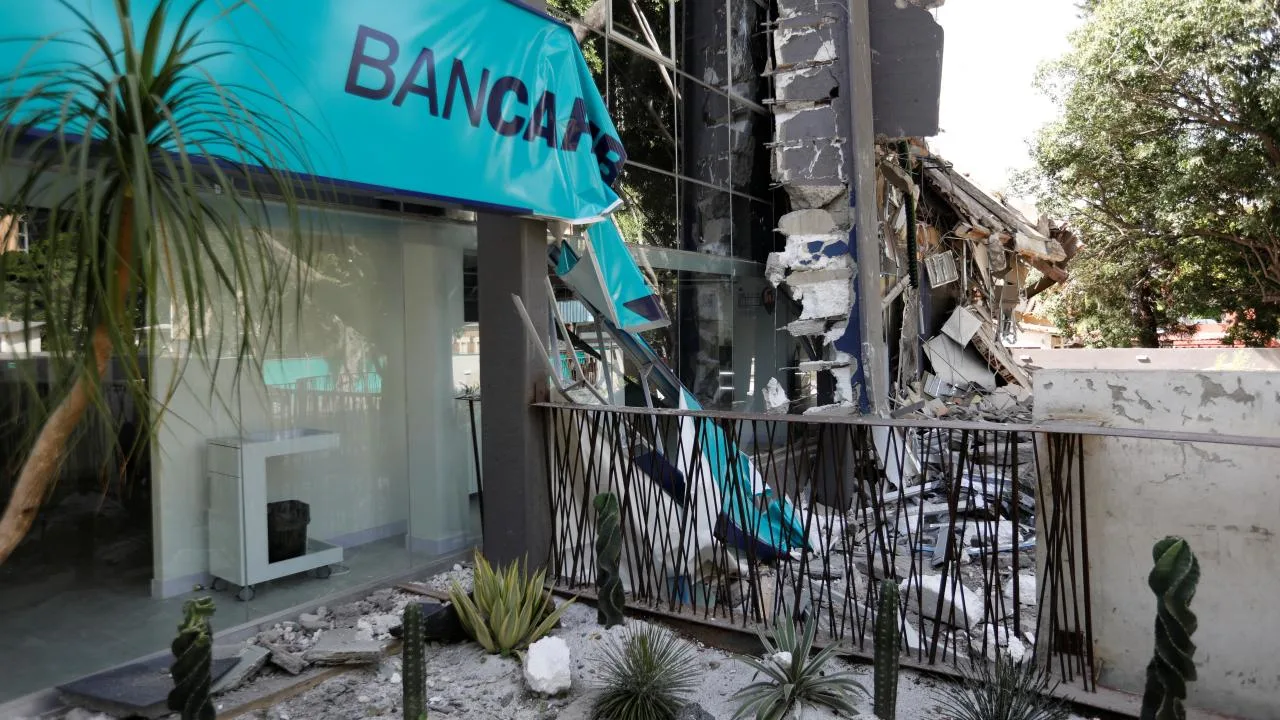
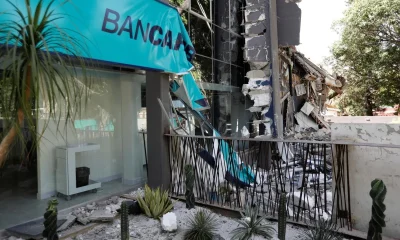
According to updated information released by the Venezuelan government, the powerful earthquakes have been followed by at least 30 aftershocks. Authorities have also reported extensive structural damage, including numerous building collapses in La Guaira, the area considered hardest hit by the disaster.
Rescue efforts are currently focused on La Guaira, where emergency teams continue searching for survivors trapped beneath the rubble as officials assess the full extent of the damage.
International
Bill Gates Says Jeffrey Epstein Made “Veiled” Threats Over Extramarital Affairs
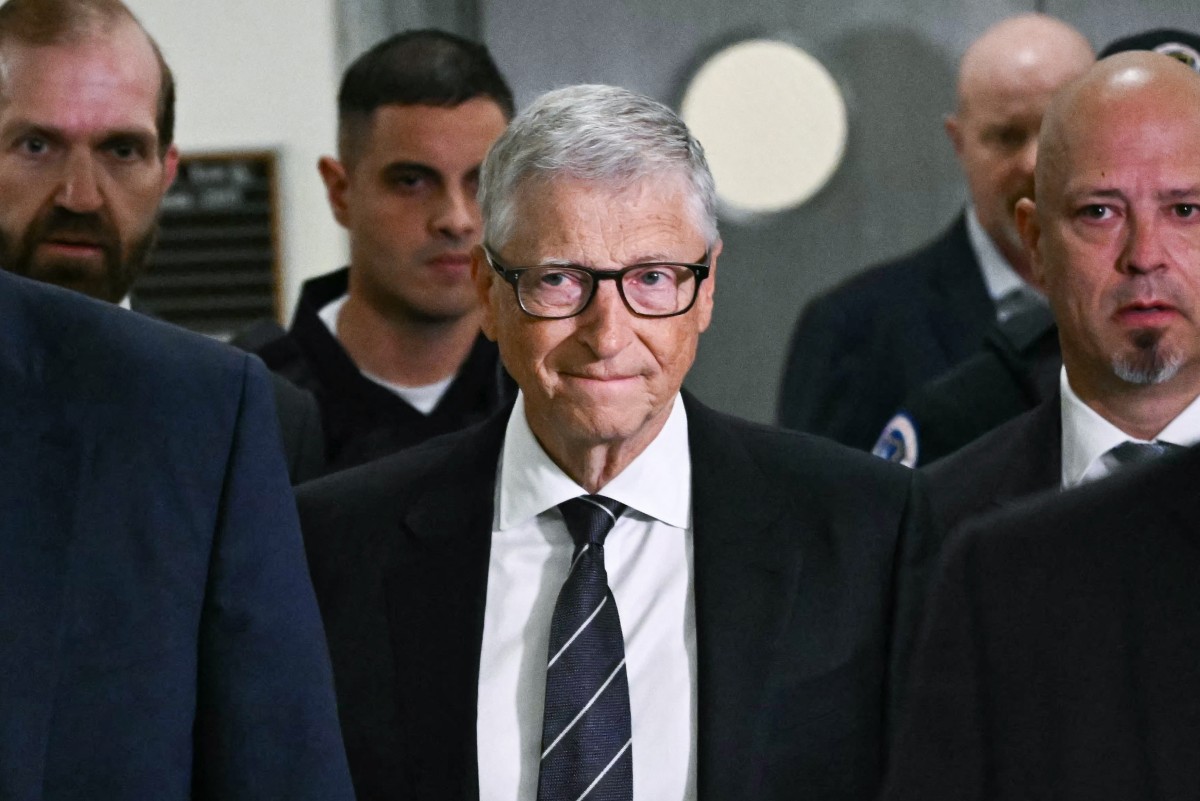
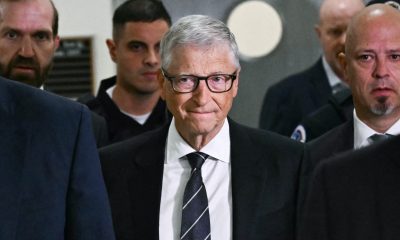
Microsoft co-founder Bill Gates told members of the U.S. Congress that he received “veiled” threats from convicted sex offender Jeffrey Epstein related to his extramarital affairs, according to a transcript of his testimony released Tuesday.
Gates testified behind closed doors on June 10 before the House Oversight Committee regarding his relationship with the American financier, who died in prison in 2019 while awaiting trial on sex trafficking-related charges. Epstein had previously been convicted in 2008 for soliciting prostitution from a minor.
According to the transcript released by the committee, Gates said Epstein appeared to want to use his knowledge of Gates’ personal relationships as leverage to keep him within his circle at a time when Gates was already distancing himself.
“I was not blackmailed, but reading these emails, it seems like Mr. Epstein’s ideas were moving in that direction,” Gates said, referring to documents from the Epstein case released by the Justice Department in January.
Gates added that Epstein never sent him anything he would personally classify as blackmail. However, he said the content of certain draft emails suggested Epstein was “rehearsing” how he, or someone he instructed, might attempt to pressure him.
“He was, in a way, practicing how he himself, or someone he directed, could choose to blackmail me, but none of those messages were ever sent to me,” Gates told lawmakers.
The 70-year-old billionaire had previously stated that he was unaware of Epstein’s criminal behavior and said he had never been involved in harming anyone.
In February, Gates told The Wall Street Journal that his association with Epstein was a serious mistake. He also acknowledged having extramarital relationships, while denying any involvement in Epstein’s criminal activities.
Gates said his relationship with Epstein began in 2011, three years after Epstein’s conviction, and acknowledged that he was aware of Epstein’s legal troubles at the time.
However, Gates said he was told that Epstein had the ability to raise billions of dollars for global health initiatives, an area in which Gates had significant involvement.
“When I met him, I knew he had been convicted,” Gates told lawmakers. “I knew it was of a sexual nature, but I didn’t try to learn more, although I probably should have.”


United Nations Coordinates Relief Efforts as Venezuela Death Toll Rises After Twin Quakes

OAS Secretary General Pledges Regional Assistance Following Venezuela Quake Disaster

Bill Gates Says Jeffrey Epstein Made “Veiled” Threats Over Extramarital Affairs
Tec de Monterrey honors one of its students for his contribution to nanotechnology in medicine

Defense Minister commends salvadoran soldier for Central American Cross Country victory

Extension of the state of emergency approved in southern Chile
-

 International3 days ago
Cristiano Ronaldo Makes History as First Player to Score in Six World Cups
-
 Central America2 days ago
El Salvador and Chile Mark 150 Years of Relations With Expanded Bilateral Cooperation
-
 International4 days ago
UNHCR Urges U.S. Deportation Agreements to Uphold Asylum Rights and International Law
-

 International4 days ago
Mbappé Ties Klose on All-Time World Cup Scoring List After Brace Against Iraq
-
 International2 days ago
WHO Expects Deadly Hantavirus Outbreak on Cruise Ship to End by July 2
-
 International1 day ago
OAS Secretary General Pledges Regional Assistance Following Venezuela Quake Disaster
-
 International1 day ago
United Nations Coordinates Relief Efforts as Venezuela Death Toll Rises After Twin Quakes
-
 International3 days ago
U.S. Proposes Higher Citizenship Fees and Limits on Immigration Fee Waivers
-
 International2 days ago
Bill Gates Says Jeffrey Epstein Made “Veiled” Threats Over Extramarital Affairs
-
 Central America3 days ago
Costa Rica Launches Largest Police Operation in History, Dismantles Major Drug Cartel
-
 Central America4 days ago
Ancient Maya Ceremonial Site Reveals New Clues About Preclassic Ritual Practices