
Central America
6.0 magnitude earthquake shakes El Salvador
| By AFP |
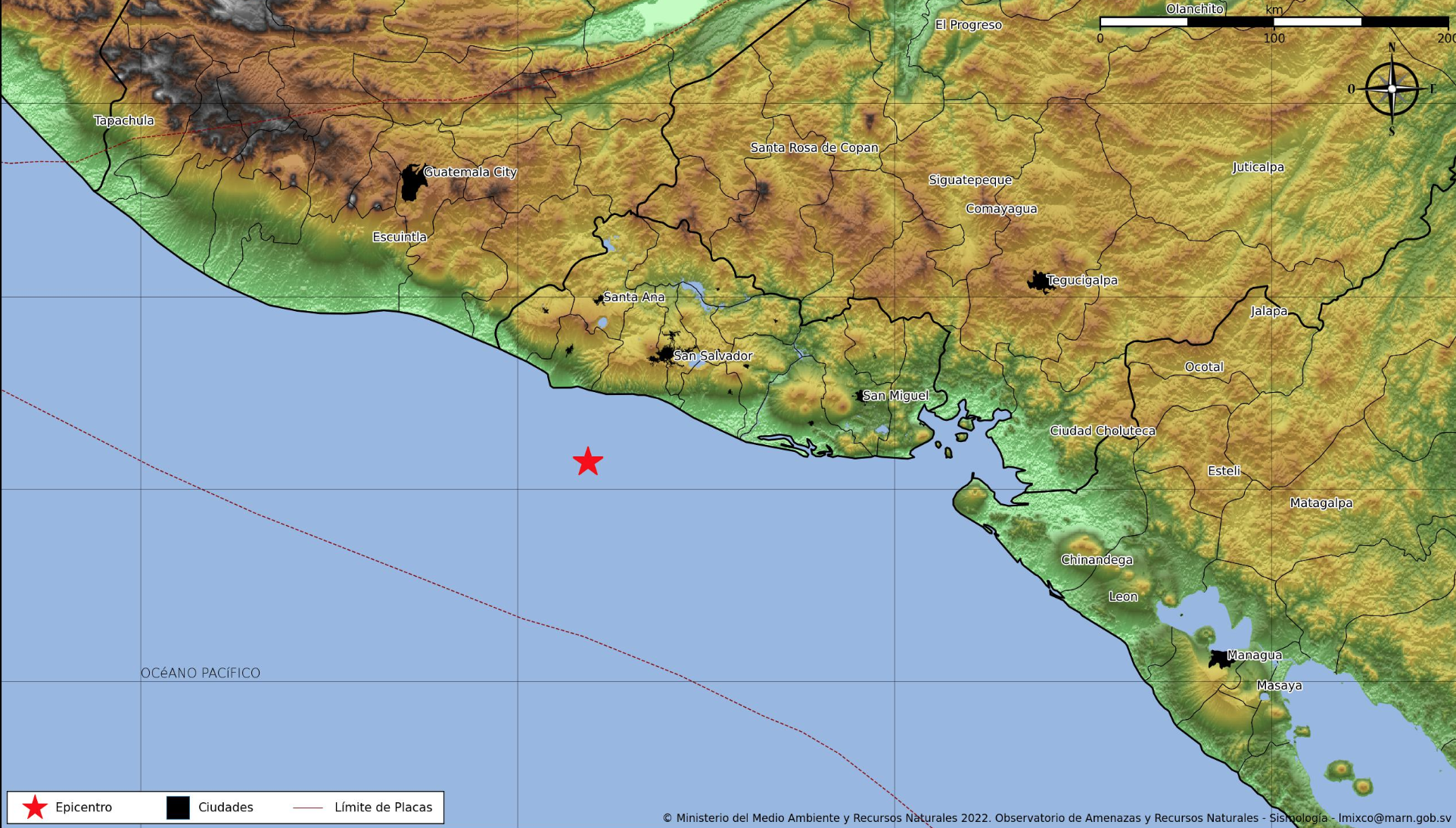
A 6.0 magnitude earthquake shook El Salvador on Thursday night, with no initial reports of casualties or material damage, Salvadoran authorities said.
The tremor was registered at 10:26 pm local time (0426 GMT Friday) and its epicenter was located 37 kilometers (22 miles) off the country’s southern coast, near the town of Mizata in La Libertad region, the environment ministry said.
President Nayib Bukele said there had been no reports of damage from the armed forces or police. “Nothing new on the coast. No damage to main highways. It seems the earthquake did not cause any damage. Thank god,” he said on Twitter.
The earthquake was also felt in neighbouring Guatemala, according to that country’s National Coordinator for Disaster Reduction, which reported no people affected or damage there. The tremor was felt in at least 14 departments of El Salvador, per reports on social media, but the environment ministry said it was “more noticeable” in coastal areas.









In the capital San Salvador, the tremor caused alarm, with people leaving their homes and taking to the streets in many residential areas, according to local press reports.
Salvadoran Interior Minister Juan Carlos Bidegain said that while there were no immediate reports of damage or injuries, “the whole territory continues to be monitored.” The government added that “all the institutions” of the system “are active” to address any emergencies resulting from the earthquake.
The environment ministry said that at least six aftershocks had been registered following the initial earthquake, with epicenters in the same area. “The strongest aftershock has been with a magnitude of 3.8, so we call the population to be attentive,” said Environment Minister Fernando Lopez at a press conference.
The minister ruled out the possibility of a tsunami alert for coastal areas of the country after the earthquake. He did, however, warn that more aftershocks could follow.























































Central America
Panama confirms drug contamination of El Salvador coffee shipment occurred on its territory
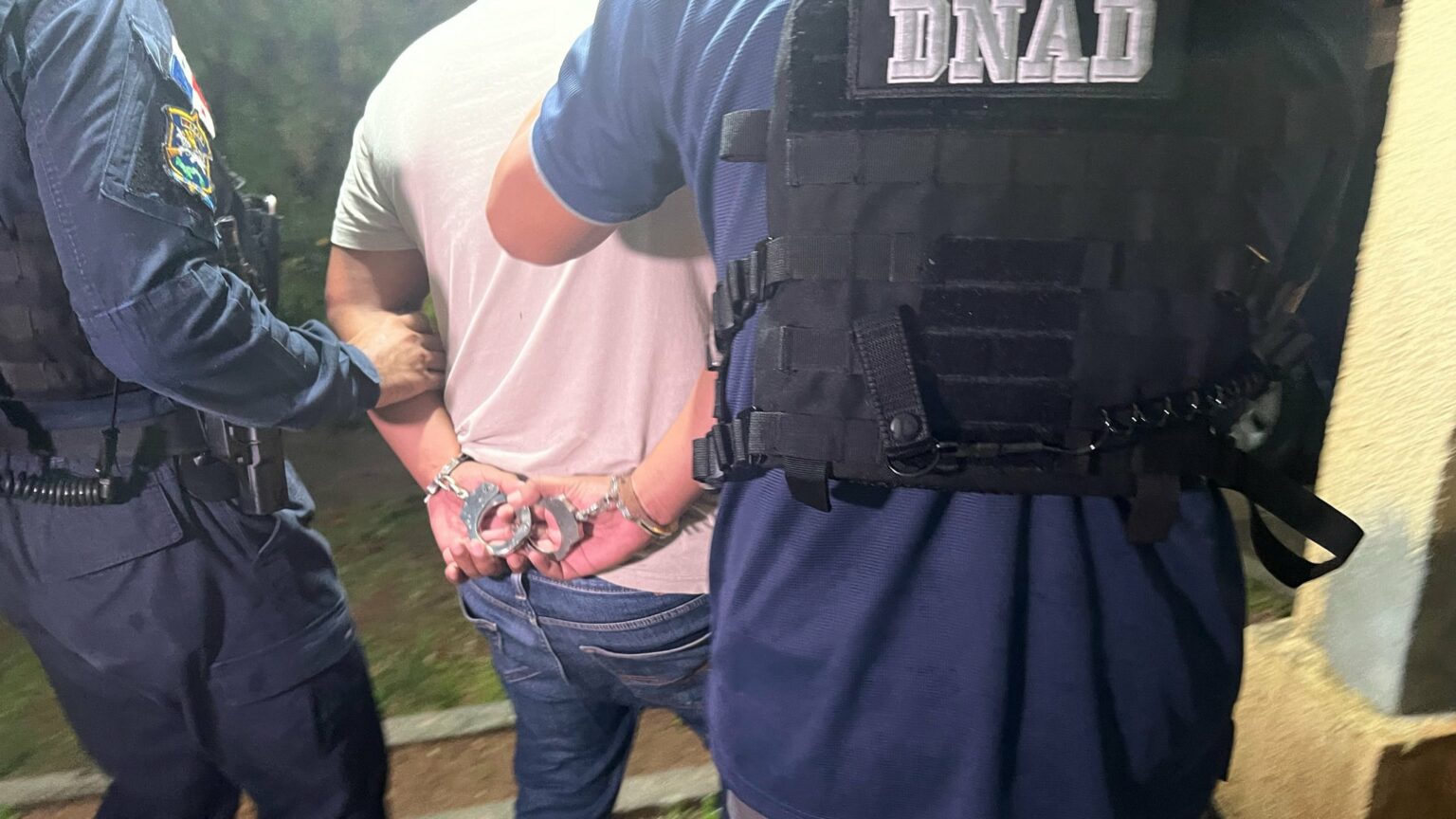
A container originating from El Salvador and carrying coffee for export was contaminated with more than 1,152 packages of drugs while in transit through Panama, according to official information confirmed by the Panamanian government this Tuesday.
The case, which had previously generated political controversy in April 2025 after opposition sectors attempted to link the Salvadoran government to drug trafficking, has now been clarified through renewed investigations.
Authorities confirmed that the container departed from the port of Acajutla after being properly inspected, with no illicit substances detected at the time of export.
According to statements previously provided by El Salvador’s Minister of Defense, René Merino Monroy, the shipment traveled first to the port of Balboa in Panama, where it remained stored for several days before being transferred to another vessel bound for Manzanillo in Colón.
It was at that terminal that Panamanian authorities discovered the drugs and identified tampering with the container seals, indicating that the illicit alteration occurred during its transit in Panama rather than in Salvadoran territory.
The findings align with earlier explanations provided by Salvadoran officials and confirm that the contamination of the cargo took place outside of El Salvador’s jurisdiction.
Central America
Uber Eats adds Puntarenas and Turrialba to growing Costa Rica network

Uber Eats announced that it is continuing to expand its presence in Costa Rica with the launch of operations in the cities of Puntarenas and Turrialba, further strengthening the company’s growth in the country.
With this expansion, the delivery platform is now available across all seven Costa Rican provinces and works with more than 6,000 partner businesses. Its offerings include prepared food, supermarkets, pharmacies, pet stores, and other specialty retailers.
As part of the announcement, Uber Eats also introduced Marco Nannipieri as its new Regional General Manager for the Andean Region, Central America, and the Caribbean.
Nannipieri will oversee the company’s operations in Costa Rica along with seven other countries in the region.
“Costa Rica is a key market for Uber Eats in the region, with growing adoption of technology among users and businesses. Over the past five years, more than 1,000 restaurants and merchants have joined the app, and today we are entering a new stage of expansion that will allow us to reach more cities outside the Greater Metropolitan Area, creating new opportunities for entrepreneurs across the country,” Nannipieri said.
Central America
Report questions direction of Nasry Asfura after 100 days in office
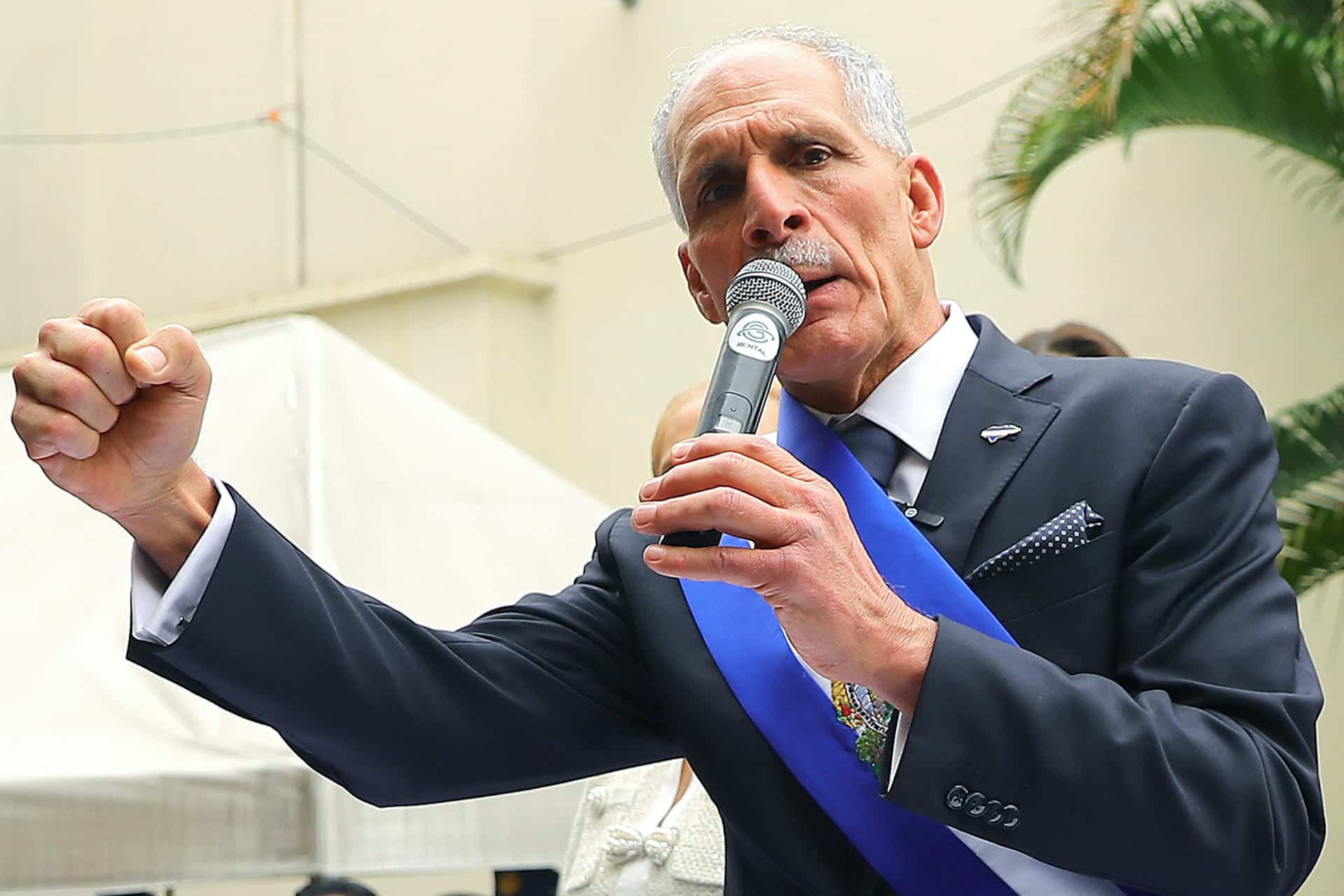
The Center for the Study of Democracy warned Tuesday that the government of Nasry Asfura, which marks its first 100 days in office on Wednesday, has failed to show a “significant change in direction” and continues to follow a model characterized by exclusion, inequality, and external dependence.
In its report titled “100 Days of the Nasry Asfura Government: Concerns and Demands,” Cespad stated that the administration has maintained an economic and political model that prioritizes debt payments, the promotion of extractive projects, and the strengthening of the security apparatus over social investment.
The organization argued that the current policies have not addressed structural problems affecting large sectors of the Honduran population and warned that inequality and economic dependence remain key challenges for the country.
Nasry Asfura won the general elections held on November 30, 2025, in a process marked by allegations of fraud and delays in the vote count that lasted nearly a month due to a series of technological failures.


Mexico City Mayor Invites U2 to Perform at Iconic Zócalo Plaza

Marco Rubio Urges China to Help Restrain Iran Amid Gulf Tensions

Panama confirms drug contamination of El Salvador coffee shipment occurred on its territory
Tec de Monterrey honors one of its students for his contribution to nanotechnology in medicine

Defense Minister commends salvadoran soldier for Central American Cross Country victory

Extension of the state of emergency approved in southern Chile
-
 International2 days ago
Trump floats Vance-Rubio potential Republican ticket for 2028 election
-
 International4 days ago
Russia Accuses Ukraine of Violating Victory Day Truce
-
 Central America2 days ago
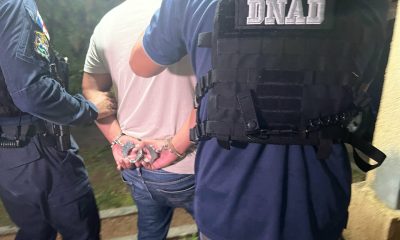
Panama confirms drug contamination of El Salvador coffee shipment occurred on its territory
-
 International3 hours ago
Marco Rubio Urges China to Help Restrain Iran Amid Gulf Tensions
-
 International3 hours ago
Mexico City Mayor Invites U2 to Perform at Iconic Zócalo Plaza