
International
In US, inflation sparks tough Thanksgiving meal sacrifices
| By AFP | Thomas Urbain |
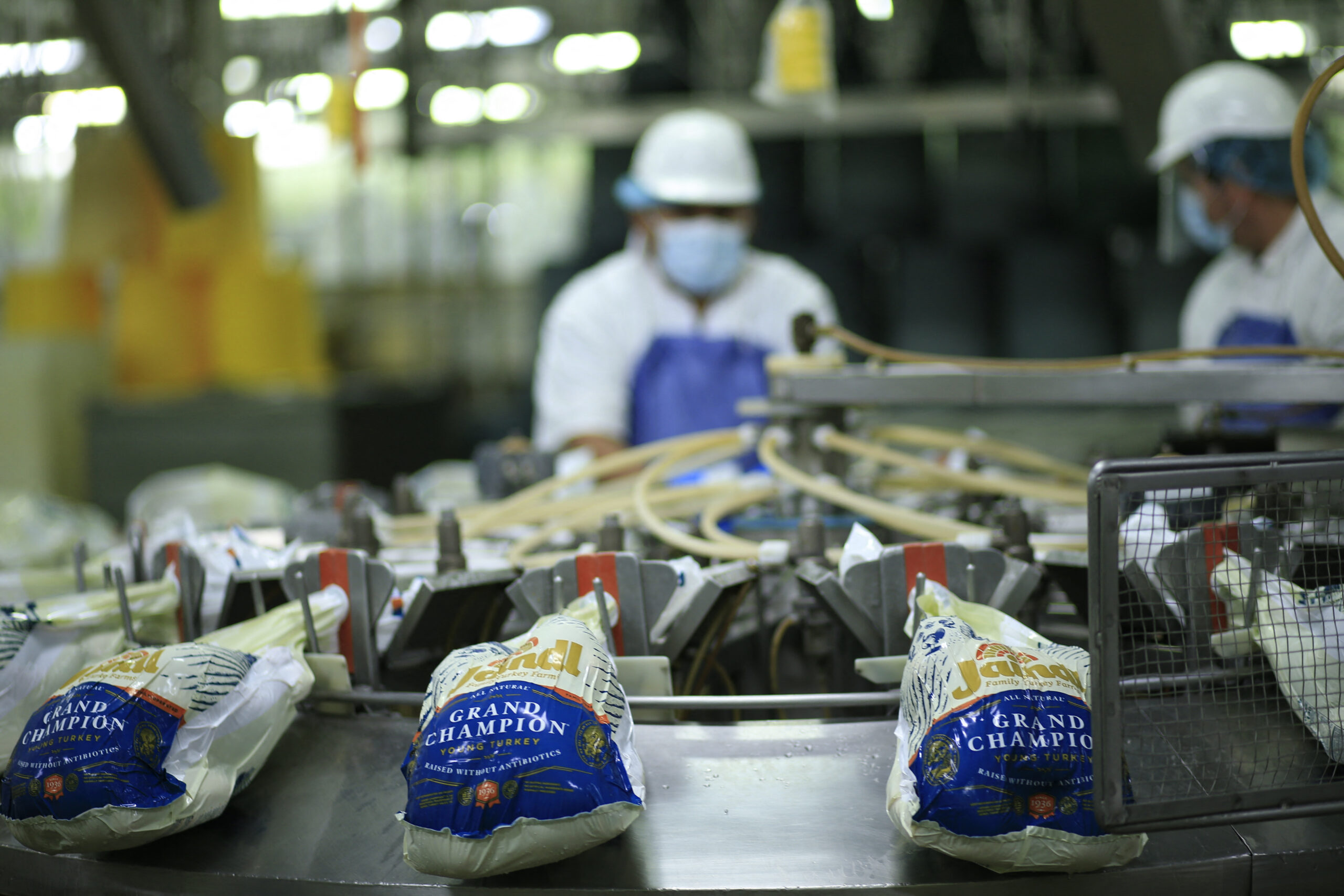
Sandra White normally has turkey for Thanksgiving dinner. But on Thursday, due to soaring inflation, she’s going to have fried chicken instead.
“It’s too expensive, too expensive,” the 70-year-old White, a resident of East Harlem, says of the traditional holiday bird.
She asked her guests to bring other parts of the meal.
It’s the same story for fellow shopper Yeisha Swan, but she got lucky: one of her loved ones bought the family fowl, and she was able to cut costs on the side dishes, which for many are just as important as the main course.









“This is way less than what I would buy. I couldn’t get my ham…. I’m using canned collard greens. It’s different,” Swan, 42, tells AFP outside a New York supermarket.
Inflation is red-hot in the United States, reaching the highest levels in decades this year. And while some prices have eased in recent months, consumers say they are straining to handle their grocery bills — a tough blow at the holidays.
Compounding that problem is a bird flu outbreak that forced the culling of about 50 million poultry, including eight million turkeys, according to calculations based on US Department of Agriculture data.
Turkey costs 21 percent more in the United States than it did last year, according to the American Farm Bureau.
‘Had to really cut back’
The turkey is not the only component of a classic Thanksgiving meal that is more pricey. A Farm Bureau survey showed that cubed stuffing mix was 69 percent more expensive as compared with last year.
The only must-have with a price drop? Cranberries.
An average meal for 10 this year — including turkey, stuffing, peas, sweet potatoes, cranberries, carrots, rolls and pumpkin pie — will cost $64.05, or 20 percent more than in 2021, the Farm Bureau said.
“I just had to really cut back…. We used to have a party and we couldn’t do that for Thanksgiving,” says chef Jose Rodriguez. Instead of an open house for all of his loved ones, he will eat with his wife and their two dogs.
Although turkey prices have jumped, demand has not completely collapsed.
At Wendel’s Poultry Farm near Buffalo, New York — which emerged unscathed from the bird flu crisis — all 1,100 Thanksgiving turkeys were sold out. Customers can already place an order for a Christmas bird.
In order to make up for increasing costs of raw materials, Wendel’s hiked its prices by 22 percent, explains manager Cami Wendel.
Retail giant Walmart went in the opposite direction, offering its Thanksgiving basket, including a turkey, for the same price as last year. Its low prices have allowed it to make inroads in the grocery market since inflation took off.





























































International
Salvadoran National Arrested in New Jersey with Over 70 Machine Gun Conversion Devices
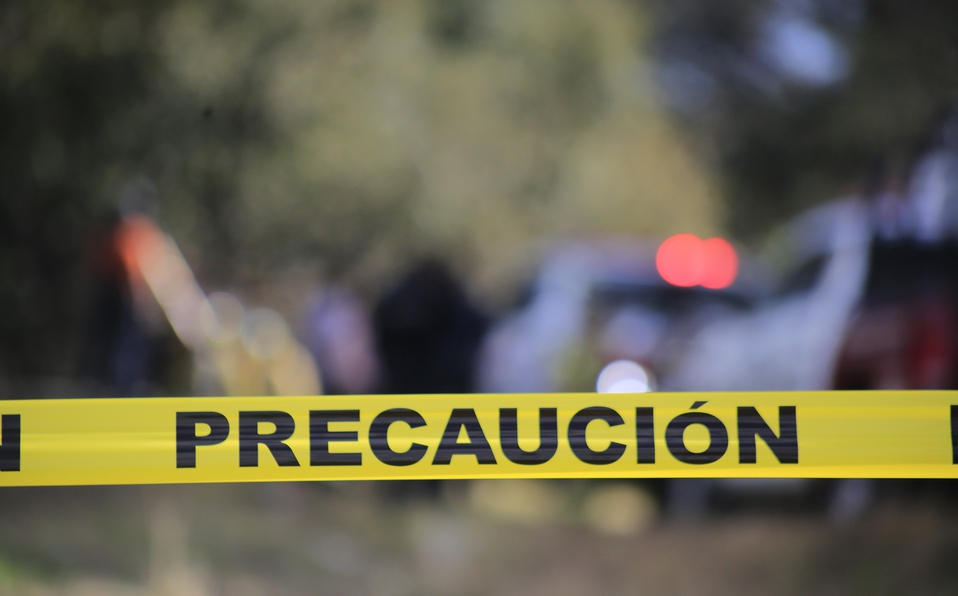
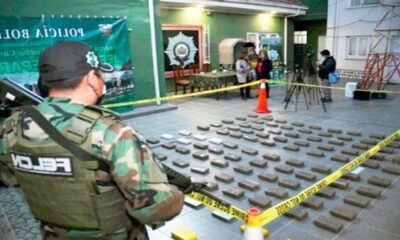
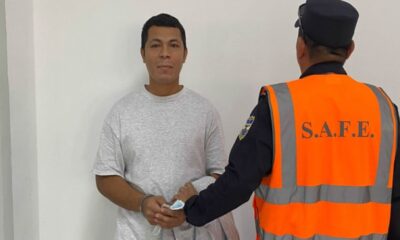
The U.S. Department of Justice announced the arrest of 21-year-old Salvadoran national Erick Márquez Cruz after authorities allegedly discovered more than 70 machine gun conversion devices and other firearm-related components during a search of his residence in North Bergen, New Jersey.
According to the Justice Department, law enforcement officers executed a search warrant on June 25 at Cruz’s home, where they recovered a 3D printer that was allegedly being used to manufacture firearm components. Investigators also seized 17 3D-printed firearm frames, magazines, and more than 70 machine gun conversion devices (MCDs).
Federal authorities explained that the conversion devices, which are classified as machine guns under U.S. law, are designed to convert semiautomatic firearms into fully automatic weapons capable of firing multiple rounds with a single pull of the trigger.
Cruz has been charged with unlawful possession of a machine gun. If convicted, he faces a maximum sentence of 10 years in federal prison and a fine of up to $250,000, or twice the gross financial gain resulting from the offense, whichever is greater.
International
Venezuela Earthquakes Spark Diplomatic Thaw With Former Critics
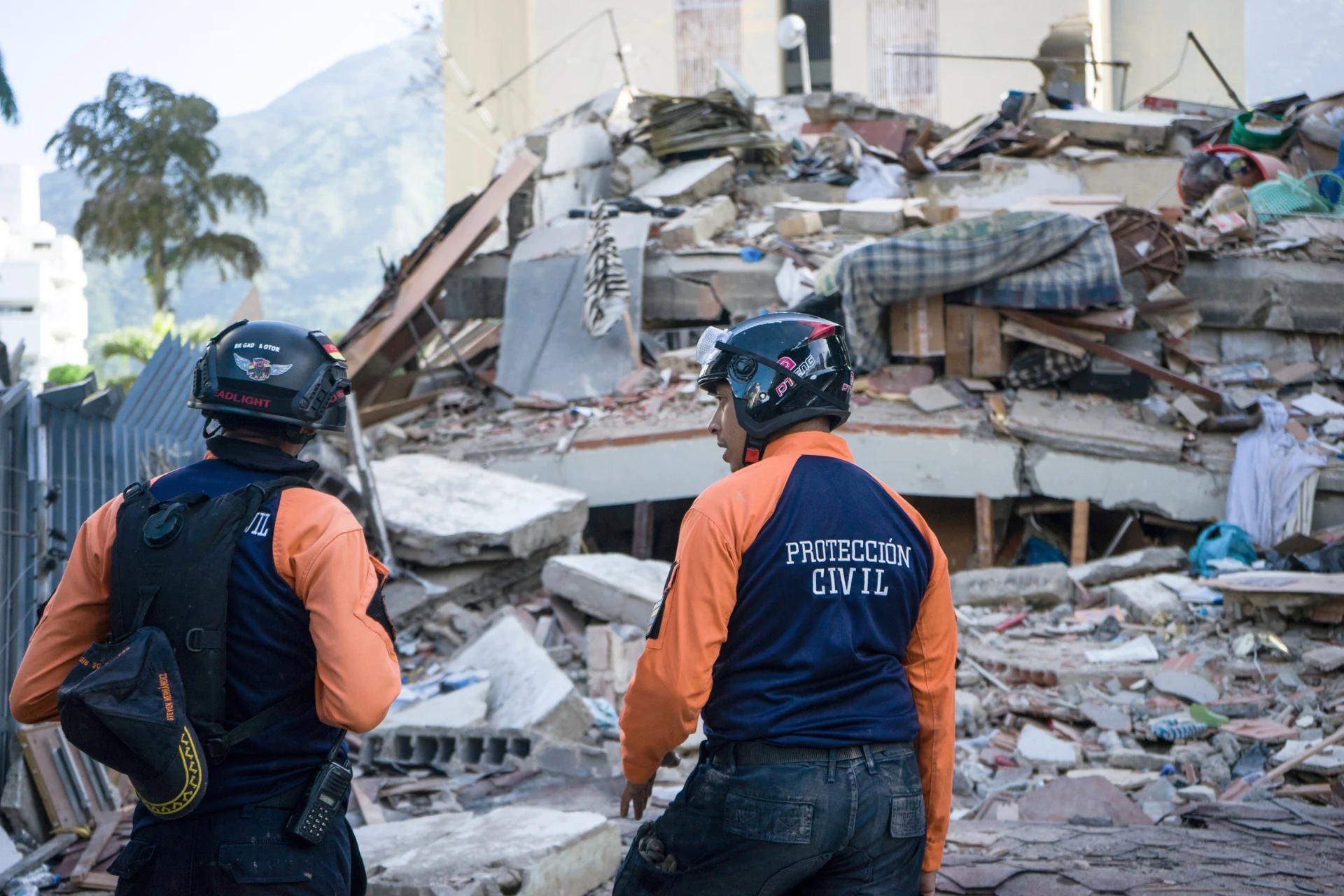
The devastating earthquakes that struck Venezuela have triggered an unprecedented diplomatic thaw between Caracas and several governments that had maintained strained relations with the country, raising hopes that the humanitarian response could pave the way for broader international engagement under the administration of U.S. President Donald Trump.
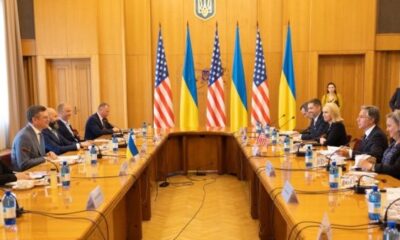
The United States, Chile, Argentina, El Salvador and Israel were among the first countries to announce humanitarian assistance, deploy search-and-rescue teams or establish direct contact with acting President Delcy Rodríguez to coordinate relief efforts in the hardest-hit areas.
Canada also joined the international response by announcing humanitarian aid while opening a domestic debate over the importance of maintaining diplomatic representation in countries such as Venezuela to better respond to emergencies and assist its citizens abroad.
The wave of international cooperation marks a sharp contrast to the diplomatic tensions that followed Venezuela’s disputed presidential election on July 28, 2024, in which Nicolás Maduro was declared the winner.
In the aftermath of that vote, the governments of Argentina, Chile, Costa Rica, Panama, Peru, the Dominican Republic and Uruguay publicly questioned the official election results, triggering one of the region’s most significant diplomatic crises in recent years.
The Venezuelan government responded by withdrawing its diplomatic personnel from several of those countries and demanding the departure of their representatives, further deepening the country’s international isolation.
The humanitarian emergency created by the twin earthquakes has now prompted renewed communication between Caracas and governments that had previously suspended or significantly reduced diplomatic engagement, underscoring how major natural disasters can temporarily reshape international relations despite longstanding political disagreements.
International
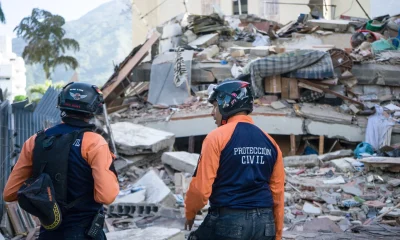
Venezuela Earthquake Death Toll Surpasses 1,700 as Search for Survivors Continues
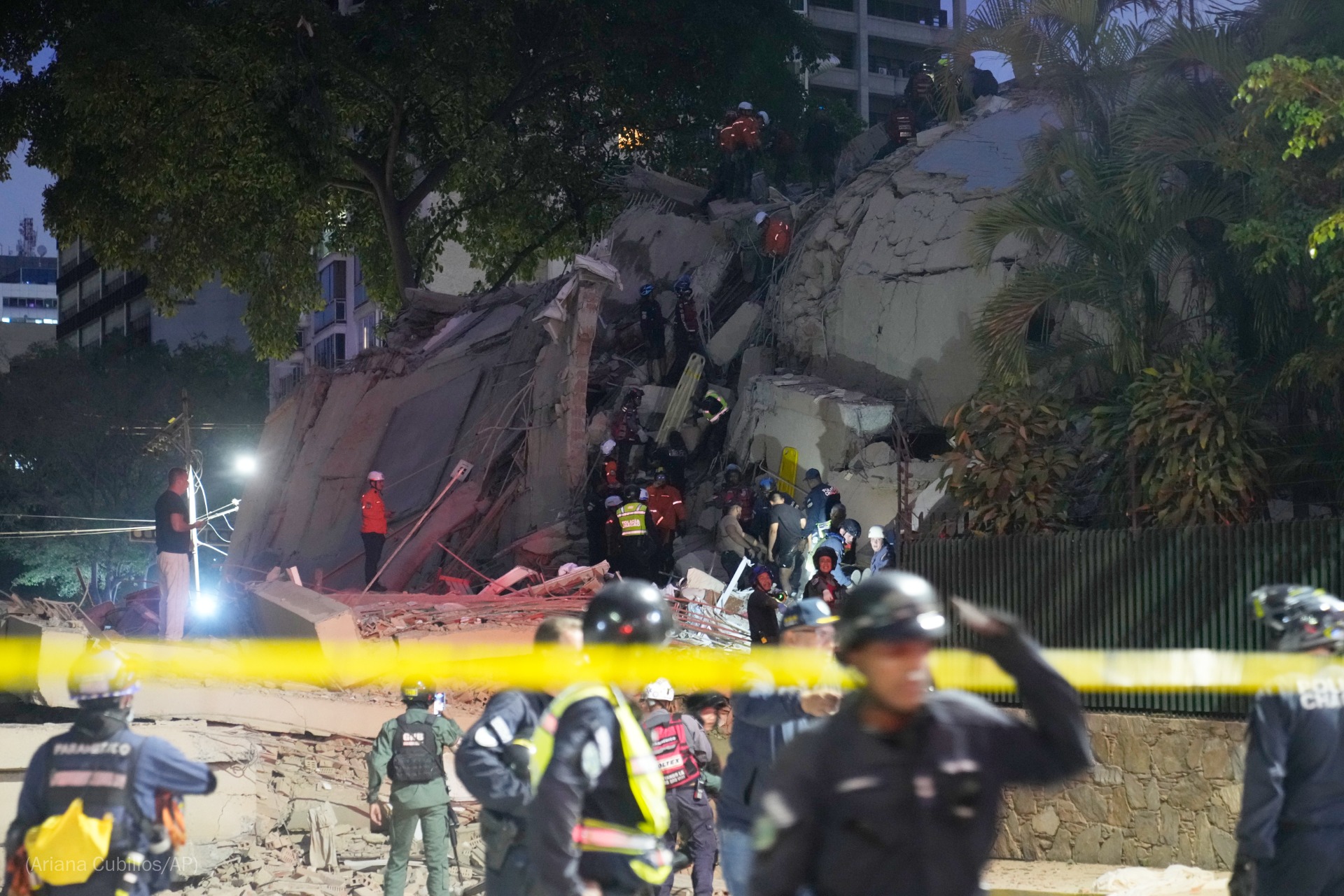
Venezuelan authorities have raised the death toll from last week’s twin earthquakes to more than 1,700, as rescue teams continue searching for survivors in the country’s hardest-hit coastal region.
According to the latest official report released on Sunday, the powerful earthquakes, measuring magnitudes 7.2 and 7.5, have claimed at least 1,719 lives. National Assembly President Jorge Rodríguez also reported that 5,034 people were injured, while 15,866 have been displaced and another 22,619 are receiving medical care.
The United Nations has expressed growing concern over the scale of the disaster, estimating that as many as 68,000 people could still be missing.
La Guaira bears the brunt of the disaster
The coastal state of La Guaira has suffered the greatest loss of life and the most extensive damage. The Venezuelan government has declared the area a disaster zone and placed it under military control as emergency operations continue.
Five days after the earthquakes struck, search-and-rescue teams remain on the ground, supported by additional heavy equipment and international rescue crews. However, hopes of finding more survivors beneath the rubble continue to diminish with each passing day.
One of the most dramatic rescue operations unfolded Monday in Catia La Mar, where emergency teams from El Salvador, Mexico, and Venezuela worked together to reach a 21-year-old man who has remained trapped inside a collapsed building since the earthquakes struck.
The twin earthquakes hit Venezuela on June 24, with the epicenter located between San Felipe and Yumare in the country’s northern region. The first quake, measuring magnitude 7.2, struck at 6:04 p.m. local time. Just 39 seconds later, a second and stronger magnitude 7.5 earthquake occurred farther to the southeast. Combined, the seismic activity lasted nearly three minutes, causing widespread devastation across several regions of the country.


Salvadoran National Arrested in New Jersey with Over 70 Machine Gun Conversion Devices

Venezuela Earthquakes Spark Diplomatic Thaw With Former Critics

Venezuela Earthquake Death Toll Surpasses 1,700 as Search for Survivors Continues
Tec de Monterrey honors one of its students for his contribution to nanotechnology in medicine

Defense Minister commends salvadoran soldier for Central American Cross Country victory

Extension of the state of emergency approved in southern Chile
-
 International3 days ago
Looting Spreads in Venezuela’s Hardest-Hit Areas After Deadly Earthquakes
-
 International24 hours ago
Salvadoran National Arrested in New Jersey with Over 70 Machine Gun Conversion Devices
-
 International2 days ago
Venezuela Earthquake Death Toll Surpasses 1,700 as Search for Survivors Continues
-
 International2 days ago
Venezuela Earthquakes Spark Diplomatic Thaw With Former Critics
-
 International4 days ago
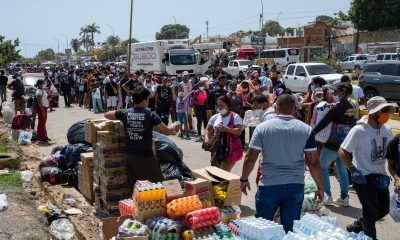
UN warns Venezuela earthquakes could affect up to 6.76 million people