
International
Food prices send hunger soaring in Latin America: UN agencies

| By AFP |
Rising food prices in Latin America and the Caribbean caused the number of people going hungry in the region to rise by more than 13 million between 2019 and 2021, a United Nations report said Tuesday.
The report by three UN agencies said the region was particularly vulnerable to the global food crisis caused by Russia’s war in Ukraine due to a high reliance on wheat, maize and fertilizer imports.
“The number of people in the region suffering from hunger increased by 13.2 million to 56.5 million,” read the report, released at a press conference in Santiago, Chile.
In addition, moderate or severe food insecurity affected 267.7 million people — 40.6 percent of the region’s population — in 2021.









This is “far above the world average” of 29.3 percent, said the report.
“The rise in food inflation and extreme poverty is one of the factors behind the increase in food insecurity and hunger,” said the report by the Economic Commission for Latin America and the Caribbean (ECLAC), the Food and Agriculture Organization (FAO) and the World Food Programme (WFP).
According to the FAO, food insecurity refers to a lack of regular access to healthy and nutritious food.
“The heavy reliance on imported fertilizers, and fluctuating food prices, have an unavoidable negative impact on livelihoods — mainly of the rural population — and access to healthy food,” said Mario Lubetkin, FAO Assistant Director-General.


















International
Brazil helicopter crash in Rio de Janeiro kills six, including pilots and international figures
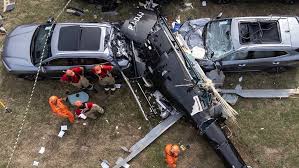
The Rio de Janeiro Civil Police confirmed on Monday the identities of three of the six victims killed in a helicopter collision that occurred the previous morning in the Recreio dos Bandeirantes neighborhood.
All three identified victims are Brazilian nationals: the pilots of the aircraft, Charles Marsillac and Alexandre Souza, and music producer Lucas Brito.
The identities of the three foreign victims have not yet been officially confirmed. They include U.S. singer Oliver Tree, Argentine YouTuber Gaspar Prim—known online as “Gaspi”—and Argentine producer Lucas Vignale, all of whom were listed on the flight manifest.
According to police, forensic experts from the Legal Medical Institute have already collected DNA samples in order to identify the foreign victims, whose bodies were severely burned.
One of the helicopters crashed into a private parking lot, triggering a fire that destroyed around twenty electric vehicles. That aircraft was carrying the pilot and four passengers, including the three foreign nationals.
The second helicopter, which had only the pilot on board, crashed approximately 100 meters away from the first impact site.
Rio de Janeiro’s deputy mayor, Eduardo Cavaliere, stated that both helicopters were operating transport flights toward Angra dos Reis on the Rio coastline and toward the mountainous region of the state.
Oliver Tree, 32, was in Brazil as part of an international tour. The artist, known for songs such as “Life Goes On” and “Miss You,” had performed to a large audience in São Paulo a week earlier and was scheduled to continue his tour in Europe.
Argentine content creator Gaspar Prim, 23, had built a following of more than two million on social media platforms, gaining popularity for humorous and often controversial video productions that had occasionally been removed by hosting platforms.
International
Mexico and U.S. Launch New Bilateral Security Group to Combat Fentanyl and Organized Crime
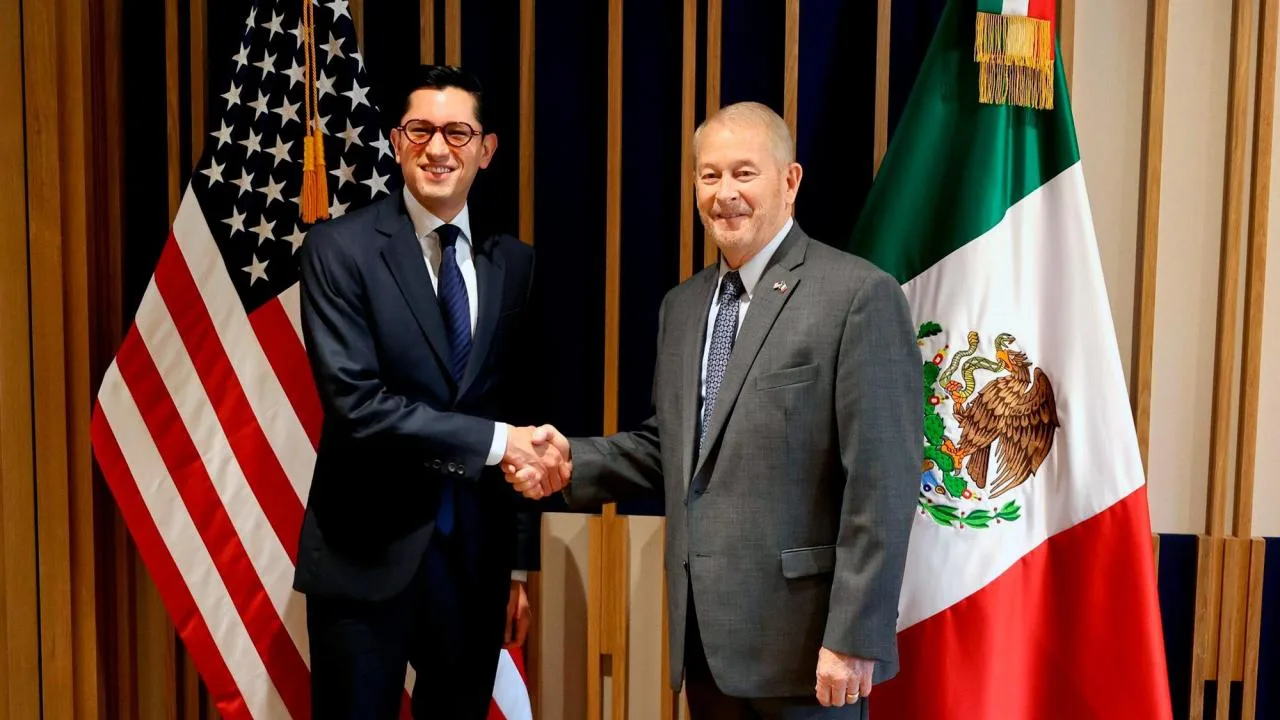
The governments of Mexico and the United States officially launched the Bilateral Implementation Group (BIG) on Friday, a new initiative aimed at strengthening cooperation on security issues and enhancing joint efforts against transnational crime.
In a statement, U.S. Ambassador to Mexico Ronald Johnson announced that he and Deputy Foreign Minister Roberto Velasco addressed officials from both countries who will lead what he described as a “new phase of bilateral cooperation.” The initiative seeks to curb the flow of fentanyl and other illicit drugs, illegal firearms, and human trafficking across the shared border.
Earlier this week, Mexico’s Ministry of Foreign Affairs had confirmed that senior security officials from both nations would meet in Mexico City on June 12 to review and advance existing cooperation agreements.
Through social media, Ambassador Johnson explained that the new bilateral group is designed to improve coordination between the two governments by placing greater emphasis on implementation, accountability, and measurable results. The effort will also focus on combating transnational criminal organizations operating across North America.
“The participation of 15 U.S. government agencies, working alongside their Mexican counterparts, reflects the seriousness of this effort and our shared commitment to delivering measurable results,” Johnson said.
The ambassador also highlighted several achievements that he attributed to ongoing bilateral cooperation. According to Johnson, maritime drug trafficking into the United States has declined by more than 95 percent, while overdose deaths have fallen by 35 percent.
He further noted that Mexican authorities have seized more than 400 metric tons of illegal drugs and dismantled over 2,300 clandestine laboratories as part of their efforts to combat organized crime and narcotics production.
The launch of the Bilateral Implementation Group marks the latest step in the security partnership between Mexico and the United States, as both countries seek to address shared challenges related to drug trafficking, arms smuggling, human trafficking, and the activities of criminal networks operating across the region.
International
‘El Chapo’ Guzmán again asks Mexican president to seek his return from U.S. prison
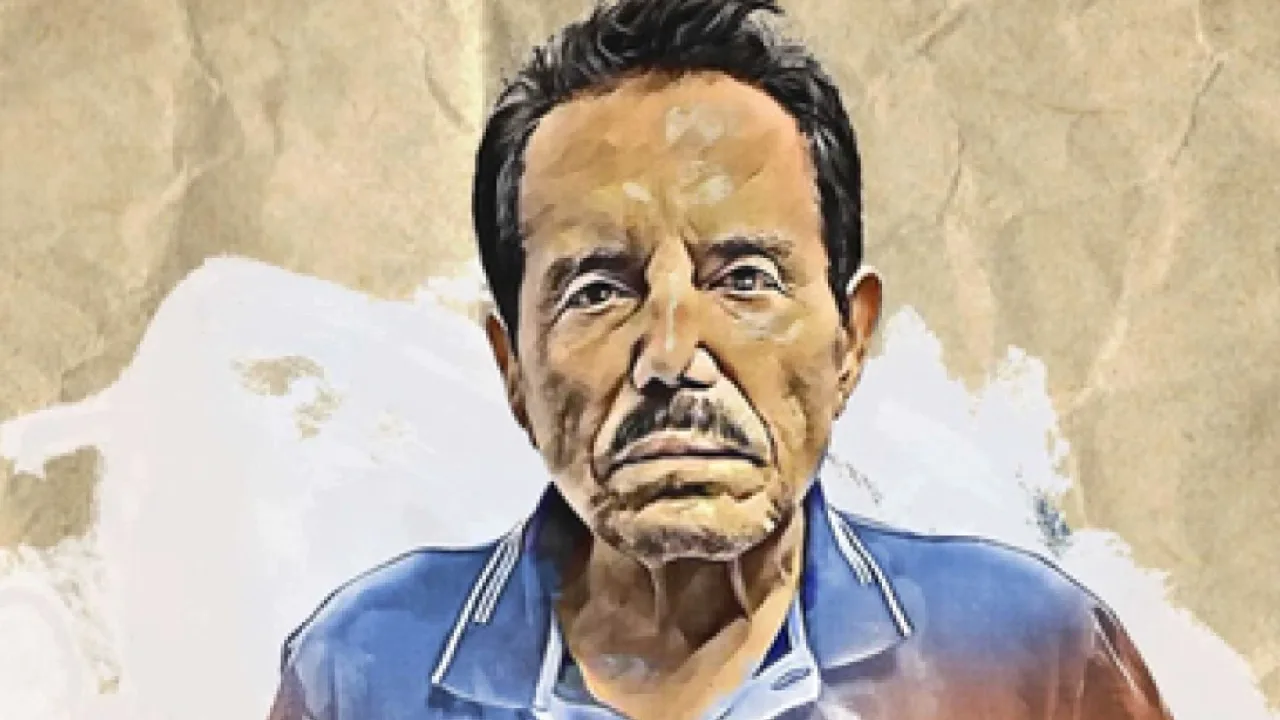
Convicted drug trafficker Joaquín “El Chapo” Guzmán has once again appealed to Mexican President Claudia Sheinbaum to intervene on his behalf and seek his transfer from the United States to Mexico, where he hopes to serve the remainder of his prison sentence.
Guzmán, the former leader of the Sinaloa Cartel, is currently serving a sentence of more than 50 years in the United States after being convicted in 2019 on multiple charges, including drug trafficking and money laundering.
According to reports, the latest request was made in a letter dated June 2, one of several messages that Guzmán has reportedly sent to Sheinbaum in recent months in an effort to secure his repatriation. In the letter, he expresses hope that the Mexican government can support the efforts of his legal team.
Written in English and by hand, the letter asks that he be allowed to complete his sentence in Mexico, arguing that such a transfer would enable him to receive visits from family members more easily.
Guzmán is currently being held at the United States Penitentiary Administrative Maximum Facility in Florence, Colorado, commonly known as the “Alcatraz of the Rockies,” one of the most secure prisons in the United States.
As in previous communications, the former cartel leader complained about his prison conditions, stating that he remains in near-total isolation and has little to no contact with other inmates.
He also reiterated his long-standing claim that he did not receive a fair trial in the United States and argued that the Mexican government bears responsibility for much of the violence associated with organized crime in the country.
In the letter, Guzmán maintains that his actions were motivated by a desire to protect himself and his family amid the violence linked to criminal organizations in Mexico.
Mexican authorities have not publicly indicated whether they plan to respond to the request. Guzmán remains one of the most notorious figures in the history of international drug trafficking and is serving his sentence under some of the strictest security measures in the U.S. prison system.


Nicaraguan media publishes photos of detained Indigenous leader amid calls for proof of life

Brazil helicopter crash in Rio de Janeiro kills six, including pilots and international figures

Mexico and U.S. Launch New Bilateral Security Group to Combat Fentanyl and Organized Crime
Tec de Monterrey honors one of its students for his contribution to nanotechnology in medicine

Defense Minister commends salvadoran soldier for Central American Cross Country victory

Extension of the state of emergency approved in southern Chile
-

 Sin categoría4 days ago
Energy chief says U.S. will restore Gulf oil shipments and refill strategic reserves
-
 International4 days ago
‘El Chapo’ Guzmán again asks Mexican president to seek his return from U.S. prison
-
 Central America13 hours ago
Nicaraguan media publishes photos of detained Indigenous leader amid calls for proof of life
-
 International5 days ago
U.S. Halts Military Action Against Iran Amid Diplomatic Breakthrough
-
 International5 days ago
Iván Cepeda Open to Revising Colombia’s Peace Policy Ahead of Runoff Election
-
 International3 days ago
Mexico and U.S. Launch New Bilateral Security Group to Combat Fentanyl and Organized Crime
-
 Central America5 days ago
U.S. Authorities Accuse Guatemalan Nationals of Using False Information to Sponsor Migrant Minors
-
International13 hours ago
Brazil helicopter crash in Rio de Janeiro kills six, including pilots and international figures