
International
Brazil’s unemployment continues to fall to new seven-year low
January 19 | By AFP |
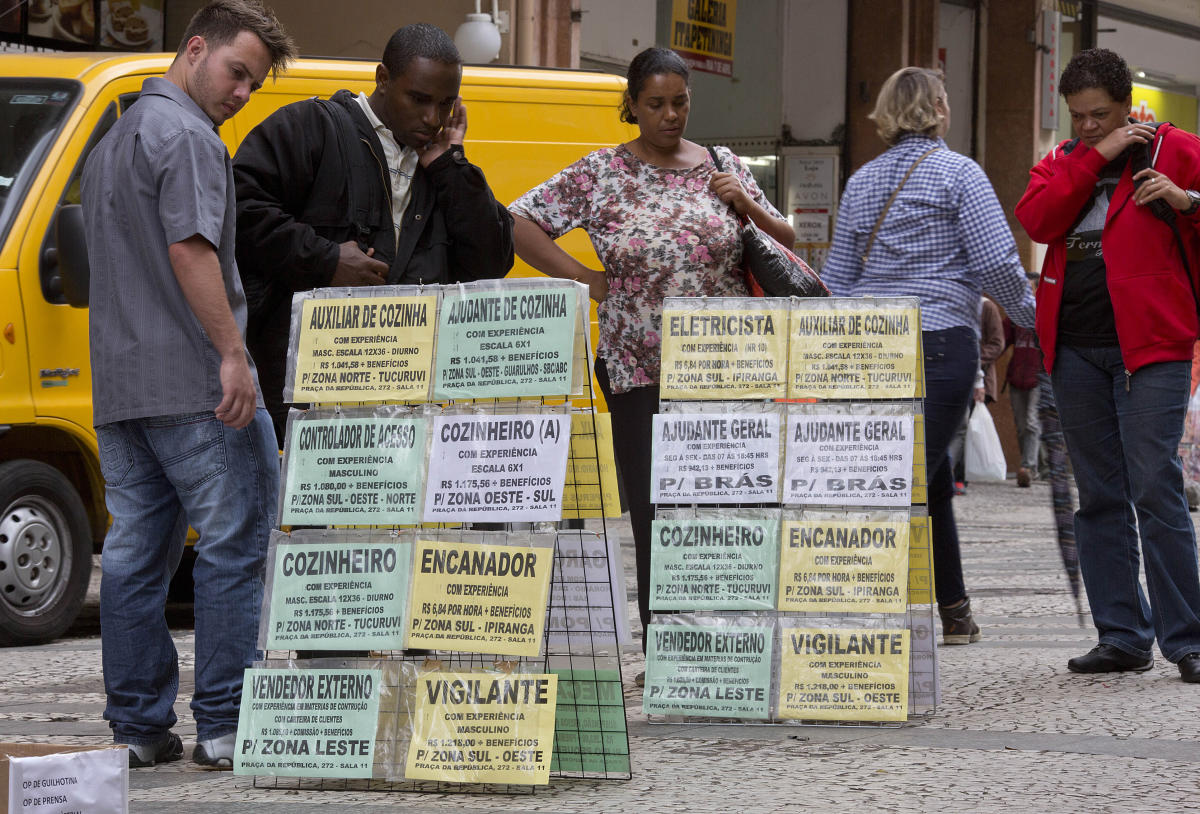
Brazil’s unemployment continued to fall in the three months from September to November 2022, hitting a new seven-year low of 8.1 percent, official figures published on Thursday showed.
It is the sixth successive rolling quarter that unemployment figures have fallen, reaching the lowest figure since April 2015.
With 8.7 million people seeking employment, that is 3.7 million fewer than a year ago, the IBGE statistics institute said.
Unemployment in Latin America’s biggest economy is down 0.8 percent on the previous rolling quarter, and 3.5 percent down on the equivalent period in 2021, when unemployment sat at 11.6 percent.









Brazil continues to recover from the economic crash caused by the Covid-19 pandemic, during which employment soared to a high of 14.7 percent in the first quarter of 2021.
The improved figures come from the end of far-right former president Jair Bolsonaro’s term in office.
He was replaced January 1 by veteran socialist Luiz Inacio Lula da Silva, who narrowly defeated Bolsonaro in October’s fractious elections.
Lula has promised to improve the spending power of the lowest paid workers and to boost social programs.
Real revenues jumped three percent compared to the previous rolling quarter and were up 7.1 percent on the equivalent period in 2021.
But 38.8 million out of Brazil’s 215 million population work in the informal sector, mostly without an employment contract and in precarious conditions.









































International
ICE agent arrested in Texas over shooting of Venezuelan migrant in Minnesota
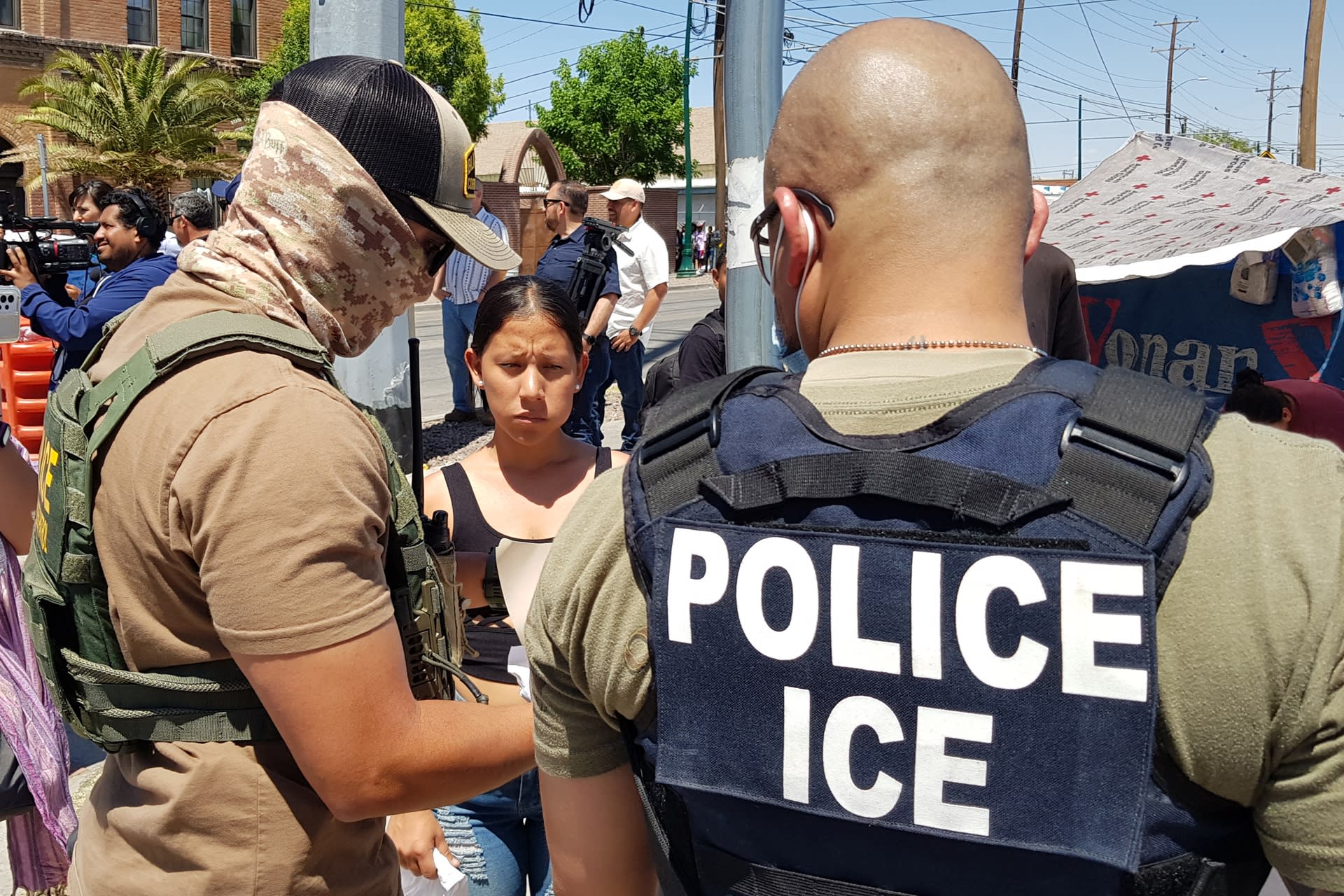
U.S. authorities arrested an Immigration and Customs Enforcement (ICE) agent on Friday in Texas after he was accused of shooting a Venezuelan migrant in Minnesota earlier this year and later providing false information about the incident.
The suspect, identified as Christian Castro, faces four counts of second-degree assault, along with an additional charge related to filing a false official report. He was taken into custody after investigators from the Minnesota Bureau of Criminal Apprehension located him, according to a statement from the Hennepin County Attorney’s Office.
The case stems from a January operation carried out by ICE during which Castro shot Julio César Sosa, a Venezuelan migrant, in the leg. Prosecutors allege that the agent later submitted a misleading account of the incident, claiming that Sosa and another migrant had attacked officers with a shovel and a broomstick.
However, investigators say that video evidence and further findings contradicted that version of events, leading to the dismissal of charges initially brought against the migrants by federal prosecutors.
ICE’s acting director, Todd Lyons, acknowledged in February that agents involved in the incident had given “false sworn testimony” about what occurred.
Hennepin County Attorney Mary Moriarty described Friday’s arrest as a “critical step forward” in the judicial process and reaffirmed that the investigation remains ongoing.
International
U.S. classifies CV and PCC as terrorist groups in major policy shift
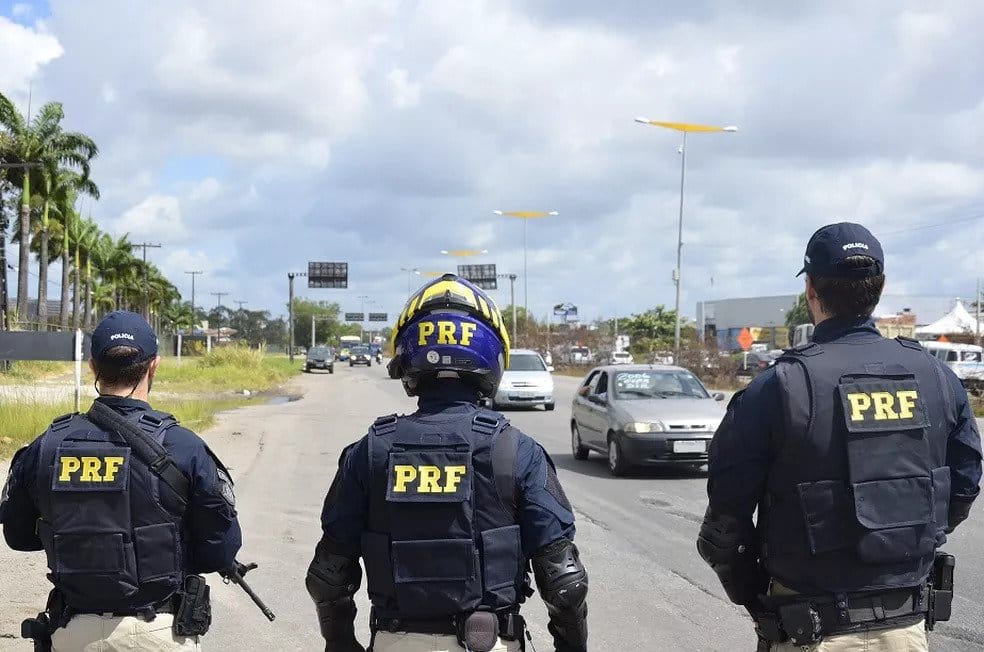
The United States government announced on Thursday that it will add the Brazilian criminal organizations Comando Vermelho (CV) and Primeiro Comando da Capital (PCC) to its list of Foreign Terrorist Organizations (FTO), a designation set to take effect on June 5, 2026.
The State Department justified the decision by stating that both groups are among the most powerful criminal organizations in Brazil and accused them of coordinating violent attacks against police officers, public officials, and civilians.
The designation comes just days after Brazilian senator and presidential hopeful Flávio Bolsonaro directly asked U.S. President Donald Trump to classify these groups as “narco-terrorist” organizations during a visit to the White House.
Bolsonaro, who is running in Brazil’s upcoming presidential election in October, has made tougher action against organized crime and prison-based gangs a central part of his campaign platform.
He is part of a political dispute with current Brazilian President Luiz Inácio Lula da Silva, who has opposed the U.S. classification, warning it could open the door to potential foreign military intervention in Brazilian territory.
The Comando Vermelho and Primeiro Comando da Capital emerged in Brazilian prisons during the 1970s and have since expanded their influence, now controlling extensive criminal activities including drug trafficking, extortion, smuggling, and other illicit operations.
According to security experts and Brazilian authorities, both organizations have tens of thousands of members and support networks spread across multiple states in the country.
The U.S. measure aims to increase financial and operational pressure on these groups by restricting funding sources, limiting international mobility, and expanding cooperation in security enforcement efforts.
International
U.S.–Iran pre-agreement aims to de-escalate tensions and secure key trade route

The United States confirmed on Thursday that its negotiators have reached a preliminary agreement with Iran aimed at reopening the Strait of Hormuz and extending the current ceasefire, though the understanding still requires final approval from U.S. President Donald Trump.
U.S. government sources confirmed information first reported exclusively by Axios, stating that the deal now only awaits the president’s endorsement.
According to Axios, citing two senior U.S. officials, the draft agreement stipulates that navigation through the Strait of Hormuz—previously blocked by Iran in response to U.S. and Israeli military actions—would be “unrestricted.”
The agreement reportedly includes provisions under which Iran would not impose transit fees in the strategic waterway, a critical route for global oil shipments. In parallel, the United States would lift maritime restrictions on vessels entering and leaving Iranian ports.
The memorandum of understanding also contains a commitment from Iran not to develop nuclear weapons, a key red line for President Trump. However, discussions on limiting Iran’s uranium enrichment would be postponed to later negotiations.
These issues are expected to be addressed during a 60-day extension of the ceasefire, which has been in place since April.
In addition, the United States would consider easing sanctions on Iran and releasing frozen Iranian assets as part of the broader diplomatic framework.
Negotiations between Washington and Tehran have intensified over the past week with mediation from Pakistan, as both sides seek to formally end the conflict that began on February 28 involving the United States and Israel.
The White House has recently stated that a deal was “a matter of days away,” while Tehran has tempered expectations, suggesting that an agreement is not yet imminent.


Honduras marked National Tree Day on Saturday amid growing concerns over the future of its forests, as a new study warned that the country’s woodland cover could disappear within the next 21 years if current rates of deforestation continue. The report, released by the Institute for Justice in partnership with the Association for a More Just Society (ASJ), projects that Honduras could lose all of its forests by 2045 if the average annual forest loss recorded between 2022 and 2024, estimated at 2.25%, remains unchanged. “If we continue with the same forest loss trend observed from 2022 to 2024, Honduran forests will disappear in 21 years, by 2045,” the study states. It adds that if the longer-term trend recorded since 2013, averaging 0.66% annually, persists, the country’s forests could vanish by 2094. Illegal and legal logging, forest fires, and pest infestations were identified as some of the main factors contributing to the degradation of thousands of hectares of forest across the Central American nation. According to various sources cited in the report, between 60,000 and 80,000 hectares are affected by forest fires each year. Many of these blazes are believed to be human-caused, with the study estimating that eight out of every ten forest fires in Honduras result from deliberate actions. The departments of Francisco Morazán, Olancho, and Colón were highlighted as the areas with the highest levels of logging activity. Large trucks transporting pine logs to sawmills are a common sight on major highways in these regions, while the harvesting of valuable hardwood species also continues to put pressure on forest resources. The report comes as Honduras experiences one of its most severe wildfire seasons in recent years. Authorities attribute part of the increase in fires to extreme heat linked to climate change, with temperatures reaching as high as 42 degrees Celsius in some parts of the country. Honduras covers approximately 112,492 square kilometers, with more than half of its territory classified as forested land, making forest conservation a critical environmental challenge for the nation.

ICE agent arrested in Texas over shooting of Venezuelan migrant in Minnesota

Rubén Gallego says U.S. policy may push for Cuba regime change under Trump administration
Tec de Monterrey honors one of its students for his contribution to nanotechnology in medicine

Defense Minister commends salvadoran soldier for Central American Cross Country victory

Extension of the state of emergency approved in southern Chile
-
 International2 days ago
U.S. classifies CV and PCC as terrorist groups in major policy shift
-
 International4 days ago
Diplomatic Talks Continue as Iran Accuses U.S. of Ceasefire Violations
-
 International4 days ago
Omar García Harfuch Announces Arrest of “El Chapo’s” Nephew
-
 International3 days ago
Mexico Denies Interpol Red Notice Against Sinaloa Governor Rubén Rocha Moya
-

 Central America5 days ago
Opposition leader highlights migration crisis in Panama speech
-
 International4 days ago
Rubio and Lavrov Hold Talks After Large-Scale Russian Assault on Ukraine
-
 Central America3 days ago
Guatemala Dismantles Largest Cocaine Lab Found in 15 Years Near Mexico Border
-

 International2 days ago
U.S.–Iran pre-agreement aims to de-escalate tensions and secure key trade route
-
 Sin categoría1 day ago
Rubén Gallego says U.S. policy may push for Cuba regime change under Trump administration
-
 International1 day ago
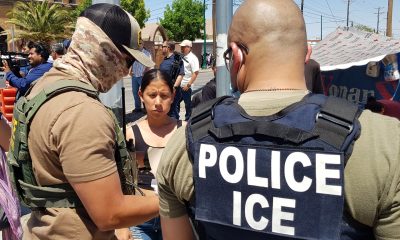
ICE agent arrested in Texas over shooting of Venezuelan migrant in Minnesota
-
 International5 days ago
Ecuador’s Noboa vows to continue “war” on criminal groups
-
 International3 days ago
Interpol Operation Leads to 8,700 Arrests and Massive Drug Seizures Across Latin America