
International
Canada flies military aircraft over Haiti to help fight gangs

February 6th |
The Canadian government said Sunday it deployed a military aircraft over Haiti to address what it called an “extreme security situation” and to support efforts to disrupt Haitian gang activities.
Canada explained in a statement that it is supporting the Haitian National Police and deployed a Royal Canadian Air Force CP-140 Aurora long-range patrol aircraft in response to Haiti’s request for support as violence continues to escalate in the country.
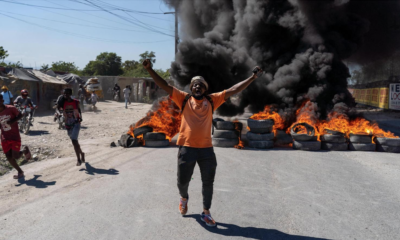
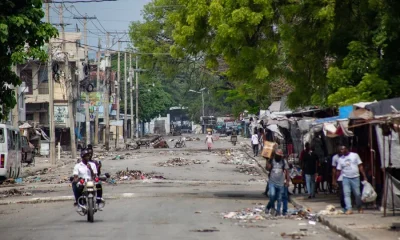
Haitian gangs have expanded their territory since the 2021 assassination of President Jovenel Moise. The resulting violence has left much of the country off limits to the government and has led to routine shootouts with police.
Haiti is expected to be on the agenda for U.S. President Joe Biden’s visit to Canada next month.









The Canadian patrol aircraft will provide intelligence, surveillance and reconnaissance capabilities to strengthen efforts to establish and maintain peace, and will remain in the region “for several days,” the Canadian government said.
In October, the UN suggested sending a “rapid action force” to Haiti to combat escalating violence by armed gangs, whose turf battles have left hundreds dead and thousands displaced.
However, many have expressed skepticism, citing abuses from previous missions and questioning whether a force would back Prime Minister Ariel Henry’s government, which has been without democratically elected representatives since early January.
Most countries have been reluctant to send troops, although nearby Jamaica said it would be willing to participate and El Salvador offered “technical assistance.”
About seven out of 10 Haitians support the proposal to create an international force to help the national police combat armed gang violence, according to a January poll.




















Central America
El Salvador y Chile fortalecen relaciones diplomáticas con nueva agenda de cooperación
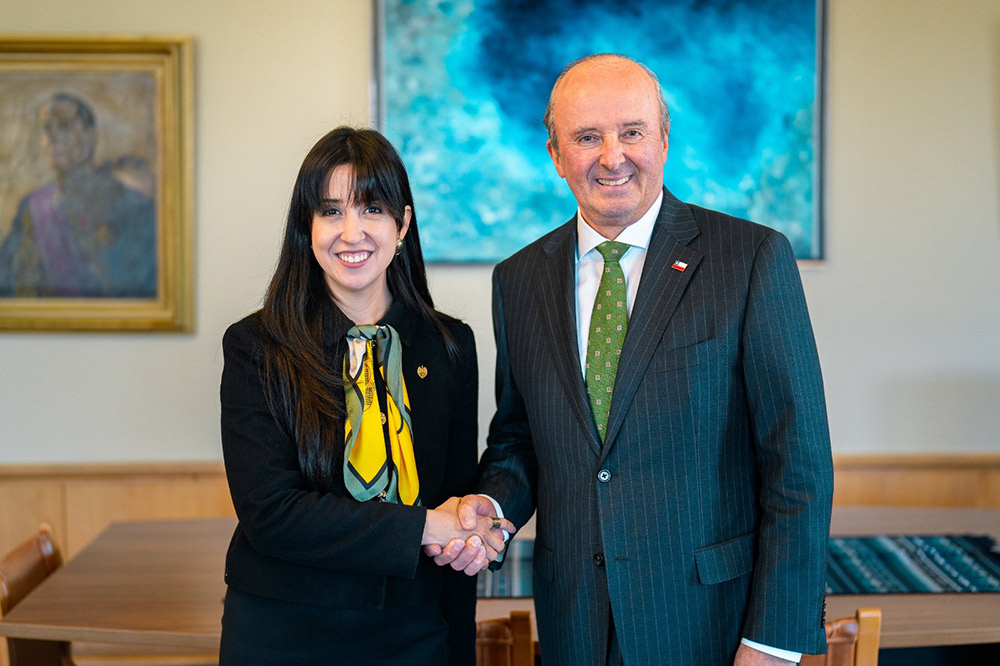
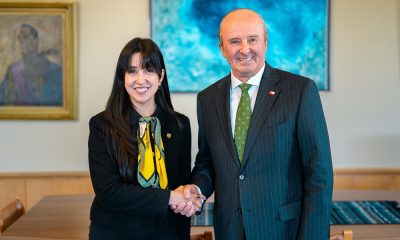
El Salvador y Chile avanzan en el fortalecimiento de sus relaciones diplomáticas y de cooperación con la visita oficial de la vicecanciller salvadoreña, Adriana Mira, al país sudamericano.
El objetivo del encuentro es ampliar los intercambios económicos, promover nuevas oportunidades de cooperación y consolidar los vínculos de amistad entre ambas naciones, según informó la Cancillería de El Salvador.
Durante su visita, Mira sostuvo una reunión con su homólogo chileno, Patricio Torres, con quien abordó temas de interés común y acciones destinadas a dinamizar la relación bilateral.
Entre los puntos tratados destacan la promoción del comercio, el impulso de inversiones en sectores estratégicos y el fortalecimiento del trabajo conjunto en distintas áreas de cooperación.
Como parte de esta agenda, ambos países preparan la V Reunión de la Comisión Mixta de Cooperación Técnica y Científica, en la que se establecerá un nuevo marco de colaboración bilateral orientado a generar beneficios para ambas naciones.
El encuentro también tuvo un componente histórico, ya que durante 2026 El Salvador y Chile conmemoran 150 años del establecimiento de sus relaciones diplomáticas.
Ante esta fecha significativa, representantes de ambos gobiernos destacaron la importancia de continuar estrechando los lazos de hermandad y cooperación para impulsar el desarrollo conjunto.
La Cancillería salvadoreña señaló que la relación entre ambos países busca avanzar hacia una mayor integración en materia económica, comercial y técnica, aprovechando las oportunidades de colaboración existentes.
International
WHO Expects Deadly Hantavirus Outbreak on Cruise Ship to End by July 2
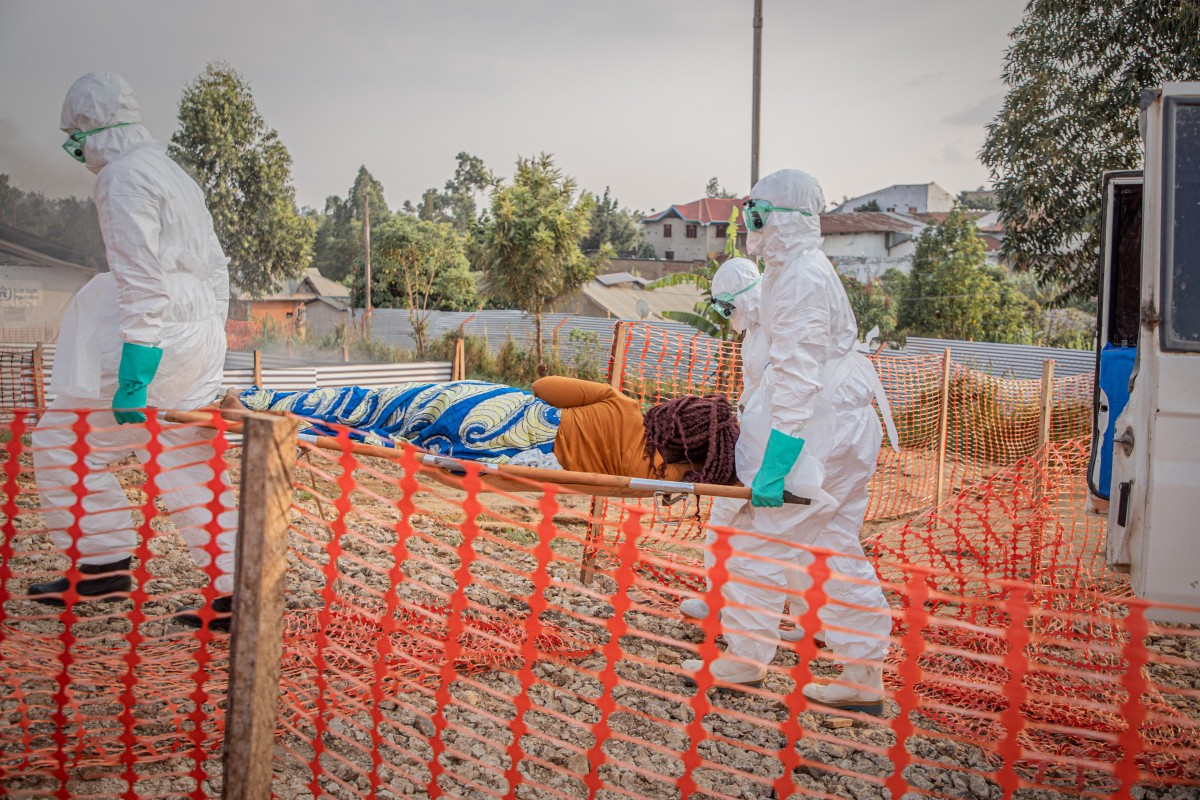
The deadly hantavirus outbreak linked to a cruise ship that triggered an international health alert is expected to be officially declared over on July 2, the World Health Organization (WHO) announced on Wednesday.
However, while the outbreak is nearing its end for people who remain under quarantine, scientists and health experts say their work is only beginning. Researchers will study virus samples to determine whether new diagnostic tests, treatments, and vaccines can be developed to help prevent future outbreaks.
The outbreak involved 12 confirmed cases and one probable case associated with the Dutch-flagged cruise ship MV Hondius, including three deaths.
The vessel departed on April 1 from Ushuaia, Argentina, traveling toward remote islands in the South Atlantic, including Tristan da Cunha, before heading north to Tenerife in Spain’s Canary Islands, where the remaining passengers were evacuated.
WHO Director-General Tedros Adhanom Ghebreyesus said that health authorities identified and monitored more than 650 contacts across 33 countries and territories following the outbreak.
“All but 54 contacts have completed their quarantine period, and the remaining contacts are expected to complete their quarantine by July 2,” Tedros said during a press briefing at WHO headquarters in Geneva.
“If no additional cases are reported by then, WHO will consider the outbreak to be over,” he added.
Although the immediate public health threat appears to be declining, experts emphasized that continued scientific analysis of the virus will be essential to strengthen preparedness and response measures for possible future outbreaks.
International
U.S. Proposes Higher Citizenship Fees and Limits on Immigration Fee Waivers
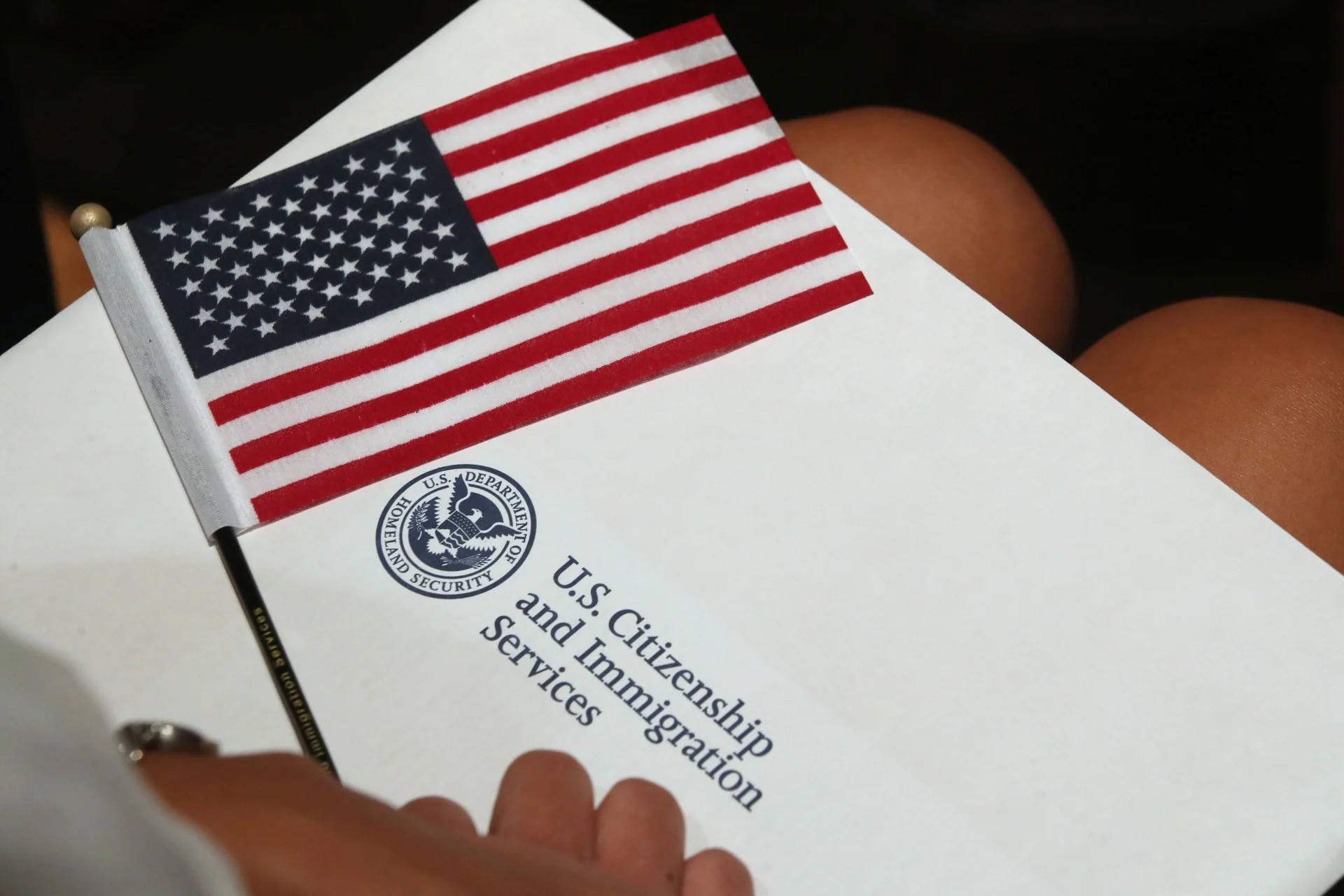
The U.S. Department of Homeland Security (DHS) has proposed increasing fees related to citizenship applications, while also seeking changes to programs that reduce or waive immigration-related costs for certain applicants.
The proposal would eliminate fee waivers and reduced-fee programs for immigrants whose household incomes are at or below 400% of the federal poverty level.
However, the changes would not take effect immediately. Before receiving final approval, the proposal must go through a 60-day public comment period, allowing individuals and organizations to submit feedback.
DHS justified the proposed increases by stating that the goal is to fully cover the costs associated with processing citizenship and naturalization applications.
“Although the Department of Homeland Security has historically limited form fees to promote naturalization, the agency no longer considers that these applications should have lower costs at the expense of other immigration benefits,” the department said in the proposal document.
If approved, the reform would modify the current immigration fee structure and could impact thousands of applicants who rely on financial assistance programs to complete their citizenship process.
U.S. authorities said the measure is part of a broader review of immigration service fees and the mechanisms used to fund the administration of these programs.


El Salvador y Chile fortalecen relaciones diplomáticas con nueva agenda de cooperación

WHO Expects Deadly Hantavirus Outbreak on Cruise Ship to End by July 2

U.S. Proposes Higher Citizenship Fees and Limits on Immigration Fee Waivers
Tec de Monterrey honors one of its students for his contribution to nanotechnology in medicine

Defense Minister commends salvadoran soldier for Central American Cross Country victory

Extension of the state of emergency approved in southern Chile
-

 International1 day ago
Cristiano Ronaldo Makes History as First Player to Score in Six World Cups
-
 International2 days ago
UNHCR Urges U.S. Deportation Agreements to Uphold Asylum Rights and International Law
-

 International2 days ago
Mbappé Ties Klose on All-Time World Cup Scoring List After Brace Against Iraq
-
 International1 day ago
U.S. Proposes Higher Citizenship Fees and Limits on Immigration Fee Waivers
-

 Central America1 day ago
Costa Rica Launches Largest Police Operation in History, Dismantles Major Drug Cartel
-

 Central America2 days ago
Ancient Maya Ceremonial Site Reveals New Clues About Preclassic Ritual Practices
-
 International4 minutes ago
WHO Expects Deadly Hantavirus Outbreak on Cruise Ship to End by July 2
-
 Central America1 minute ago
El Salvador y Chile fortalecen relaciones diplomáticas con nueva agenda de cooperación