
International
“We have to generate more fissures in commands that support Ortega,” says Nicaraguan opponent
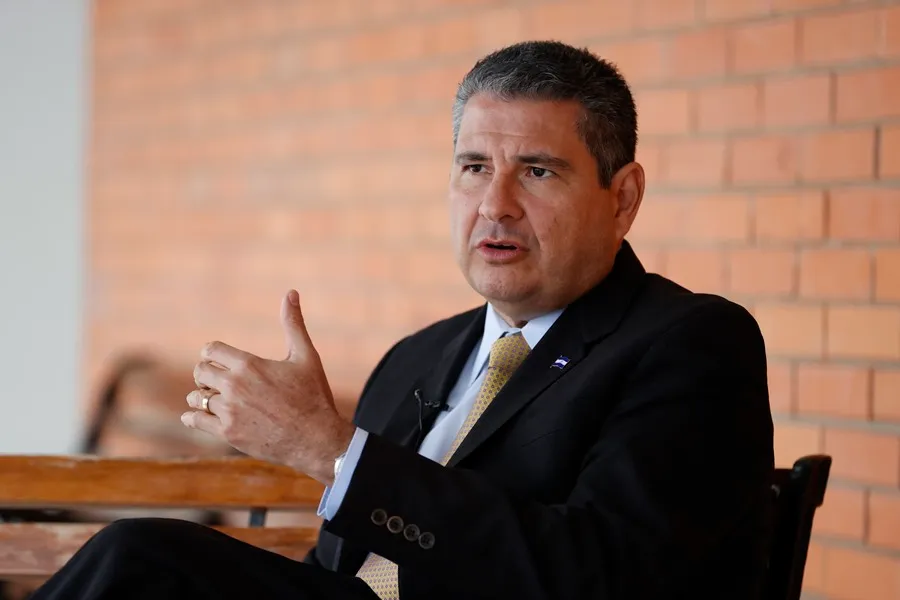
Former Nicaraguan presidential candidate Juan Sebastián Chamorro said in an interview with EFE that Daniel Ortega’s regime is increasingly similar to that of North Korea, for its cruelty and histrionism, and asked the opposition not to give up in its attempt to “generate more fissures” in the commands that hold the Sandinista leader.
Chamorro, 53, was one of the 222 political prisoners who in February 2023 were banished to the United States and stripped of their nationality by “traitors” and “vendepatrias”.
Considered one of the main opponents of the regime and a member of one of the best-known families in Nicaragua – his aunt Violeta Barrios de Chamorro was president between 1990 and 1997 -, the economist is in Paraguay to denounce within the framework of the 54th General Assembly of the Organization of American States (OAS) that Nicaragua “has become a huge prison.”
“We were in prison for 611 days as political prisoners, but there are more than 6 million Nicaraguans who currently live in prison: all civil and political freedoms are violated,” he said.
Although Nicaragua formally left the OAS last November on the initiative of Ortega himself, the organization’s plenary will analyze until this Friday the crisis unleashed in the country after the massive protests of April 2018, which left at least 355 dead, according to the Inter-American Commission on Human Rights (IACHR).









“Even the Nicaraguan Academy of Language, the Boy Scouts and the Red Cross have been eliminated. They have even canceled NGOs that gave shelter to stray dogs and cats! That is the level of repression we are experiencing,” Chamorro added.
Ortega, who returned to power in 2007 and since 2017 has governed with his wife, Rosario Murillo, has established a “family dynasty,” which reminds Chamorro of both the absolutist monarchies of centuries ago and the current regime that governs from Pyongyang: “We are Latin American North Korea.”
“We are not talking about a Cuban-style dictatorship, where the Communist Party chooses within its undemocratic mechanisms, where there is a certain institutionality. Ortega has destroyed his own party, the Sandinist National Liberation Front,” he explained.
This dynastic logic is, in his opinion, one of the great “weaknesses” of the regime, since it generates claims among its acolytes and truncates the aspirations of the highest commanders close to Ortega, but at the same time it is an opportunity for the opposition.
“We have to try to generate more fissures like the one we saw with his own brother,” he said in reference to Humberto Ortega Saavedra, former head of the Nicaraguan Army and one of the historical leaders of the Sandinista revolution.
In an interview with the Infobae media last May, the retired general launched unusual criticisms against the Government headed by his brother and sister-in-law and questioned the plans attributed to the presidential couple to designate their son, Laureano Ortega Murillo, as a successor.
Hours after the publication, National Police officers broke into Ortega Saavedra’s home and he was in total isolation.
“We must continue to send messages to the cadres and tell them that if they have not committed a crime, if they are not complicit in the commission of crimes against humanity or corruption, they have a space in the democratic Nicaragua of the future,” Chamorro added.
Despite certain voices that advocate an armed popular rebellion to remove Ortega from power, the former presidential candidate declared that the only way out is to continue diplomatically and economically close to the regime, although the peaceful struggle “is slower than the navy.”
“The statistics show that democratic and peaceful transitions are more effective,” he concluded.






International
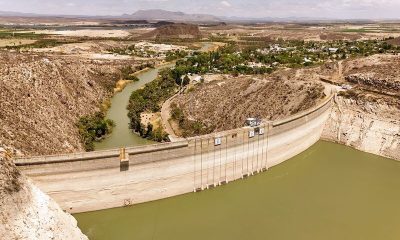
U.S. and Mexico Reach Deal to Address Water Deficit Under 1944 Treaty
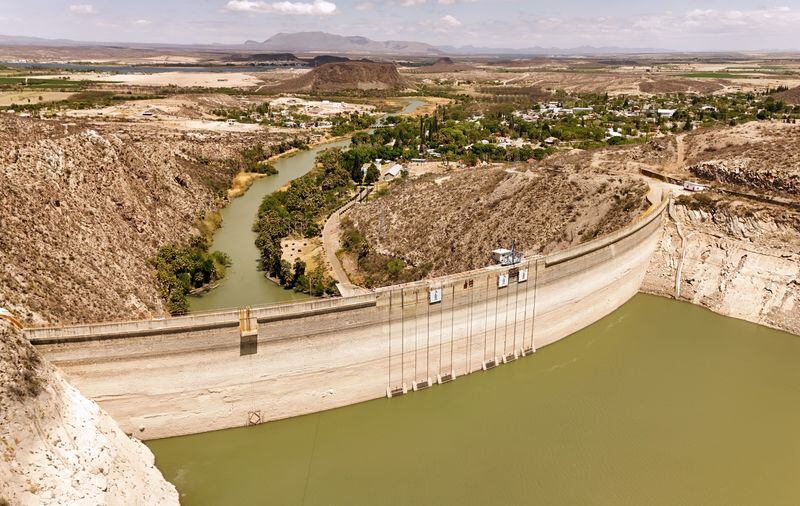
The United States and Mexico have reached an agreement to comply with current water obligations affecting U.S. farmers and ranchers and for Mexico to cover its water deficit to Texas under the 1944 Water Treaty, the U.S. Department of Agriculture said in a statement.
The department уточified that the agreement applies to both the current cycle and the water deficit from the previous cycle.
On Monday, U.S. President Donald Trump accused Mexico of failing to comply with the water-sharing treaty between the two countries, which requires the United States to deliver 1.85 billion cubic meters of water from the Colorado River, while Mexico must supply 432 million cubic meters from the Rio Grande.
Mexico is behind on its commitments. According to Washington, the country has accumulated a deficit of more than one billion cubic meters of water over the past five years.
“This violation is severely harming our beautiful crops and our livestock in Texas,” Trump wrote on Monday.
The Department of Agriculture said on Friday that Mexico had agreed to supply 250 million cubic meters of water starting next week and to work toward closing the shortfall.
Agriculture Secretary Brooke Rollins, quoted in the statement, said Mexico delivered more water in a single year than it had over the previous four years combined.
Trump has said that if Mexico continues to fall short of its obligations, the United States reserves the right to impose 5% tariffs on imported Mexican products.
Mexico’s Deputy Foreign Minister for North America, Roberto Velasco, said that a severe drought in 2022 and 2023prevented the country from meeting its commitments.
International
Several people shot in attack on Brown University campus
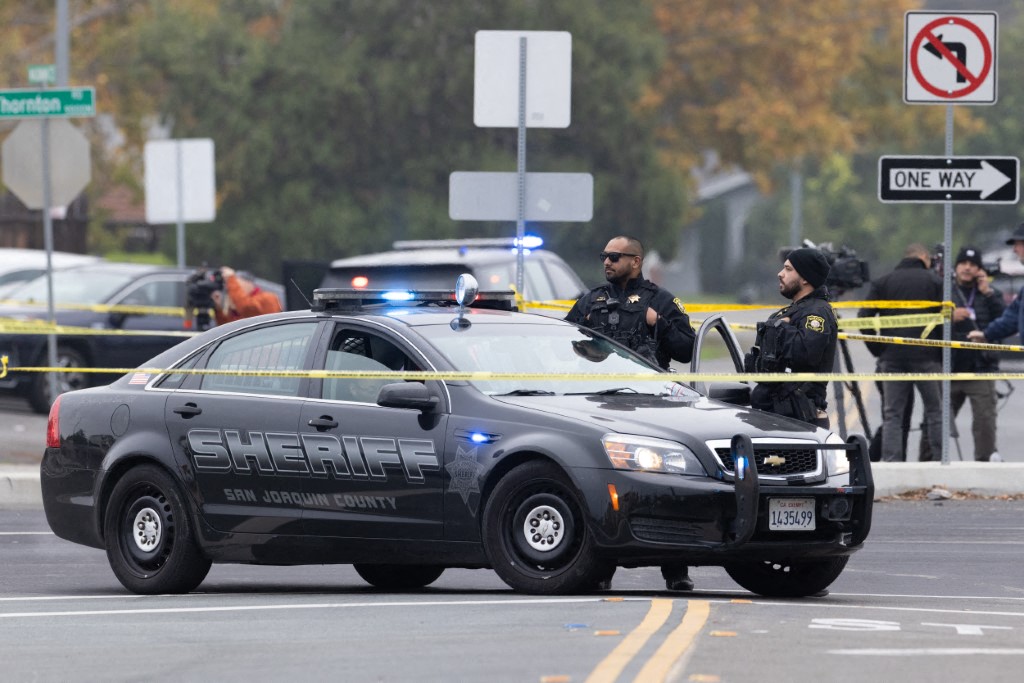
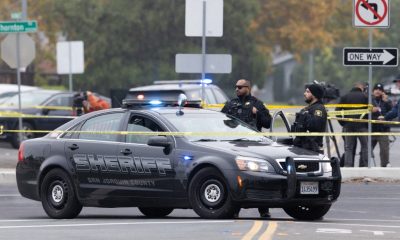
Several people were shot on Saturday in an attack on the campus of Brown University, in the northeastern United States, local police reported.
“Shelter in place and avoid the area until further notice,” the Providence Police Department urged in a post on X. Brown University is located in Providence, the capital of the state of Rhode Island.
U.S. President Donald Trump said on his social media platform Truth Social that he had been briefed on the situation and that the FBI was on the scene.
At 5:52 p.m. local time (11:52 p.m. GMT), Brown University said the situation was still “ongoing” and instructed students to remain sheltered until further notice.
After initially stating that the suspect had been taken into custody, Trump later posted a second message clarifying that local police had walked back that information. “The suspect has NOT been apprehended,” the U.S. president said.
International
Colombia says it would not reject Maduro asylum request as regional tensions escalate
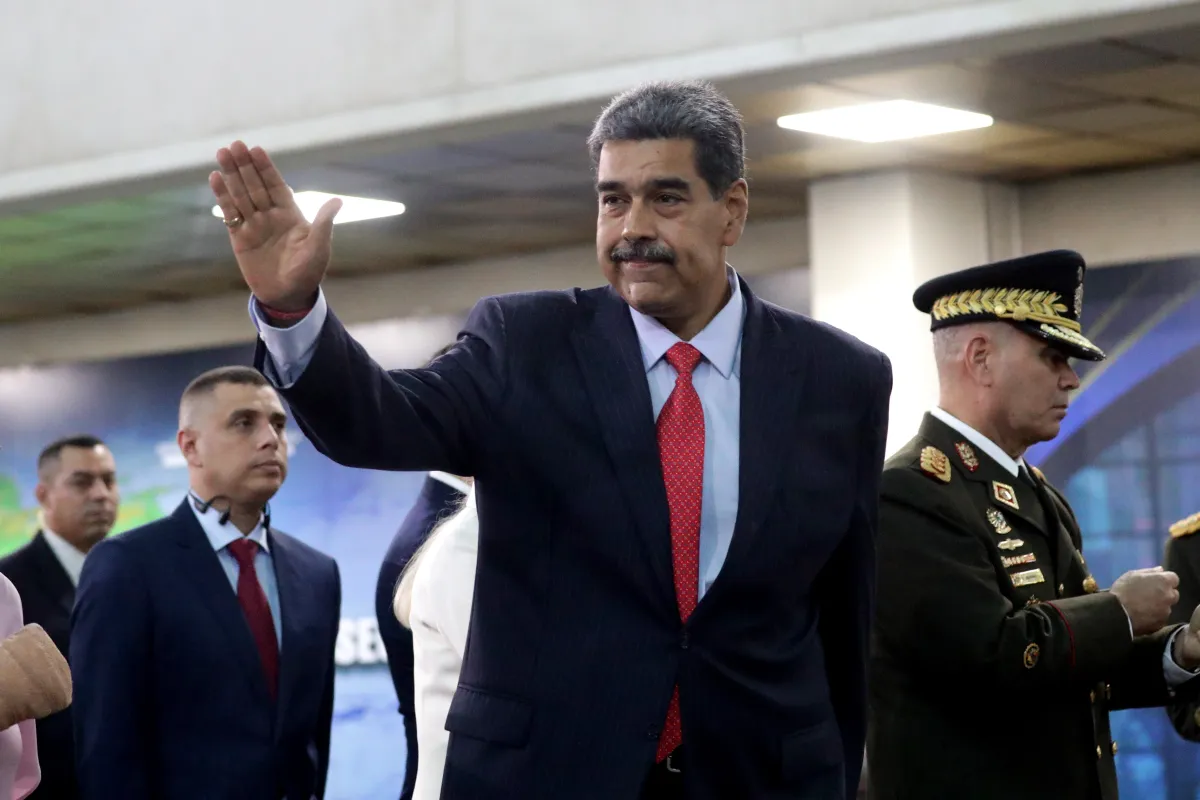
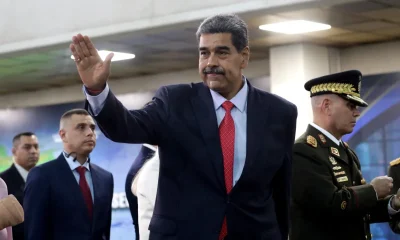
The Colombian government stated on Thursday that it would have no reason to reject a potential asylum request from Venezuelan President Nicolás Maduro should he leave office, as regional tensions persist over the deployment of U.S. military forces in the Caribbean since August.
“In the current climate of tension, negotiations are necessary, and if the United States demands a transition or political change, that is something to be assessed. If such a transition results in him (Maduro) needing to live elsewhere or seek protection, Colombia would have no reason to deny it,” said Colombian Foreign Minister Rosa Villavicencio in an interview with Caracol Radio.
However, Villavicencio noted that it is unlikely Maduro would choose Colombia as a refuge. “I believe he would opt for someplace more distant and calmer,” she added.
Colombian President Gustavo Petro also commented on Venezuela’s situation on Wednesday, arguing that the country needs a “democratic revolution” rather than “inefficient repression.” His remarks followed the recent detention and passport cancellation of Cardinal Baltazar Porras at the Caracas airport.
“The Maduro government must understand that responding to external aggression requires more than military preparations; it requires a democratic revolution. A country is defended with more democracy, not more inefficient repression,” Petro wrote on X (formerly Twitter), in a rare public criticism of the Venezuelan leader.
Petro also called for a general amnesty for political opponents and reiterated his call for forming a broad transitional government to address Venezuela’s prolonged crisis.
Since September, U.S. military forces have destroyed more than 20 vessels allegedly carrying drugs in Caribbean and Pacific waters near Venezuela and Colombia, resulting in over 80 deaths.
U.S. President Donald Trump has repeatedly warned that attacks “inside Venezuela” will begin “soon,” while Maduro has urged Venezuelans to prepare for what he describes as an impending external aggression.

Panama seizes over three tons of drugs hidden in Caribbean port container

U.S. and Mexico Reach Deal to Address Water Deficit Under 1944 Treaty

Several people shot in attack on Brown University campus
Tec de Monterrey honors one of its students for his contribution to nanotechnology in medicine

Defense Minister commends salvadoran soldier for Central American Cross Country victory

Extension of the state of emergency approved in southern Chile
-
 International4 days ago
Washington declares State of Emergency as atmospheric river brings severe flooding
-
 International4 days ago
U.S. to require five-year social media history from tourists under Visa Waiver Program
-
 International3 days ago
Cuba battles out-of-control dengue and chikungunya epidemic as death toll rises to 44
-
 Central America3 days ago
Honduras election crisis deepens as CNE president denounces intimidation attempts
-
Central America4 days ago
OAS and EU urge honduran political actors to respect vote results and avoid unrest
-
 International3 days ago
Colombia says it would not reject Maduro asylum request as regional tensions escalate
-
 International2 days ago
Several people shot in attack on Brown University campus
-
 International3 days ago
Ecuador on track for record violence as homicides hit highest level in Latin America again
-
 International4 days ago
Six ecuadorian soldiers jailed pending trial for alleged extrajudicial execution
-
 International2 days ago
U.S. and Mexico Reach Deal to Address Water Deficit Under 1944 Treaty
-
 Central America12 hours ago
Panama seizes over three tons of drugs hidden in Caribbean port container