
International
Education and young people are key to a “responsible digital future,” say the Duke and Duchess of Sussex in Colombia
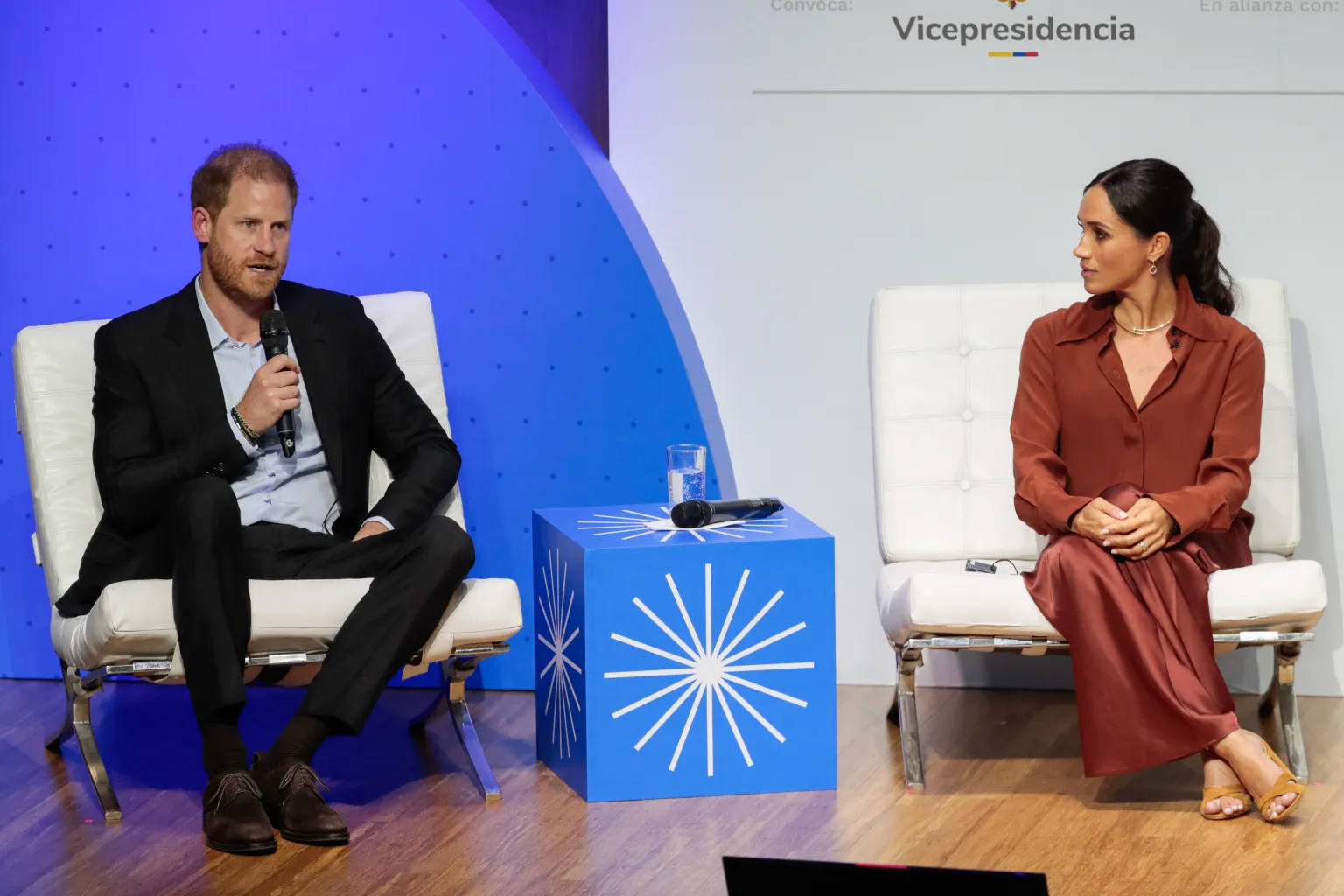
Education and young people are the keys to a “responsible digital future,” defended the Duke and Duchess of Sussex, Prince Harry and Meghan, in Colombia where they advance a visit focused on cyberbullying and online violence.
The dukes participated in the Responsible Digital Future Forum in Bogotá, where together with the vice president and minister of Equality of Colombia, Francia Márquez, and the journalist and Nobel Peace Prize winner Maria Ressa, they addressed technological challenges and how to build a digital future that works for all people, taking into account the most vulnerable.
“Artificial Intelligence (AI) is scary, and one of the solutions is education, since it is becoming increasingly difficult to stop this force from the source. It is up to us to determine the true of the false” in the digital world, said the Duke of Sussex.
The prince added that they were impressed with the visit they made to a school in the Colombian capital with the children and “the knowledge and awareness they have,” and concluded that: “responsibility and accountability are the things that I think would make the most difference” for a more responsible digital future.
“When you look at the statistics, young people in Latin America review social networks above the average, a total of 67 times a day (…) The digital age has created a culture in which if you don’t have something cruel, don’t say it, and that has radically changed the way we relate,” lamented the Duchess of Sussex.









In this sense, Meghan spoke from her mother’s perspective, being concerned about “how our children are going to adapt and how to keep them safe” in the digital age, something that has been “fundamental” in the activism that the couple is the flag.
“We have a responsibility to be an example for children,” the Duchess insisted.
“In this country young people are committing suicide, and many times it is the fault of social networks where they suffer harassment (…) When I reached the Vice Presidency I did not measure to what I was exposing myself, the amount of aggressions and violence that I have had to endure in these two years, not only me but my children and my partner, it is huge, many times I hate with severity,” lamented Márquez, who also attributed online violence to “the lack of laws.”
The Duke and Duchess of Sussex, Prince Harry and Meghan, began a four-day visit to Colombia this Thursday, where they will tour different parts of the country, learn about their biodiverse culture and wealth, and address current problems such as cyberbullying and online violence in schools and forums.
The duke and the duchess visited, along with the Colombian vice president, on their first day a school in the south of Bogotá, where they talked with students and teachers about how digital in education transforms lives and the importance of technology to close social gaps.
The visit “aims to open doors and lay doors to make visible and address a problem that today concerns all humanity: cyberbullying, violence in digital environments and discrimination,” the vice president told the media at a press conference at the Casa de Nariño (presidential headquarters).
But this visit, which is the first made by the dukes to Latin America and that occurs after the mother of the prince of Harry, Lady Di, did not make the trip she had planned to Colombia due to her hasty death, is “a great opportunity to visit our nation and show what we Colombians and Colombians are: people who in the midst of adversity do their best to give their best,” Márquez explained.
The visit will continue tomorrow with a tour of another school in Bogotá and from there on Saturday and Sunday the Duke and Duchess of Sussex will leave first for Cartagena de Indias, where they will be in San Basilio de Palenque, the first free town in Colombia, and on Sunday the city of Cali.






International
U.S. and Mexico Reach Deal to Address Water Deficit Under 1944 Treaty
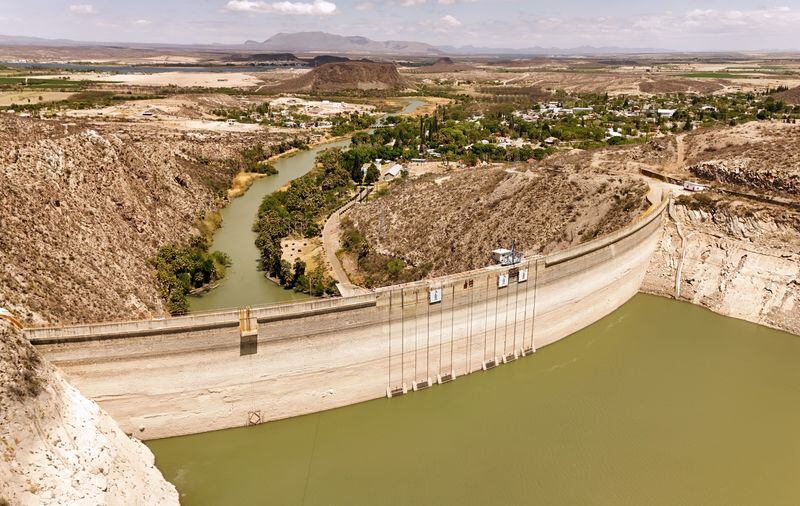
The United States and Mexico have reached an agreement to comply with current water obligations affecting U.S. farmers and ranchers and for Mexico to cover its water deficit to Texas under the 1944 Water Treaty, the U.S. Department of Agriculture said in a statement.
The department уточified that the agreement applies to both the current cycle and the water deficit from the previous cycle.
On Monday, U.S. President Donald Trump accused Mexico of failing to comply with the water-sharing treaty between the two countries, which requires the United States to deliver 1.85 billion cubic meters of water from the Colorado River, while Mexico must supply 432 million cubic meters from the Rio Grande.
Mexico is behind on its commitments. According to Washington, the country has accumulated a deficit of more than one billion cubic meters of water over the past five years.
“This violation is severely harming our beautiful crops and our livestock in Texas,” Trump wrote on Monday.
The Department of Agriculture said on Friday that Mexico had agreed to supply 250 million cubic meters of water starting next week and to work toward closing the shortfall.
Agriculture Secretary Brooke Rollins, quoted in the statement, said Mexico delivered more water in a single year than it had over the previous four years combined.
Trump has said that if Mexico continues to fall short of its obligations, the United States reserves the right to impose 5% tariffs on imported Mexican products.
Mexico’s Deputy Foreign Minister for North America, Roberto Velasco, said that a severe drought in 2022 and 2023prevented the country from meeting its commitments.
International
Several people shot in attack on Brown University campus
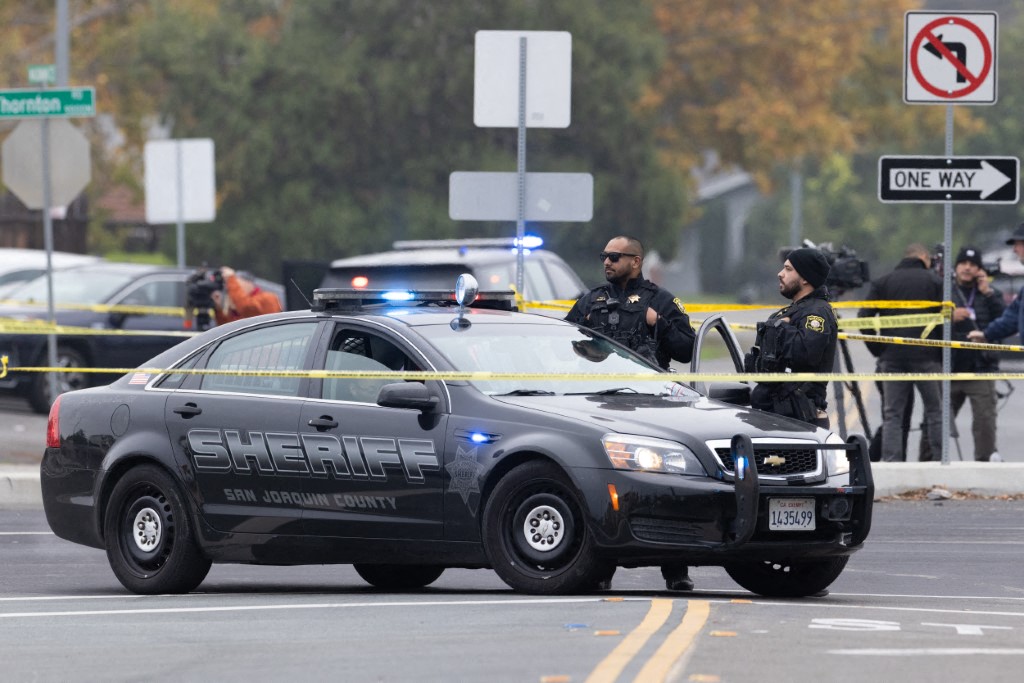
Several people were shot on Saturday in an attack on the campus of Brown University, in the northeastern United States, local police reported.
“Shelter in place and avoid the area until further notice,” the Providence Police Department urged in a post on X. Brown University is located in Providence, the capital of the state of Rhode Island.
U.S. President Donald Trump said on his social media platform Truth Social that he had been briefed on the situation and that the FBI was on the scene.
At 5:52 p.m. local time (11:52 p.m. GMT), Brown University said the situation was still “ongoing” and instructed students to remain sheltered until further notice.
After initially stating that the suspect had been taken into custody, Trump later posted a second message clarifying that local police had walked back that information. “The suspect has NOT been apprehended,” the U.S. president said.
International
Colombia says it would not reject Maduro asylum request as regional tensions escalate
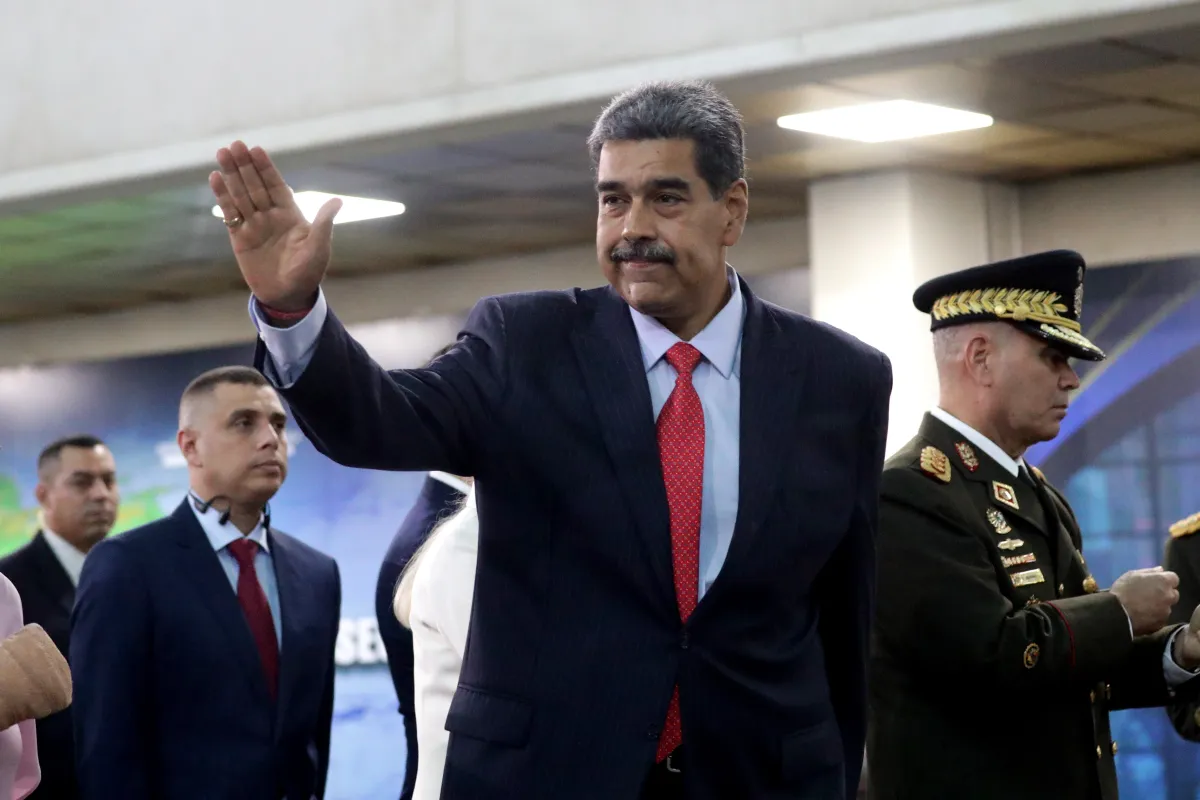
The Colombian government stated on Thursday that it would have no reason to reject a potential asylum request from Venezuelan President Nicolás Maduro should he leave office, as regional tensions persist over the deployment of U.S. military forces in the Caribbean since August.
“In the current climate of tension, negotiations are necessary, and if the United States demands a transition or political change, that is something to be assessed. If such a transition results in him (Maduro) needing to live elsewhere or seek protection, Colombia would have no reason to deny it,” said Colombian Foreign Minister Rosa Villavicencio in an interview with Caracol Radio.
However, Villavicencio noted that it is unlikely Maduro would choose Colombia as a refuge. “I believe he would opt for someplace more distant and calmer,” she added.
Colombian President Gustavo Petro also commented on Venezuela’s situation on Wednesday, arguing that the country needs a “democratic revolution” rather than “inefficient repression.” His remarks followed the recent detention and passport cancellation of Cardinal Baltazar Porras at the Caracas airport.
“The Maduro government must understand that responding to external aggression requires more than military preparations; it requires a democratic revolution. A country is defended with more democracy, not more inefficient repression,” Petro wrote on X (formerly Twitter), in a rare public criticism of the Venezuelan leader.
Petro also called for a general amnesty for political opponents and reiterated his call for forming a broad transitional government to address Venezuela’s prolonged crisis.
Since September, U.S. military forces have destroyed more than 20 vessels allegedly carrying drugs in Caribbean and Pacific waters near Venezuela and Colombia, resulting in over 80 deaths.
U.S. President Donald Trump has repeatedly warned that attacks “inside Venezuela” will begin “soon,” while Maduro has urged Venezuelans to prepare for what he describes as an impending external aggression.

Panama seizes over three tons of drugs hidden in Caribbean port container

U.S. and Mexico Reach Deal to Address Water Deficit Under 1944 Treaty

Several people shot in attack on Brown University campus
Tec de Monterrey honors one of its students for his contribution to nanotechnology in medicine

Defense Minister commends salvadoran soldier for Central American Cross Country victory

Extension of the state of emergency approved in southern Chile
-
 International4 days ago
Washington declares State of Emergency as atmospheric river brings severe flooding
-
 International4 days ago
U.S. to require five-year social media history from tourists under Visa Waiver Program
-
 International3 days ago
Cuba battles out-of-control dengue and chikungunya epidemic as death toll rises to 44
-
 Central America3 days ago
Honduras election crisis deepens as CNE president denounces intimidation attempts
-
Central America4 days ago
OAS and EU urge honduran political actors to respect vote results and avoid unrest
-
 International3 days ago
Colombia says it would not reject Maduro asylum request as regional tensions escalate
-
 International2 days ago
Several people shot in attack on Brown University campus
-
 International3 days ago
Ecuador on track for record violence as homicides hit highest level in Latin America again
-
 International4 days ago
Six ecuadorian soldiers jailed pending trial for alleged extrajudicial execution
-
 International2 days ago
U.S. and Mexico Reach Deal to Address Water Deficit Under 1944 Treaty
-
 Central America11 hours ago
Panama seizes over three tons of drugs hidden in Caribbean port container