
International
Homeland Security Chief Faces Senate Backlash Over Immigration Crackdown
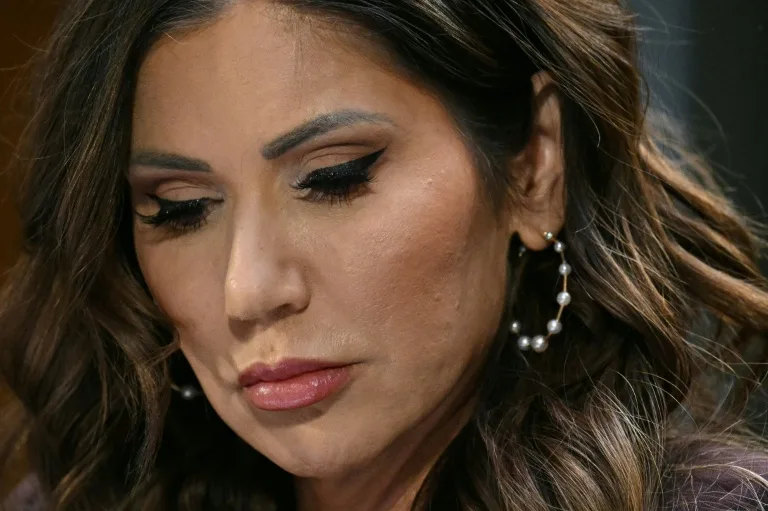
The top U.S. homeland security official faced sharp criticism in Congress over the immigration crackdown carried out under Donald Trump’s administration.
The Republican president had pledged to deport millions of undocumented migrants, a policy overseen by Kristi Noem, Secretary of the Department of Homeland Security (DHS).
During a hearing before the Senate Judiciary Committee, Democratic Senator Dick Durbin accused Noem of leading a DHS “without a moral compass or respect for the rule of law.”
Durbin alleged that federal agents had created “chaos” in several cities by detaining individuals based on “the color of their skin, their accent, and their language.”
The DHS secretary appeared before Congress for the first time since federal agents fatally shot Renee Good and Alex Pretti in January during protests against immigration raids.









Durbin criticized Noem for making what he described as “unfounded accusations of terrorism” against Good and Pretti.
Noem offered condolences to their families, denied labeling them as “terrorists,” and said she had only stated that the incident “appeared to be” of that nature.






International
Le scrutin présidentiel péruvien reste indécis malgré l’avance de Fujimori

Keiko Fujimori conserve la tête du décompte officiel des voix de l’élection présidentielle péruvienne et a légèrement accru son avance sur son rival de gauche, Roberto Sánchez, qui a dénoncé plusieurs irrégularités dans le processus électoral, selon les résultats actualisés publiés mardi.
Avec 99 % des procès-verbaux dépouillés, Fujimori obtenait 50,097 % des suffrages contre 49,903 % pour Sánchez, d’après les données de l’Office national des processus électoraux (ONPE).
Toutefois, le résultat définitif n’a pas encore été proclamé. Les autorités électorales doivent encore examiner plusieurs procès-verbaux contestés représentant environ 256 000 votes, une procédure qui pourrait prendre plusieurs jours. Le second tour de l’élection présidentielle s’est tenu le 7 juin.
L’ONPE a indiqué que le décompte final pourrait être achevé dans un délai allant de deux semaines jusqu’à la fin du mois.
Parallèlement, le parti de Roberto Sánchez, Juntos por el Perú, a dénoncé un manque de transparence de la part des organismes chargés du processus électoral, ainsi qu’un changement des règles électorales et diverses irrégularités. La formation politique n’a toutefois pas fourni de détails précis sur ces accusations.
Cette position marque un changement par rapport à celle adoptée une semaine plus tôt, lorsque Sánchez était en tête du décompte et que son camp avait annoncé qu’il respecterait le verdict des urnes quel qu’en soit le résultat.
Juntos por el Perú a par ailleurs convoqué une manifestation à Lima pour vendredi afin de défendre ce qu’il considère comme l’intégrité du vote populaire.
De son côté, Luis Galarreta, candidat à la vice-présidence sur le ticket de Fujimori, a affirmé que le parti Fuerza Popular attendrait la publication du décompte complet avant de revendiquer la victoire.
« Nous allons attendre la fin du processus avant de nous prononcer sur l’issue de l’élection », a déclaré Galarreta à la radio RPP.
La mission d’observation électorale de l’Union européenne a indiqué que le second tour s’était déroulé dans un climat « calme et ordonné », malgré une campagne marquée par une forte polarisation politique.
Le scrutin a opposé Keiko Fujimori, fille de l’ancien président Alberto Fujimori (1990-2000), à Roberto Sánchez, considéré comme l’héritier politique de l’ex-président Pedro Castillo, actuellement emprisonné après sa tentative avortée d’autocoup d’État en 2022.
Il s’agit de la quatrième candidature présidentielle de Fujimori, tandis que Sánchez participait pour la première fois à une élection présidentielle.
Le vainqueur succédera au président par intérim José María Balcázar le 28 juillet prochain pour un mandat de cinq ans.
International
Du relatif anonymat à la célébrité : le gardien cap-verdien Vozinha conquiert les réseaux sociaux
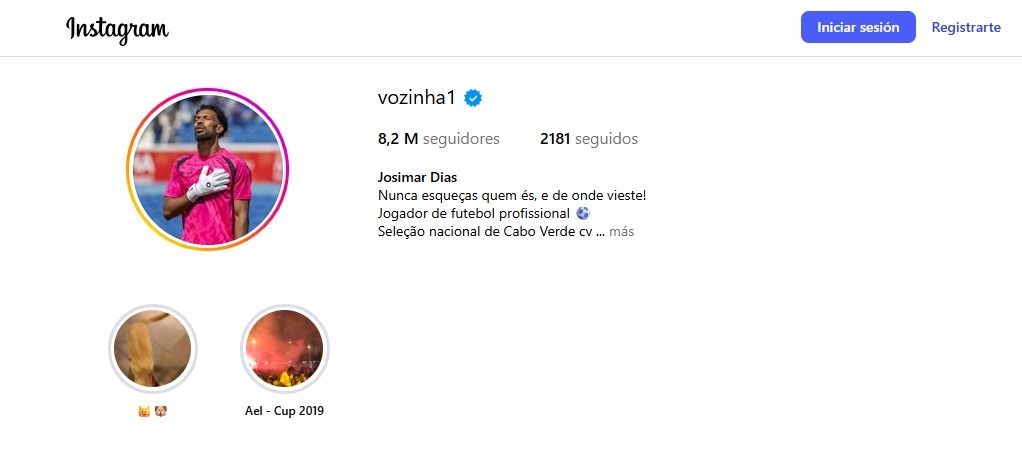
Le gardien cap-verdien Josimar Dias, plus connu sous le nom de Vozinha, est passé du statut de joueur relativement discret sur la scène internationale à celui de véritable phénomène mondial grâce à son impressionnante performance face à l’Espagne lors de la Coupe du monde 2026.
Avant cette rencontre, le portier comptait un peu plus de 50 000 abonnés sur Instagram. Cependant, sa prestation exceptionnelle contre la sélection espagnole a déclenché un engouement spectaculaire sur les réseaux sociaux, lui permettant de gagner des millions de nouveaux abonnés en seulement quelques heures.
Cette ascension fulgurante lui a même permis de dépasser le Néo-Zélandais Tim Payne, qui était jusqu’alors considéré comme l’un des joueurs les plus populaires et viraux du tournoi.
À ce jour, Vozinha totalise déjà 8,2 millions d’abonnés sur Instagram, un chiffre qui continue de progresser à mesure que sa performance fait le tour des médias et des plateformes numériques à travers le monde.
La résistance et les arrêts décisifs du vétéran africain ont également été salués par la FIFA, qui l’a désigné meilleur joueur du match lors de la première apparition du Cap-Vert dans cette Coupe du monde.
Pour sa 89e sélection avec l’équipe nationale cap-verdienne, Vozinha a signé l’une des prestations les plus marquantes de sa carrière, devenant l’un des grands protagonistes du début du tournoi et un symbole de la combativité de son équipe sur la scène mondiale.
International
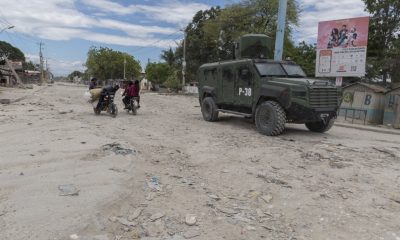
Haïti : plus de 2.300 morts liés à la violence des gangs depuis le début de l’année
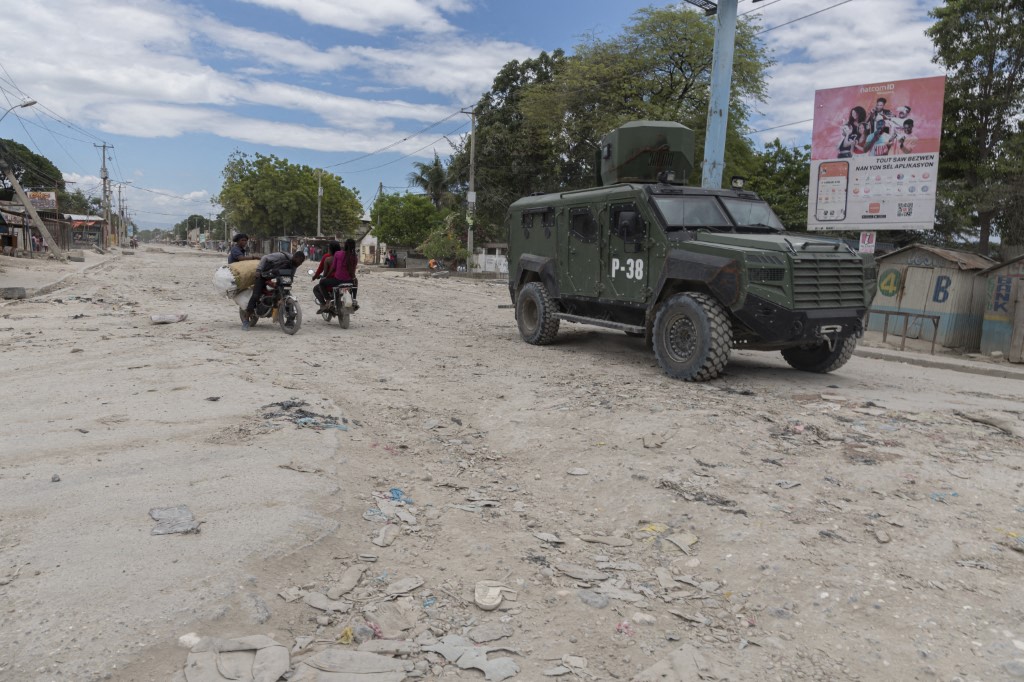
Le Haut-Commissariat des Nations unies aux droits de l’homme a alerté ce lundi sur l’ampleur de la violence des gangs en Haïti, qui a causé au moins 2.300 morts depuis le début de l’année, dans un contexte de grave dégradation sécuritaire dans le pays.
S’exprimant devant le Conseil des droits de l’homme à Genève, le Haut-Commissaire Volker Türk a indiqué que cette violence avait également fait 1.100 blessés et conduit à 99 enlèvements sur la même période.
Haïti, considéré comme le pays le plus pauvre du continent américain, est confronté depuis plusieurs années à une insécurité chronique alimentée par des gangs armés, responsables d’homicides, de viols, de pillages et de kidnappings.
Face à cette situation, Volker Türk a appelé les autorités haïtiennes à agir rapidement afin de mettre en place des structures judiciaires capables de lutter contre l’impunité et de restaurer l’État de droit.
Il a également exhorté à poursuivre le déploiement de la Force de répression des gangs (FRG), une mission multinationale autorisée par le Conseil de sécurité des Nations unies.
En septembre, le Conseil de sécurité avait décidé de remplacer la Mission multinationale d’appui à la sécurité (MMAS) par cette nouvelle force, qui pourra compter jusqu’à 5.500 membres, composés de policiers et de militaires internationaux.
La communauté internationale reste mobilisée face à une crise humanitaire et sécuritaire qui continue de s’aggraver dans le pays caribéen, où les groupes criminels étendent leur contrôle sur de larges portions du territoire.

Le scrutin présidentiel péruvien reste indécis malgré l’avance de Fujimori

Du relatif anonymat à la célébrité : le gardien cap-verdien Vozinha conquiert les réseaux sociaux

Haïti : plus de 2.300 morts liés à la violence des gangs depuis le début de l’année
Tests de dépistage du covid-19 seront réalisés sur Nicaraguayens bloqués à Peñas Blancas
Services des migrations au Nicaragua demandent désormais paiement en dollars

En 2021, les Etats-Unis ont enregistré un record plus de 107.000 décès par overdose
-
 International5 jours ago
Macabre découverte à Tijuana : un cadavre retrouvé à proximité du stade utilisé par l’Iran
-
 International1 jour ago
Du relatif anonymat à la célébrité : le gardien cap-verdien Vozinha conquiert les réseaux sociaux
-
 International1 jour ago
Le scrutin présidentiel péruvien reste indécis malgré l’avance de Fujimori
-

 International2 jours ago
Une docteure soupçonnée d’expériences sur des fœtus placée en détention provisoire
-
 International2 jours ago
Haïti : plus de 2.300 morts liés à la violence des gangs depuis le début de l’année