
International
The Government of Milei temporarily suspends websites and social networks of public media
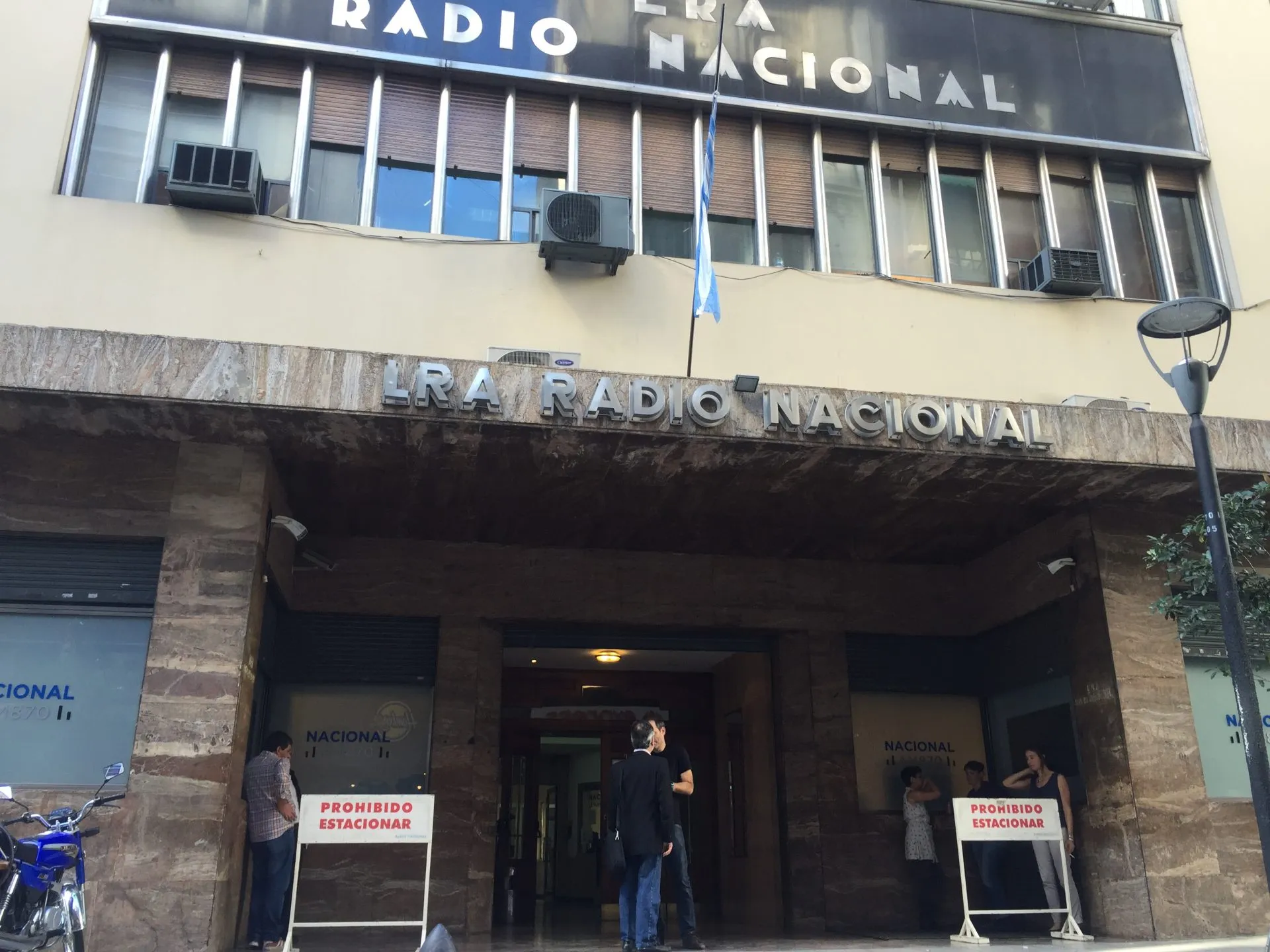
The Government of Javier Milei suspended, from this Tuesday and temporarily, the websites and social media publications of Argentina’s public media, official sources reported.
According to a statement from the public media controller appointed by the Executive, Diego Martín Chaher, « only the Manager of Digital and Institutional Media » will be in charge of the management of the networks of Public Television and National Radio, « within the framework of the process of reorganization and restructuring » of the media and to « unify the distribution criteria. »
The measure began at 00.00 hours (03.00 GMT) on Tuesday and affected the portal and the networks of Public Television, National Radio, the classical, Rock or Folk music channels and the thematic channels Encuentro (cultural) and Paka Paka (children’s).
« All types of transmission and/or broadcasting of content on social networks are suspended until the changes in criteria are established, » the communication added.
The message that appears on the websites described looks the same as that published last March on the page of Télam, the state news agency then closed by the Government, because, according to the Executive, it was used « in recent decades as a Kirchnerist propaganda agency. »









As Agustín Lecchi, secretary of the Press Union of Buenos Aires (SiPreBA), explained to EFE, this deepens the « emptying » of the public media, a process that began with the measures taken by the Executive on Télam.
« They are not interested in restructuring, they are not interested in the financial situation of each of those means and that some were profitable and had a good economic situation. The only thing that interests them is to destroy, they attack their social role and that’s why they attacked the co-responsibilities of Télam and the stations of Radio Nacional, and now they attack their power to reach through social networks, » he said.
The worker of Public Television considered that it is a « more escalation in destruction, » while the ‘base law’, the star project of the Executive, is in Senate committees waiting for its discussion in the Upper House after the half sanction in Deputies and that, if approved, contemplates the privatization of public media.
« Indirectly it impacts all workers because it affects expression on social networks, » added Lecchi, who said that communication with the authorities is « inconducting and useless » and reported that the union is preparing actions before Justice against these decisions.
On February 5, the Government of Milei published in the Official Gazette the intervention for one year – extendable – of the state media within its policy of « reorganization of public companies. »
The Educ.ar portal, National Radio, Public Television, the Télam news agency and the segmented Public Content signals (Encuentro, Paka Paka, Depor TV, ACUA Mayor and ACUA Federal) were part of this list.






International
L’Allemagne bat un nouveau record de chaleur avec 41,7 °C
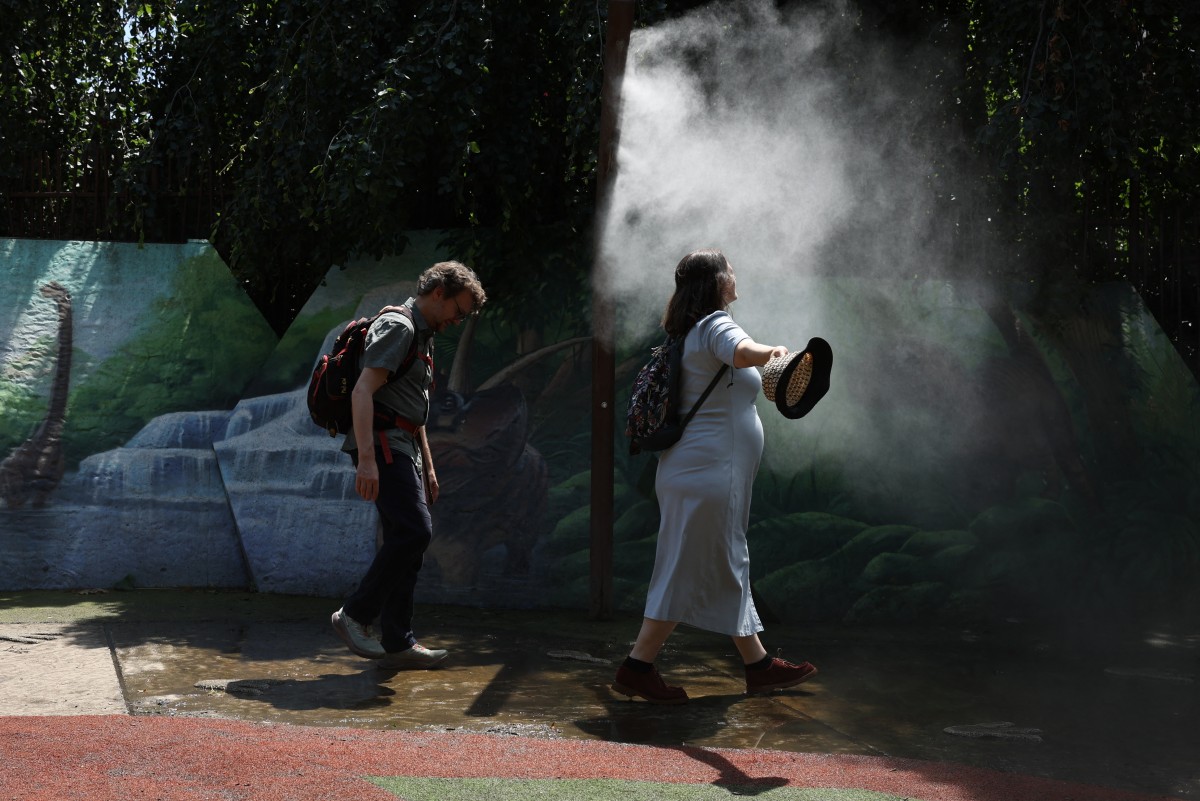
L’Allemagne a battu un nouveau record historique de température pour le troisième jour consécutif. Ce dimanche après-midi, le thermomètre a atteint 41,7 °C, selon l’Agence de presse allemande (dpa), qui cite le Service météorologique allemand (DWD).
Cette température a été enregistrée à Neißemünde, une commune située dans le Land de Brandebourg, dans l’est de l’Allemagne.
Ce nouveau record intervient après deux journées déjà marquées par des températures inédites à l’échelle nationale.
Vendredi, le DWD avait relevé 41,3 °C à Sarrebruck, dans l’ouest du pays, dépassant alors le précédent record national.
Samedi, le mercure est monté à 41,5 °C à Möckern-Drewitz, dans l’est de l’Allemagne, établissant un nouveau record qui n’aura tenu qu’une journée avant d’être de nouveau dépassé dimanche.
International
L’ONU alerte sur l’impact des séismes au Venezuela : près de 7 millions de personnes menacées
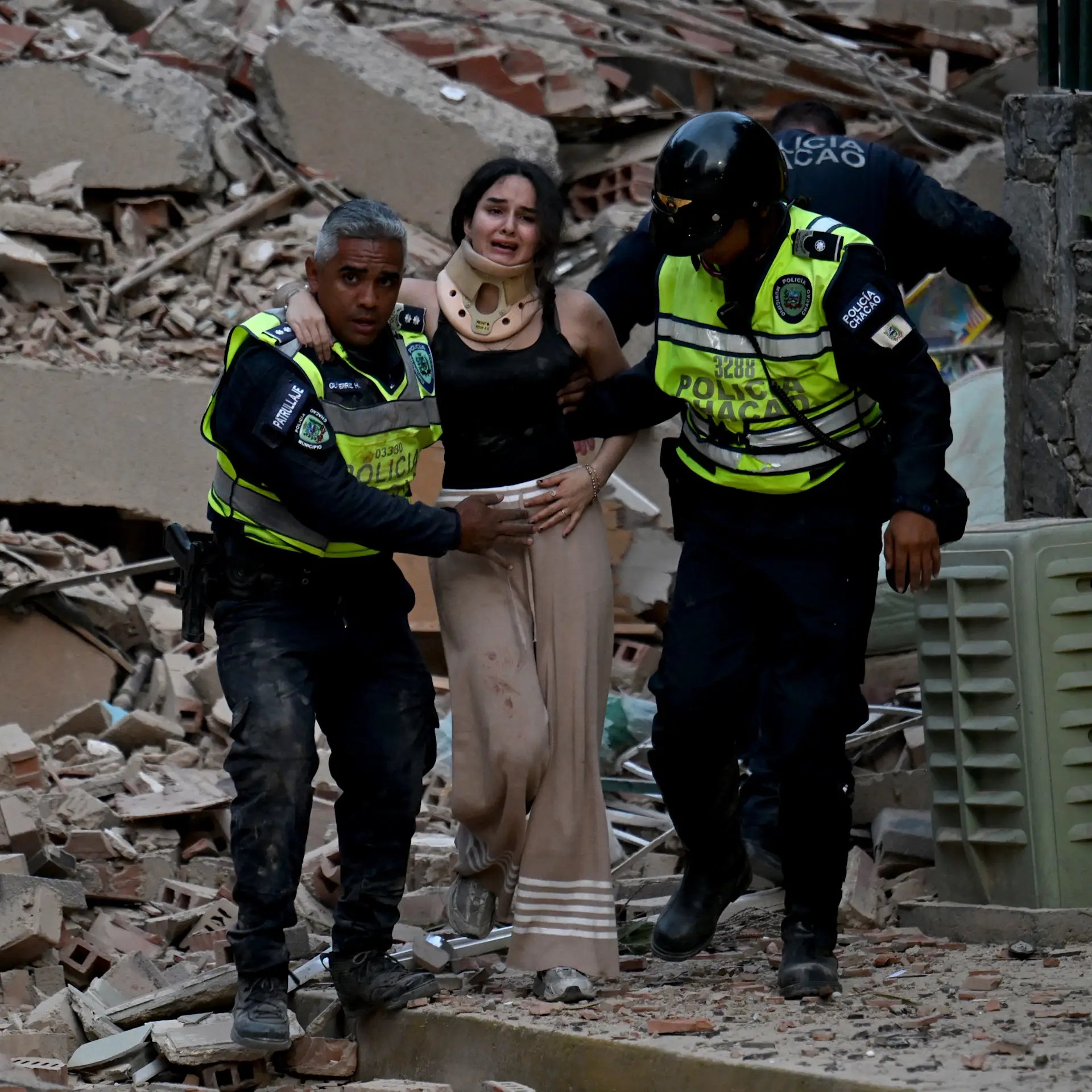
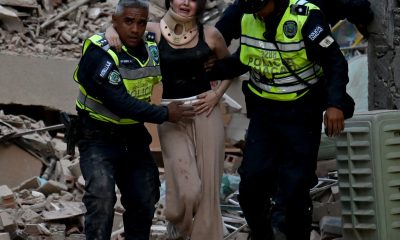
Près de sept millions de personnes pourraient être touchées par les puissants séismes qui ont frappé le Venezuela, a averti samedi l’Organisation des Nations unies (ONU), alors que le bilan dépasse désormais 1 400 morts et que plus de 50 000 personnes restent portées disparues.
Alors que le nombre officiel de victimes continue d’augmenter, l’ONU a indiqué que les dégâts matériels sont considérables. Les premières estimations évaluent les pertes à environ 6,7 milliards de dollars, soit près de 6 % du produit intérieur brut du pays pétrolier.
Sur le terrain, chaque minute compte près de 72 heures après les deux séismes qui ont frappé le pays mercredi, à moins d’une minute d’intervalle. Avec des magnitudes de 7,2 et 7,5, ces secousses sont considérées comme les plus importantes enregistrées au Venezuela depuis 126 ans et ont provoqué d’importantes destructions, notamment dans les zones côtières.
Les équipes de secours poursuivent leurs opérations de recherche, mais les chances de retrouver des survivants diminuent fortement après les premières 72 heures suivant une catastrophe de cette ampleur.
À La Guaira, la ville la plus touchée située à environ 40 kilomètres de Caracas, des habitants continuent de fouiller les décombres à la recherche de leurs proches disparus. Marlon Ochoa, survivant de l’effondrement d’un immeuble, affirme être toujours à la recherche de sa mère, de son épouse et de son fils, disparus après l’effondrement du bâtiment.
« Je ne vois toujours pas les autorités prendre en charge la situation dans cette zone », a déclaré Ochoa à l’AFP, faisant part de son désespoir face à la lenteur des opérations.
Il a également dénoncé le manque d’équipements nécessaires pour accélérer les recherches.
« On m’a dit qu’ils étaient en train de délibérer. Délibérer sur quoi ? Si personne n’arrive aujourd’hui, nous allons nous révolter, car nous avons besoin de machines, de générateurs, de perceuses, de tout », a-t-il déclaré.
« Nous sommes en colère. Nous avons besoin d’aide. Il y a des personnes vivantes sous les décombres et nous n’avons ni les moyens ni les outils pour les atteindre », a-t-il ajouté.
Pendant ce temps, l’aide internationale, notamment l’assistance américaine, commence à arriver au Venezuela alors que les équipes de secours poursuivent leurs efforts dans les zones les plus touchées.
International
Washington déploie des équipes spécialisées après les séismes meurtriers au Venezuela
Les forces armées des États-Unis ont commencé à mobiliser des ressources pour soutenir les opérations de secours et de reconstruction au Venezuela à la suite des deux puissants séismes qui ont frappé le pays mercredi, a annoncé jeudi le Commandement Sud des États-Unis (Southcom).
Dans un communiqué, l’organisme militaire basé en Floride a indiqué agir sur instruction du Département de la Guerre et en coordination avec le Département d’État afin d’appuyer les opérations humanitaires menées sur le territoire vénézuélien après les tremblements de terre de magnitude 7,2 et 7,5.
« Nos forces conjointes se mobilisent rapidement pour mettre à disposition les capacités inégalées de transport aérien, de logistique et de sauvetage des forces armées américaines afin de sauver des vies et de soutenir le gouvernement du Venezuela pendant cette crise », a déclaré le Commandement Sud.
Dans le cadre de cette opération, les États-Unis ont constitué une équipe de planification composée de spécialistes du Bureau d’assistance humanitaire. Cette équipe aura pour mission de conseiller les autorités responsables de la coordination des secours et de la distribution de l’aide aux populations sinistrées.
Le Commandement Sud a également indiqué maintenir une étroite coordination avec plusieurs gouvernements alliés et partenaires de la région qui ont exprimé leur volonté de participer à l’effort international destiné à venir en aide aux victimes de la catastrophe.
Quelques heures plus tôt, le secrétaire d’État américain, Marco Rubio, avait confirmé s’être entretenu avec la présidente par intérim du Venezuela, Delcy Rodríguez. Il a également annoncé le déploiement d’équipes spécialisées de recherche et de sauvetage provenant du comté de Fairfax, en Virginie, ainsi que de la ville de Los Angeles, afin de renforcer les opérations dans les zones les plus touchées.
Selon le dernier bilan officiel communiqué par le gouvernement vénézuélien, les deux séismes ont fait au moins 164 morts et 971 blessés. Les secousses, survenues à seulement 39 secondes d’intervalle, sont considérées comme les plus puissantes enregistrées dans le pays depuis plus d’un siècle.
Mercredi, le président américain Donald Trump a ordonné à l’ensemble des agences fédérales de son administration d’agir « rapidement » pour apporter une assistance au Venezuela face à ce qu’il a qualifié de « nombre dévastateur de victimes ».
Cette mobilisation intervient dans un contexte de rapprochement progressif entre Washington et Caracas à la suite de la capture de Nicolás Maduro, alors que la communauté internationale intensifie ses efforts pour répondre à l’urgence humanitaire provoquée par la catastrophe.

L’Allemagne bat un nouveau record de chaleur avec 41,7 °C

L’ONU alerte sur l’impact des séismes au Venezuela : près de 7 millions de personnes menacées
Washington déploie des équipes spécialisées après les séismes meurtriers au Venezuela
Tests de dépistage du covid-19 seront réalisés sur Nicaraguayens bloqués à Peñas Blancas
Services des migrations au Nicaragua demandent désormais paiement en dollars

En 2021, les Etats-Unis ont enregistré un record plus de 107.000 décès par overdose
-

 Sin categoría4 jours ago
Panama et la Colombie veulent renforcer leur alliance contre le narcotrafic et pour les investissements
-
 International22 heures ago
L’Allemagne bat un nouveau record de chaleur avec 41,7 °C
-
 International4 jours ago
Washington déploie des équipes spécialisées après les séismes meurtriers au Venezuela
-
International2 jours ago
L’ONU alerte sur l’impact des séismes au Venezuela : près de 7 millions de personnes menacées
-
 International4 jours ago
La Cour suprême valide une mesure limitant l’accès à l’asile à la frontière sud des États-Unis